dfw demolition services
Demolition is often the first major step in transforming an outdated, damaged, or unwanted structure into something new. Across the Dallas-Fort Worth area, homeowners and contractors may need demolition for residential buildings, detached garages, sheds, commercial properties, concrete structures, or partial interior renovations. Professional dfw demolition services provide the equipment, planning, labor, and safety practices needed to complete this work in a controlled manner. Understanding what the process involves can help property owners prepare their sites, establish realistic expectations, and avoid unnecessary complications. A successful demolition project begins well before the first wall or structure is removed.
What DFW Demolition Services Typically Include
Demolition services can cover several types of projects depending on the property and the client’s objectives. Complete structural demolition involves removing an entire building, while selective demolition focuses on specific portions of a structure that need to be replaced or renovated. Contractors may also handle detached garages, sheds, barns, concrete slabs, driveways, pools, walls, and other site improvements. The appropriate approach depends on the structure’s construction, location, condition, and intended replacement. Before work begins, a professional contractor should evaluate the site and clearly define which areas will be removed and which must remain intact.
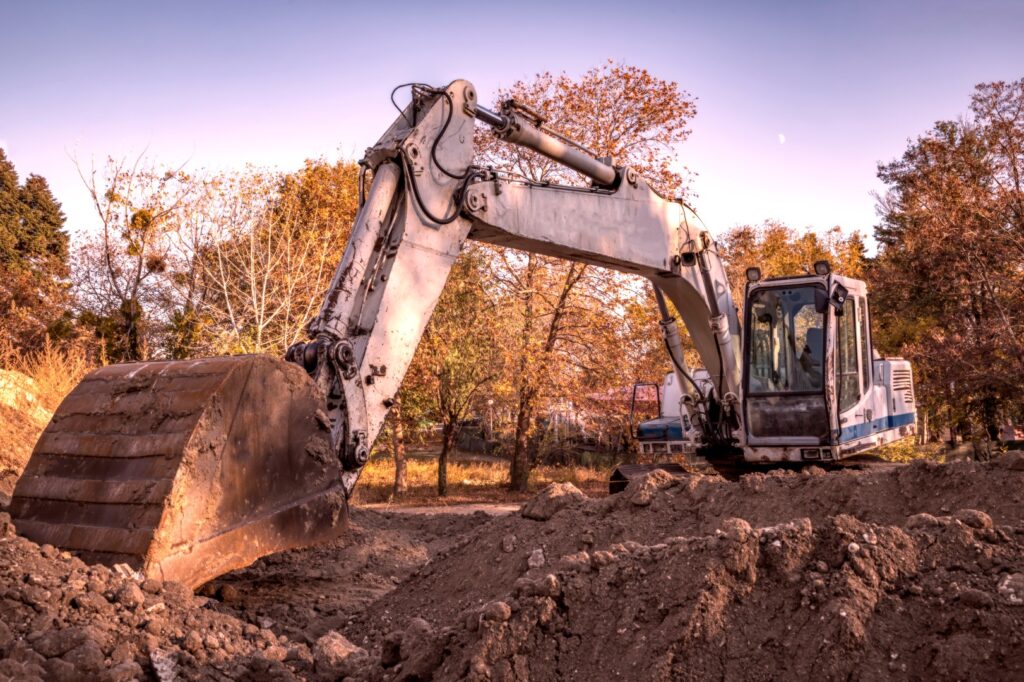
Demolition is more than simply bringing a structure down. Contractors must plan how equipment will access the property, where debris will be placed, and how nearby buildings, landscaping, utilities, and other features will be protected. The site may require preparation before demolition equipment can operate safely. Depending on the project, crews may use excavators, loaders, skid steers, specialized attachments, and hauling equipment to dismantle and remove materials. A detailed scope of work helps homeowners and contractors understand what is included, from structural removal through final cleanup.
Why Professional Demolition Planning Matters
Proper planning is one of the most important parts of a demolition project. Before work starts, contractors need to understand the structure, surrounding property, access conditions, utility locations, and potential hazards. Older buildings can present additional challenges because construction methods and materials may differ from those used in newer structures. A professional assessment allows the contractor to determine which equipment and demolition techniques are appropriate. It also provides an opportunity to identify concerns that could affect scheduling, cost, disposal, or site preparation.
Homeowners should provide contractors with as much relevant property information as possible before demolition begins. If the structure is connected to utilities or shares walls, access points, driveways, or other features with neighboring properties, these details can affect the work plan. Contractors should also explain what happens to the materials after removal and whether hauling and disposal are included in the estimate. Clear communication at this stage can prevent unexpected issues later. A carefully prepared demolition plan creates a more organized process and gives everyone involved a better understanding of the project’s expectations.
Safety and Property Protection During Demolition
Demolition involves heavy machinery, falling materials, unstable structures, dust, debris, and other hazards, making professional safety practices essential. Experienced crews establish controlled work areas and use appropriate equipment for the structure being removed. They also consider nearby homes, vehicles, fences, landscaping, utility connections, and other property features that need protection. Safe demolition requires more than having powerful machinery; operators need to understand how materials behave as structures are dismantled. Professional planning helps reduce unnecessary risks and keeps the project focused on controlled removal.
Property protection is particularly important in residential neighborhoods and developed areas where structures may be close together. Contractors must consider equipment access and the direction in which materials will be removed or handled. Dust and debris management can also matter when demolition takes place near occupied buildings or neighboring properties. Homeowners should ask how the contractor plans to protect surrounding areas and maintain a safe working environment. A company that takes time to explain its safety and protection procedures demonstrates a more responsible approach to demolition.
Debris Removal and Site Cleanup
Once a structure has been demolished, the project is not necessarily complete. Construction materials, concrete, wood, metal, roofing materials, insulation, and other debris may remain across the site. Professional contractors can organize the removal and hauling of these materials according to the project’s requirements. Some materials may be separated for recycling or appropriate disposal, while others may need to be transported away from the property. Homeowners should confirm whether debris removal is part of the quoted demolition service rather than assuming the site will automatically be cleared.
Final cleanup is especially important when the property will immediately move into another phase of development. A builder may need access to the site for excavation, foundation work, utilities, landscaping, or new construction. Remaining concrete, buried debris, or unstable material can interfere with these activities and create additional work. A thorough cleanup provides a better starting point for whatever comes next. Contractors should explain whether their service includes rough cleanup, complete debris removal, grading, or other forms of site preparation.
Connecting Demolition With Land Clearing and Site Preparation
Demolition frequently overlaps with land preparation when a property contains both unwanted structures and overgrown vegetation. For example, a rural property may have an abandoned structure surrounded by trees, brush, fallen limbs, and stumps. In such cases, demolition alone may leave the property difficult to access or prepare for its next use. Coordinating dfw demolition services with land clearing can create a more efficient transition from an existing property to a usable site. This approach is particularly useful when the owner plans to build, improve access, or redevelop the land after removing old structures.
Property owners in Wise County may also need land clearing services wise county tx when demolition is part of a larger rural or residential project. Clearing can remove unwanted brush, trees, stumps, and other obstacles surrounding the demolished structure. Once these obstacles are addressed, grading and other site work may become easier to complete. The key is to coordinate the sequence of work so that demolition, clearing, hauling, and future construction do not interfere with one another. A contractor who understands the broader project can help establish a practical order for completing these stages.
Choosing the Right DFW Demolition Contractor
Choosing a demolition contractor should involve more than comparing the lowest available price. Homeowners and contractors should consider experience, equipment, insurance, communication, project scope, debris handling, and the company’s ability to manage the specific type of structure involved. Ask whether the estimate includes dismantling, loading, hauling, disposal, cleanup, and any required site preparation. It is also useful to ask how the contractor handles unexpected conditions discovered after work begins. A transparent contractor should explain the process clearly instead of leaving important details unclear.
Local experience can be particularly valuable for projects throughout the Dallas-Fort Worth region. Contractors who regularly work in the area may be familiar with the challenges of residential lots, commercial properties, rural acreage, restricted access, and structures located close to other improvements. Homeowners should also verify that the contractor understands the property’s intended future use. If the site will immediately transition into construction or land development, demolition planning should support that next stage. Good communication between the property owner, demolition contractor, and future construction team can make the overall project more efficient.
Preparing for a Successful Demolition Project
Homeowners and contractors can make demolition easier by preparing the property and discussing expectations before work begins. The project scope should identify exactly what is being removed, what remains, how debris will be handled, and what condition the site should be left in afterward. Access routes should be considered, and important features that must remain should be identified before equipment arrives. If the project also involves clearing, excavation, grading, or new construction, those future requirements should be communicated early. Planning the entire sequence can help avoid unnecessary delays and repeated work.
Professional dfw demolition services can provide an efficient solution when a property contains structures that are no longer useful, safe, or suitable for future plans. From initial assessment and controlled removal to debris hauling and site cleanup, every stage contributes to the quality of the finished site. When demolition is combined with land clearing services wise county tx or other site preparation, coordination becomes even more important. By selecting an experienced contractor, defining the project scope clearly, and planning for what happens after demolition, homeowners and contractors can approach the process with greater confidence. A well-managed demolition project ultimately creates a cleaner starting point for renovation, construction, redevelopment, or a completely new use of the property.