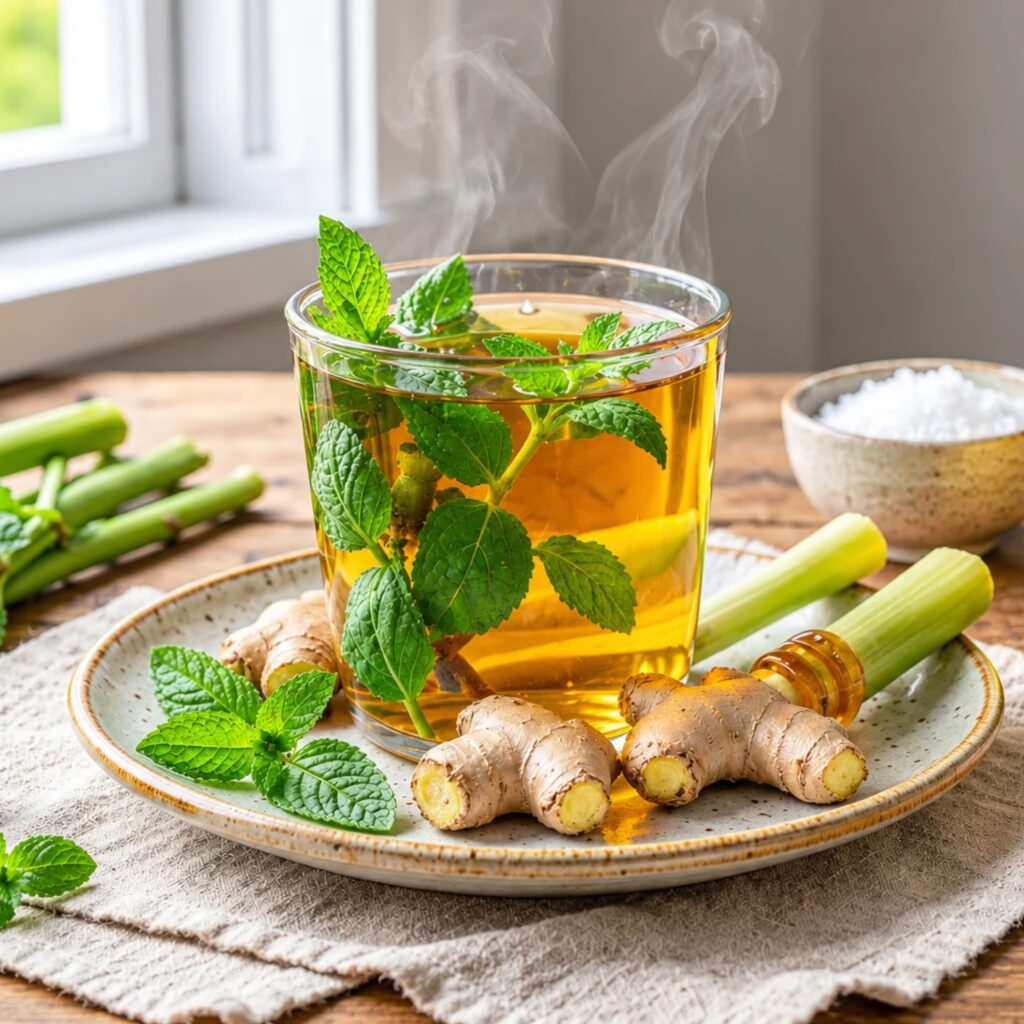
Herbal teas are widely enjoyed as comforting beverages prepared from flowers, leaves, roots, seeds, and spices. They have a long history in different cultures and are valued for their diverse flavours, natural aromas, and simple preparation methods. From a warm cup of ginger tea in the morning to a refreshing hibiscus drink during summer, herbal infusions offer plenty of choices for everyday enjoyment. They can also introduce people to different plant ingredients used in traditional practices. To discover more about herbs and plant-based wellness products, visit Arkveda Herbals.
What Are Herbal Teas?
Herbal tea is a beverage made by extracting flavour and aroma from suitable plant materials using hot water. The term also includes infusions prepared from dried flowers, spices, seeds, and roots. Unlike black and green tea, which come from the Camellia sinensis plant, most herbal teas use other botanical ingredients.
The flavour of an herbal tea depends on the plants used, the quantity added, and the brewing time. Some varieties taste light and floral, while others have a spicy, earthy, sweet, or tangy character. Herbal teas may contain one ingredient or a carefully selected combination of several ingredients.
Many pure herbal infusions are naturally caffeine-free. However, packaged blends may contain black tea, green tea, or other caffeine-containing ingredients. Checking the label helps you understand the composition of a beverage before making it part of your daily routine.
Common Ingredients Used in Herbal Teas
Different herbs and spices can create distinctive beverages. The following ingredients are commonly used in homemade herbal infusions.
- Ginger
Ginger is a familiar ingredient in Indian kitchens and traditional beverage preparation. It has a warm, spicy flavour that works well in hot drinks. To prepare ginger tea, fresh ginger slices or dried ginger pieces can be simmered in water for several minutes. Lemon may be added for a slightly tangy taste. The quantity of ginger can be adjusted according to personal preference.
- Peppermint
Peppermint leaves are known for their refreshing aroma and cooling taste. Both fresh and dried leaves can be used to prepare a simple infusion. Peppermint tea can be enjoyed on its own or combined with other herbs for additional flavour. However, people who experience acid reflux should be aware that peppermint may worsen their symptoms.
- Chamomile
Chamomile tea is prepared using dried chamomile flowers. It has a mild floral aroma and a delicate taste that many people enjoy in the evening. Because a pure chamomile infusion is naturally caffeine-free, it can be an alternative to regular caffeinated tea. People who are allergic to daisies or related plants should use caution, as chamomile may cause allergic reactions.
- Hibiscus
Hibiscus tea stands out because of its deep red colour and naturally tart flavour. The dried flowers are steeped in hot water to produce a colourful drink that can be served warm or chilled. Mint or lemon can be added to create a different flavour profile. Hibiscus may influence blood pressure, so individuals taking blood pressure medication should consult a healthcare professional before drinking it regularly.
- Fennel
Fennel seeds have a slightly sweet flavour with an aromatic, licorice-like note. They are commonly used in Indian cooking and can also be prepared as a herbal infusion. Lightly crushing the seeds before adding them to hot water may help release their aroma. Fennel can be combined with ginger or other spices to create a more complex beverage.
How to Prepare Herbal Tea at Home
Making herbal tea is a straightforward process that requires only a cup, hot water, and suitable plant ingredients. The exact method depends on the type of herbs being used.
Follow these basic steps:
- Choose your ingredients: Select fresh or dried herbs intended for consumption. Wash fresh ingredients thoroughly before use.
- Heat the water: Heat approximately one cup of water. Delicate flowers and leaves can generally be steeped in hot water.
- Measure the herbs: Start with about one teaspoon of dried herbs or one tablespoon of fresh herbs per cup, unless the product instructions recommend a different quantity.
- Steep the mixture: Add the ingredients to the hot water, cover the cup, and allow them to steep for approximately five to ten minutes.
- Strain and serve: Remove the plant materials and pour the infusion into a clean cup. Lemon or a small amount of honey can be added if desired.
Harder ingredients, such as ginger roots and cinnamon sticks, may require gentle simmering to develop their flavour. Adjusting the quantity and brewing time can help you find the taste you prefer.
Everyday Uses of Herbal Teas
Herbal teas can fit into different parts of the day depending on individual preferences. Ginger tea may be enjoyed as a warm morning beverage, peppermint tea can provide a refreshing break during the afternoon, and chamomile is often included in an evening routine. Hibiscus tea can also be prepared in advance, cooled, and served as a chilled drink.
Unsweetened herbal tea offers an alternative to beverages with added sugar. It can provide flavour without the need for sweeteners, although individual ingredients may have their own natural taste characteristics. Those who prefer a sweeter beverage can add a small amount of honey while keeping overall sugar intake in mind.
Combining herbs also makes it possible to explore new flavours. Ginger and lemon create a bright, spicy drink, while peppermint and fennel provide a refreshing aroma. Herbal tea can contribute to fluid intake, but it should complement plain water and a balanced diet rather than replace them.
Choosing and Storing Herbal Tea Ingredients
When purchasing herbal tea, read the ingredient list carefully and check the preparation and storage instructions. Select products intended for food or beverage use from reliable suppliers. Avoid unidentified plants collected outdoors, as some may be toxic or contaminated.
Store dried herbs in airtight containers in a cool, dry place away from sunlight and moisture. Fresh ingredients should be cleaned properly and used while they are fresh. Appropriate storage helps maintain their quality, flavour, and aroma.
Natural ingredients can still cause side effects, allergies, or interactions with medicines. Pregnant or breastfeeding individuals, people with existing medical conditions, and those taking medication should seek advice from a qualified healthcare professional before using unfamiliar herbs regularly. Herbal teas should not replace prescribed medicines or professional medical care.
Conclusion
Herbal teas offer a versatile way to enjoy the flavours and aromas of different plants through a simple daily beverage. Ingredients such as ginger, peppermint, chamomile, hibiscus, and fennel can be prepared individually or blended according to personal taste. By selecting appropriate ingredients, following proper brewing methods, and paying attention to storage and safety, people can make informed choices when enjoying herbal infusions. To explore more information about herbs and traditional wellness products, visit the Arkveda Herbals Products page.