prp for joint pain
Persistent joint pain alters daily routines, restricting mobility during simple activities like walking downstairs, kneeling, or enjoying weekend recreation. For individuals living with chronic joint discomfort or tendon degeneration, traditional management options have historically been divided into two ends of a spectrum: temporary non-surgical relief (such as oral anti-inflammatories and corticosteroid injections) or major surgical procedures like total joint replacement.
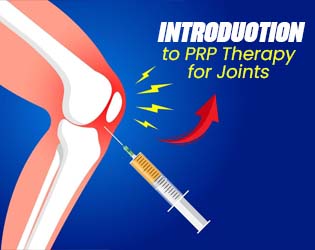
Platelet-rich plasma (PRP) therapy has emerged as a widely utilized autologous biological treatment bridging this gap. By concentrating the body’s natural signaling proteins and growth factors contained within blood platelets, PRP therapy supports local tissue repair mechanisms and helps modulate inflammatory pathways inside damaged joints and tendons. Understanding how the treatment works, who makes an ideal candidate, and what to expect during recovery helps patients make well-informed healthcare decisions.
The Biological Science Behind PRP Therapy
Platelets are small, disc-shaped cell fragments in whole blood best known for their role in blood clotting. However, platelets also house dense storage granules (alpha-granules) packed with bioactive proteins, including platelet-derived growth factor (PDGF), transforming growth factor-beta (TGF-β), and vascular endothelial growth factor (VEGF).
When concentrated and reinjected into damaged musculoskeletal tissue, these growth factors perform several critical restorative functions:
- Modulating Intra-Articular Inflammation: PRP helps shift the local biological environment from a pro-inflammatory state toward tissue repair, downregulating inflammatory cytokines like interleukin-1 beta (IL-1β).
- Stimulating Collagen Synthesis: Growth factors encourage tenocytes and chondrocytes to produce new extracellular matrix components, aiding tendon and cartilage stability.
- Enhancing Cellular Recruitment: The concentrated signaling molecules recruit circulating stem cells and fibroblasts to the site of micro-injury.
Common Clinical Indications for PRP Treatment
PRP therapy is applied across various orthopaedic and sports medicine disciplines to address both acute soft-tissue injuries and chronic degenerative conditions.
1. Knee Osteoarthritis
Cartilage wear down inside the knee joint leads to chronic stiffness, swelling, and deep aching pain. Multiple clinical trials demonstrate that intra-articular PRP injections can reduce pain scores and improve physical function in patients with mild-to-moderate knee osteoarthritis, often providing longer-lasting symptomatic relief than standard hyaluronic acid or steroid injections.
2. Tendinopathies and Tendonitis
Tendons have limited blood supply, making chronic tendon degeneration (tendinopathy) notoriously slow to heal. PRP is frequently utilized for:
- Lateral Epicondylitis (Tennis Elbow): Chronic strain of the wrist extensor tendons.
- Patellar Tendinopathy (Jumper’s Knee): Overuse injury of the tendon connecting the kneecap to the shinbone.
- Achilles Tendinopathy: Micro-tears and thickening of the Achilles tendon.
3. Rotator Cuff Strain and Hip Bursitis
Partial-thickness rotator cuff tears and refractory greater trochanteric pain syndrome (hip bursitis) that fail to respond to standard physical therapy often benefit from targeted biological infiltration.
What to Expect During the Procedure and Recovery
PRP therapy is performed as a straightforward, in-clinic outpatient procedure taking roughly 45 to 60 minutes from start to finish.
Step 1: Blood Collection and Preparation
A small volume of venous blood (typically 10 to 30 mL) is drawn from the patient’s arm into sterile tubes. The blood is placed in a specialized medical centrifuge and spun at high speeds for 10 to 15 minutes. This process separates whole blood into distinct layers: red blood cells at the bottom, platelet-poor plasma at the top, and a concentrated “buffy coat” of platelets and white blood cells in the middle.
Step 2: Targeted Infiltration
The practitioner isolates the concentrated platelet layer. To ensure precise delivery into the joint space or tendon sheath, the injection is frequently guided by real-time point-of-care ultrasound imaging.
Step 3: Post-Treatment Protocols and Rehabilitation
Because PRP initiates a mild, temporary inflammatory healing response, post-treatment care differs from standard pain injections:
- Avoid NSAIDs: Anti-inflammatory medications (like ibuprofen or naproxen) should be avoided for 1 to 2 weeks before and after the procedure, as they can inhibit platelet function.
- Manage Initial Soreness: Localized tightness or mild aching at the injection site is normal for 48 to 72 hours. Cold packs and paracetamol are recommended for symptom control.
- Progressive Load Management: Patients are encouraged to rest the treated joint for a few days before gradually reintroducing low-impact movement and prescribed rehabilitation exercises under guidance.
Patients exploring localized care options can consult the clinical framework for PRP therapy at Sayyal Health to understand individual patient assessment protocols and treatment timelines.
Frequently Asked Questions
- How many PRP injections are typically needed?
While some patients experience meaningful relief after a single injection, clinical protocols for chronic conditions like osteoarthritis or recalcitrant tendinopathy often recommend a series of 2 to 3 injections spaced 2 to 4 weeks apart to achieve optimal long-term outcomes.
- Is PRP therapy safe?
Because PRP is autologous (prepared entirely from the patient’s own blood), the risk of allergic reaction, foreign-body rejection, or disease transmission is virtually zero. Standard minor risks associated with any joint injection include localized soreness, temporary swelling, or a small risk of infection at the needle entry site.
- How quickly will I feel relief from joint pain?
PRP does not act as an immediate pain-numbing agent. Relief typically develops gradually over 3 to 6 weeks as tissue signaling and inflammatory modulation progress. Maximum functional improvement is commonly observed around 8 to 12 weeks post-procedure.
- Who is not a suitable candidate for PRP?
Individuals with active systemic infections, severe anemia, low platelet counts (thrombocytopenia), active hematological malignancies, or those taking systemic anticoagulant therapy may not be suitable candidates for PRP treatment. A thorough medical history evaluation determines individual appropriateness.
Summary
PRP therapy represents an evidence-based, biologically driven option for managing joint pain and chronic tendon injuries. By harnessing concentrated growth factors from a patient’s own blood, the treatment offers a natural mechanism to modulate joint inflammation and support functional movement. Paired with targeted physical rehabilitation and healthy lifestyle habits, PRP provides a viable non-surgical pathway for restoring quality of life and maintaining joint longevity.