Construction projects involve thousands of decisions before and during fieldwork. Teams need to determine how a building will be designed, coordinated, sequenced, delivered, and constructed. When these decisions are made separately, problems can appear later in the project.
A digital planning approach can help teams evaluate important conditions before they become physical problems.
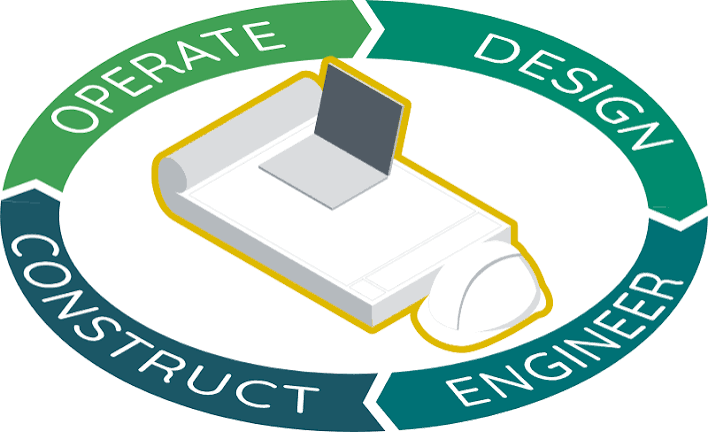
Virtual Design and Construction connects digital project information with construction planning and management. It allows project participants to examine design, sequencing, logistics, coordination, and constructability within a shared digital environment.
The purpose is not to replace traditional construction methods. Instead, digital planning helps teams make better decisions before those decisions affect the jobsite.
Connecting Design With Construction
Design and construction are closely connected, even when different organizations are responsible for each stage.
An architectural decision can affect structural requirements. A structural element can influence mechanical routing. A change in equipment can affect access and installation.
Digital construction planning gives project teams a way to examine these relationships earlier.
Rather than waiting for a conflict to appear during construction, teams can review proposed conditions while there is still time to consider alternatives.
Improving Constructability Reviews
A design may look complete while still creating practical challenges for construction.
A component may fit within the building but lack sufficient installation space. Equipment may require an access route that has not been considered. Several trades may need to work in the same location at the same time.
Constructability reviews help identify these concerns.
A digital environment can provide a visual reference for discussing how proposed designs will actually be built.
Construction professionals can contribute field knowledge while designers evaluate the technical implications of potential changes.
Planning Construction Sequences
Construction happens in a particular order.
Some components must be installed before others. Certain areas need to remain accessible until specific work is completed. Temporary conditions may also affect how materials and equipment move through a project.
Digital planning can help teams visualize these relationships.
By connecting building components with planned activities, teams can discuss which work needs to happen first and where potential sequencing conflicts may occur.
This can make complex construction plans easier to understand.
Coordinating Multiple Trades
Several trades often work within the same limited space.
Mechanical ducts, pipes, electrical systems, structural components, ceilings, finishes, and other elements need to coexist.
BIM Coordination can support the review of these relationships before installation.
The process can identify physical conflicts as well as access, clearance, and constructability concerns.
Early coordination gives teams more opportunity to resolve issues without disrupting field operations.
Supporting Site Logistics
Construction sites have limited space.
Materials need to be delivered, stored, moved, and installed. Equipment requires operating areas, while workers need safe access to different parts of the site.
On urban or constrained projects, logistics can become particularly challenging.
Digital planning can help teams visualize how site space may be used during different phases.
Teams can review potential material routes, staging areas, access requirements, and temporary conditions before finalizing their approach.
Using Existing Conditions
Renovation projects create additional uncertainty because the existing building may differ from available documentation.
Walls, equipment, structural elements, and building systems may have been modified over time.
Reliable existing-condition information can improve planning.
Reality Capture can provide digital information about physical spaces using technologies such as laser scanning and other measurement methods.
This information can support design and construction planning when existing conditions are important to the project’s success.
Improving Project Communication
Digital planning can also improve communication between project participants.
Architects, engineers, contractors, subcontractors, and owners may have different priorities, but they need a shared understanding of the project.
A visual digital environment can help stakeholders discuss specific locations and conditions.
Instead of describing a problem only through text, teams can examine the affected area and discuss possible solutions using a common reference.
This can make coordination meetings more focused and easier to understand.
Managing Design Changes
Changes are normal during construction.
An owner may modify requirements. A design issue may require revision. A supplier may introduce a limitation. A field condition may require an alternative solution.
The important question is what else the change affects.
Digital project information can help teams identify related elements and review potential consequences.
For example, relocating a wall may affect doors, finishes, structural components, equipment, and service routes.
The digital environment does not make the final decision automatically, but it provides useful context for evaluating the change.
Supporting Better Decision-Making
One of the main advantages of digital construction planning is improved visibility.
Teams can compare options before committing to a physical solution.
For example, a project team might evaluate different equipment locations based on access, service clearance, surrounding systems, and installation requirements.
These discussions can happen before construction reaches the affected area.
Better visibility does not guarantee the cheapest or fastest solution, but it allows decisions to be based on more complete information.
Maintaining Reliable Digital Information
Digital planning depends on current information.
If a team is working with an outdated model, its conclusions may not reflect the current design.
Projects should therefore establish procedures for model exchange, revision control, naming, coordination, and information ownership.
Everyone should understand which information is current and when updated models are expected.
This becomes especially important when multiple companies contribute to the project.
Avoiding Overcomplicated Workflows
Digital construction does not require every project to use the same level of detail.
A small renovation may need a focused workflow, while a large hospital or industrial project may require extensive coordination and sequencing.
Creating unnecessary digital information can consume time without improving decisions.
The best approach is to identify the project’s highest-risk areas and focus digital effort where it can provide meaningful value.
Measuring the Results
Digital planning should be evaluated according to project outcomes.
Potential measures include:
- Fewer coordination issues reaching the field
- Faster resolution of design conflicts
- Reduced avoidable rework
- Better communication between disciplines
- Improved construction sequencing
- Greater visibility into site logistics
The appropriate measures depend on the project’s goals.
The objective is not to create the largest digital model or the longest coordination report. It is to improve project decisions.
Selecting Digital Construction Support
Organizations seeking external support should evaluate more than software expertise.
A suitable provider should understand construction processes, digital modeling, coordination, documentation, and practical site requirements.
Experience with different project types can also be valuable because each project has different risks and information needs.
Modulus Consulting supports digital building workflows involving modeling, coordination, construction information, and existing-condition documentation.
The workflow should always be adapted to the project’s objectives rather than based on a generic process.
Building a More Predictable Construction Process
No digital workflow can eliminate every construction risk.
Unexpected site conditions, material delays, design changes, weather, and other factors can still affect a project.
However, digital planning can reduce uncertainty in areas that can be evaluated before construction.
When teams understand design relationships, sequencing, logistics, and constructability earlier, they have more opportunities to make informed adjustments.
That can contribute to a more predictable construction process.
Final Thoughts
Virtual Design and Construction provides a way to connect digital project information with the practical realities of construction. By reviewing design, coordination, sequencing, logistics, and constructability before work reaches the field, project teams can identify important questions earlier.
The strongest approach is not necessarily the most complicated one. It is the workflow that focuses on information that supports meaningful decisions.
For organizations considering BUILDING INFORMATION MODELING SERVICES, digital construction planning can become a valuable part of a broader project strategy when objectives, responsibilities, information standards, and review processes are clearly defined.
When digital information is used to support real construction decisions rather than simply create visual models, it can help teams communicate more effectively and approach project delivery with greater confidence.