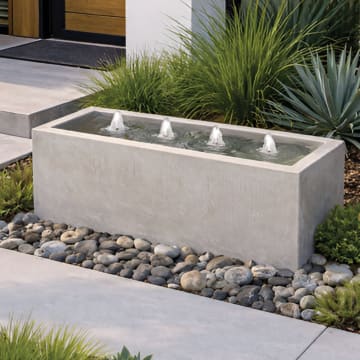
Adding a water fountain into an outdoor space, garden or awkward corner of your patio can be a great addition. However, choosing the right water fountain company is key to avoid a very noisy, leaky and algae ridden fountain that you may end up dreading by summer.
Many people make mistakes here. Home owners and landscapers alike become very excited by a fountain and buy a beautiful option from online. However, 6 months down the line, they may be searching “why does my fountain sound like a toilet running.”
What to Look For in a Outdoor Fountains
Not all Outdoor Fountains companies are created equal. Many are simply drop shippers that get products from overseas manufacturers and just add on a price. Other companies design, trial and fully support their products. The difference can be immediately noticeable.
If you are speaking with a good company, they will ask a number of questions to help them find the right fountain for you. They should ask you where it will be placed, whether it will be in full or partial shade, whether there is a nearby power source and what kind of water source you have. If the company you are speaking to is simply pushing products you may not be suited for, this could be a bad sign. It is important to find a company that understands that each garden is unique. Even if two gardens look similar, they can have many differences.
Additionally, check out what support they offer. Pumps within fountains will inevitably break down. It is important to find a company that will support you in year 3 with a new pump. If they disappear after sale, you may be left struggling to find a replacement that fits, and causing frustration.
Choosing the Right Outdoor Fountain
This is another common mistake. Although an outdoor fountain is obvious, it may be exposed to harsh weather conditions. This includes excessive sun, extreme cold, bugs, leaf fall and squirrels. It is a very different type of fountain to have in a sheltered internal atrium, than in the harsh cold of the midwest, or the harsh heat of Arizona.
Depending on where you live, the material of the fountain may be more suitable. Cast stone fountains hold up well in most climates, however if the water gets too cold and the fountain isn’t winterised correctly, cracks may form. Fibreglass fountains are lightweight and cheaper. However, the UV light can cause the colour to fade or cause the material to become brittle. Metal and copper fountains create a beautiful patina over time. Whilst some people love this appearance, others dislike it and wish to give them a bright and shiny finish. Consider what type of finish you prefer before purchasing one so you don’t end up stuck with a patina you don’t like.
Pump size also affects the fountain. If the pump is too small and the water doesn’t flow well, the fountain will appear very weak. If the pump is too large however, the water will splash around a lot. This causes excess water wastage, wet garden furniture and likely more algae growth as there may be puddles of water nearby. A good outdoor fountain specialist should be able to recommend the right sized pump for you.
Choosing the Right Location
Although it seems simple, placing an outdoor fountain in the correct location will improve the performance and lifespan of it.
Too much sun can lead to increased evaporation, and potentially more algae growth. However, too much shade (particularly under large tree canopies) can cause lots of leaves, sap and bird droppings in the fountain, creating a huge cleaning task. Ideally place the fountain in partial sunlight, not directly underneath tree canopies and somewhere that you can enjoy. Try to avoid placing fountains in locations which you may forget about!
Consider the noise. Large, splashing fountains placed near bedrooms may be very distracting during sleeping hours. However, placing them in outdoor living areas can mask annoying street noises or noisy neighbours.
Maintenance
Whilst not particularly exciting, maintenance is extremely important. If neglected, your fountain can quickly become a costly eyesore. To reduce evaporated water, make sure to fill regularly, particularly in warmer weather. Algae will eventually form no matter what due to the combination of sunlight and stagnant water. However, adding a simple algaecide or UV clarifier can reduce the build up of algae. You won’t have to turn your garden into a chemistry lab!
Pumps require cleaning. If debris enters the pump it can cause blockages meaning the water doesn’t flow as well as expected. Checking the pump regularly, ideally once a month, can prevent larger problems further down the line such as a burnt out motor.
Depending on where you live, winter can be quite difficult. If it gets very cold, you will need to drain the fountains. In some cases, you may also need to move parts of the fountain into indoors to prevent damage to the basins by expansion of frozen water. A Good Water Fountain Company will advise you on this, so you don’t get a surprise on your first frosty nights.
Cost
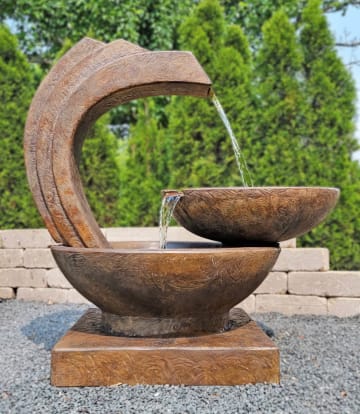
The price of fountains varies greatly. Small tabletop fountains can be had for around $200 whereas large statement fountains with tiered stone construction and decorative lighting can be several thousand. However while it may be tempting to purchase a cheap fountain, they often have thin construction, underpowered pumps and parts that cannot be replaced if they do break. This can end up costing you double in the long run.
Overall, paying a bit more for durable fountains from a reputable company will save you money in the long run (usually 5-10 years).
Conclusion
As long as you choose the right water fountain company, the right type of outdoor fountains for the climate and garden you have, and perform regular maintenance, having a water fountain shouldn’t be a stressful experience. As long as you are patient in your decision making, you shouldn’t end up with a water fountain you dislike.
FAQs
How much will it cost me to run an outdoor fountain?
Depending on pump size, most fountains will cost around $10-$20 more per month on your electricity. Top up water is generally minimal, unless in very hot and dry climates.
Can I fit a fountain my self?
For smaller fountains, yes. However, if it is a large tiered stone fountain or requires plumbing, it would be best to get some help. Placing electrical connections near water is something you definitely wouldn’t want to try DIY.
Can outdoor fountains be placed in cold winters?
Yes, as long as you winterise them. It may be required to drain the water and in some cases, move the pump inside. If you don’t do this, you could cause cracking in the basins.
How can I reduce algae forming in my fountain?
Make sure the water is circulating (stagnation causes algae to grow). Add an algaecide or a UV clarifier. Clean out the basin every few weeks. Place in partial shade to help reduce algae growth as full sun greatly increases algae growth.