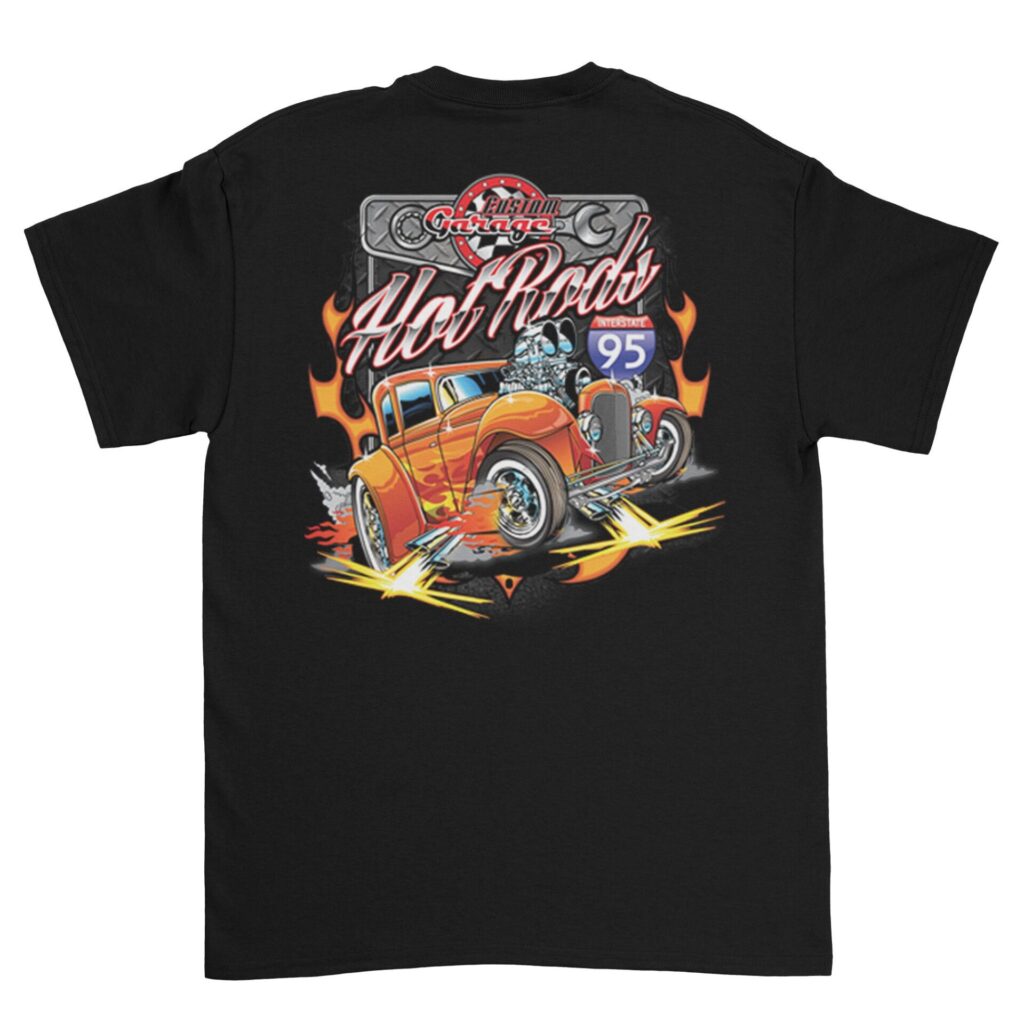
A great printed shirt can turn a simple garment into a powerful marketing tool, fashion statement, or memorable keepsake. From small business branding to event merchandise, choosing the right printing method makes a significant difference in quality and appearance. Many apparel buyers explore Custom t-shirt printing options to create unique designs that match their goals. Understanding the most popular techniques helps you select a method that fits your budget, artwork, and production needs.
Why Choosing The Right Printing Method Matters
The printing method affects how a design looks, feels, and lasts over time. Some techniques produce vibrant colors that stand out from a distance, while others create softer finishes that blend naturally into the fabric.
Cost is another important factor. A method that works well for large production runs may not be practical for small orders. Understanding the strengths and limitations of each option helps businesses and apparel brands make informed decisions and avoid unnecessary expenses.
Screen Printing
Screen printing remains one of the most widely used methods in the apparel industry. The process involves pushing ink through a mesh screen onto the fabric. Each color requires a separate screen, making it ideal for designs with limited color variations.
This technique produces bright, durable prints that hold up well after repeated washing. Many businesses choose screen printing for promotional shirts, uniforms, and large merchandise orders because it offers excellent consistency and cost efficiency for bulk production.
Benefits Of Screen Printing
Screen printing provides outstanding color vibrancy and durability. The ink sits on top of the fabric, creating a bold appearance that attracts attention.
Additional advantages include:
- Excellent print durability
- Cost-effective for large quantities
- Vibrant and solid colors
- Suitable for various fabric types
- Professional finish for branding
These benefits make screen printing a preferred choice for companies seeking long-lasting apparel solutions.
Best Uses For Screen Printing
This method works particularly well for corporate uniforms, sports teams, promotional giveaways, and event merchandise. Large orders benefit from reduced per-unit costs once the setup process is complete.
Designs featuring logos, slogans, and simple artwork often achieve the best results. Businesses looking for consistent branding across hundreds of shirts frequently select this printing approach.
Direct-To-Garment Printing (DTG)
Direct-to-garment printing uses specialized inkjet technology to print artwork directly onto fabric. The process resembles printing on paper, but the printer applies textile-friendly inks designed for apparel.
DTG allows highly detailed images with numerous colors and gradients. It eliminates the need for screens, making it attractive for smaller orders and custom pieces that require intricate artwork.
Advantages Of DTG Printing
One major benefit is the ability to reproduce complex graphics accurately. Photographs, detailed illustrations, and colorful artwork can be printed without extensive setup requirements.
The process also supports print-on-demand business models. Apparel companies can produce individual garments as needed, reducing inventory costs and minimizing waste associated with large production runs.
When DTG Works Best
DTG is ideal for small orders, personalized garments, and designs featuring many colors. Artists, online apparel stores, and small businesses often choose this option when flexibility is important.
This method performs best on cotton garments because the fabric absorbs ink effectively. The resulting print feels softer than many traditional printing techniques.
Heat Transfer Printing
Heat transfer printing involves applying a design to fabric using heat and pressure. Designs are typically printed onto transfer material and then pressed onto the garment with specialized equipment.
The method offers flexibility and allows businesses to produce customized apparel without extensive setup costs. It is commonly used for promotional products, personalized gifts, and small production runs.
Types Of Heat Transfer Methods
Several variations exist within heat transfer printing. Vinyl transfers use colored vinyl sheets cut into shapes and applied to garments. Printed transfers use digital designs transferred through heat application.
Sublimation transfer, another popular option, creates vibrant all-over designs on compatible polyester fabrics. Each variation serves different production requirements and design goals.
Strengths And Limitations
Heat transfer printing delivers sharp graphics and quick turnaround times. It is particularly useful for one-off designs and custom orders.
However, some transfer materials may crack or peel after extensive wear if not applied correctly. Selecting high-quality materials and experienced printers helps maintain durability and appearance.
Dye Sublimation Printing
Dye sublimation uses heat to convert ink into gas, allowing it to bond directly with polyester fibers. Instead of sitting on the fabric surface, the ink becomes part of the material itself.
The result is a vibrant, long-lasting image that does not crack, peel, or fade easily. This characteristic makes sublimation popular for sportswear, performance apparel, and fashion garments.
Key Benefits Of Sublimation
Because the design becomes embedded within the fabric, the finished product remains breathable and comfortable. Wearers do not feel a heavy layer of ink on the garment.
The process also supports full-color artwork and edge-to-edge printing. Complex patterns, photographs, and bold graphics maintain exceptional clarity and color accuracy throughout the garment.
Ideal Applications For Sublimation
Sublimation works best on light-colored polyester fabrics. Athletic apparel brands frequently use this method because it preserves fabric performance characteristics while producing striking visuals.
Businesses creating custom jerseys, activewear, and promotional sports clothing often prefer sublimation due to its durability and professional appearance.
Direct-To-Film Printing (DTF)
Direct-to-film printing has gained popularity in recent years because of its versatility. Designs are printed onto a special film, coated with adhesive powder, and transferred onto garments using heat.
Unlike some methods that require specific fabric types, DTF can work on cotton, polyester, blends, and other materials. This flexibility makes it appealing to apparel decorators serving diverse customer needs.
Why DTF Is Growing In Popularity
DTF provides strong color reproduction and excellent durability across different garment types. Businesses appreciate the ability to print detailed designs without extensive setup procedures.
The technology also accommodates small and medium-sized orders efficiently. This combination of quality and flexibility has contributed to its rapid adoption within the apparel industry.
Common Uses For DTF Printing
DTF is suitable for custom merchandise, promotional clothing, fashion brands, and personalized apparel. Companies seeking a versatile solution for mixed-fabric orders often find this method particularly useful.
The process handles detailed graphics, gradients, and vibrant colors effectively, making it suitable for a wide range of creative applications.
Plastisol Transfers
Plastisol transfers combine elements of screen printing and heat transfer methods. Designs are screen printed onto transfer paper and later applied to garments using heat.
This approach allows businesses to prepare designs in advance and apply them when needed. It provides flexibility for inventory management and on-demand production.
Benefits For Apparel Businesses
Plastisol transfers maintain many of the advantages associated with traditional screen printing. Colors appear bold, and prints remain durable through repeated washing cycles.
Businesses can store transfers and apply them later, making order fulfillment more efficient. This feature helps companies respond quickly to customer demand without maintaining large inventories.
Factors To Consider Before Selecting A Printing Method
Choosing among various t-shirt printing techniques requires evaluating several important factors. Production volume, fabric type, design complexity, and budget all influence the best solution.
A small online store selling customized shirts may prioritize flexibility and low setup costs. Meanwhile, a large corporation ordering thousands of promotional garments may focus on consistency and cost savings at scale.
Design Complexity
Artwork plays a major role in determining the appropriate printing technique. Simple logos often work well with screen printing, while photographs and detailed illustrations may benefit from DTG or DTF processes.
Evaluating color count, gradients, and image detail helps narrow the available options. Matching the design to the printing technology ensures better final results.
Fabric Compatibility
Different methods perform best on specific materials. Cotton garments frequently work well with DTG, while polyester apparel often benefits from sublimation.
Understanding fabric requirements prevents quality issues and ensures the finished garment meets customer expectations. Consulting with a printing professional can help identify the most suitable option.
Production Volume And Budget
Order size significantly impacts overall costs. Screen printing generally becomes more economical as quantities increase, while digital methods often suit smaller production runs.
Balancing quality requirements with budget constraints helps businesses choose a solution that delivers value without sacrificing appearance or durability.
Future Trends In T-Shirt Printing
The apparel industry continues to adopt new technologies that improve efficiency and sustainability. Modern printing equipment offers better color accuracy, faster production speeds, and reduced waste.
Eco-friendly inks and energy-efficient production methods are becoming increasingly important as consumers seek environmentally responsible products. Businesses that stay informed about these developments can better meet changing market expectations.
Conclusion
Selecting the right printing method is one of the most important decisions in apparel production. Screen printing, DTG, heat transfer, sublimation, DTF, and plastisol transfers each offer unique advantages depending on the project requirements. Factors such as design complexity, garment material, order volume, and budget should guide the decision-making process. By understanding how each technique works and where it performs best, businesses and apparel brands can create high-quality garments that meet customer expectations while maximizing value and long-term satisfaction.