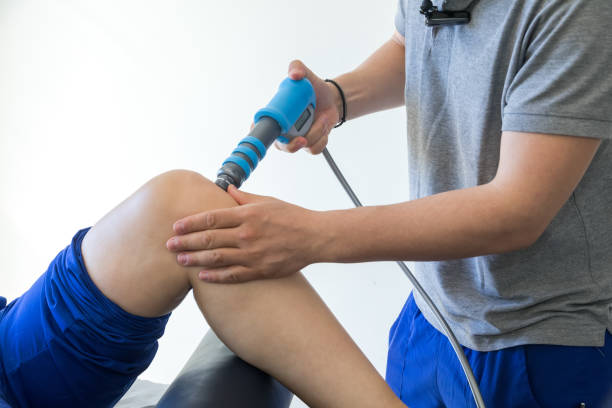
Some injuries just don’t seem to get the message. You rest for a bit. You change your shoes. You stop running. Maybe you stretch every morning because somebody told you that would sort it out. And yet, the pain is still there. That’s one reason people start looking into shockwave therapy near me in Townsville when a foot, ankle, or tendon problem has dragged on for too long. Shockwave therapy uses pressure waves to target a particular area of tissue. It doesn’t involve cutting into the body, and no needles are being pushed into the painful spot. Instead, the treatment is intended to stimulate a response in the tissue and support the body’s repair process. Whether it helps depends on what’s actually causing the pain, though. That’s the part people sometimes overlook.
Plantar Fasciitis Can Be Particularly Stubborn
Heel pain has a nasty habit of becoming part of your daily routine. You get out of bed, and the first few steps hurt. You walk around, and it settles a little. Then you stand for a long time, go shopping, or finish a busy workday, and there it is again. Plantar fasciitis is a common reason for this sort of ongoing heel pain. It affects the plantar fascia, a strong band of tissue underneath the foot. When the problem becomes persistent, shockwave therapy may be used to stimulate the affected area and encourage tissue changes that support recovery. It isn’t about blasting the pain away in one appointment. Usually, the bigger picture matters more, footwear, activity levels, calf flexibility, foot strength, and how much load the tissue is handling all come into it.
Achilles Tendon Pain Is Another Common Example
The Achilles tendon does a lot of work without getting much attention until something goes wrong. Running, jumping, sudden increases in exercise, and even changes in training surfaces can put extra stress on it. Over time, the tendon can become painful and irritated, particularly around the lower part near the heel. This is often referred to as Achilles tendinopathy. Shockwave treatment can be considered in some persistent cases. The pressure waves are directed toward the affected tendon with the aim of encouraging a useful biological response. There may be some discomfort during treatment. That’s not exactly a secret. But treatment intensity can generally be adjusted according to the individual and the condition. More importantly, shockwave therapy is usually only one part of the recovery plan. The tendon still needs sensible loading and strengthening.
Other Tendon Problems May Also Respond
Not every tendon problem happens around the heel. Tendons throughout the lower limb can become overloaded, especially when somebody repeats the same movement again and again without giving the tissue enough time to adapt. Sometimes it’s sport. Sometimes it’s work. Sometimes a person simply changes their routine too quickly. Shockwave therapy has been used for a range of chronic tendon conditions where normal healing appears to have slowed down. The treatment may help stimulate local tissue activity and is often combined with rehabilitation. And that’s worth stressing. If someone expects a machine to do all the work while they carry on with the exact activity that caused the injury, things can get complicated. Tissue still needs time. It needs the right amount of load, too.
What About Shin Pain?
Shin pain is another area where things aren’t always as simple as they first appear. A runner might assume they have shin splints after increasing their distance, while someone else might blame a new pair of shoes. Sometimes those explanations are correct. Sometimes they’re not. Medial tibial stress syndrome, commonly known as shin splints, can produce pain along the inside edge of the shin and may be associated with repetitive loading. In certain cases, shockwave therapy can be included in treatment. But a proper assessment comes before that. Stress injuries and several other conditions can produce similar symptoms, and those problems shouldn’t simply be treated as ordinary muscle soreness. Guessing isn’t really a treatment plan.
Sports Injuries Aren’t Just for Professional Athletes
You don’t have to be playing professional sport to develop an overuse injury. Plenty of people get hurt because they went from doing very little to suddenly training four times a week. Others spend all day on their feet at work and then add running or gym sessions in the evening. The body notices. Shockwave therapy may have a role in certain sports-related and overuse injuries, particularly where tendons or other soft tissues have become difficult to settle. A practitioner may use it alongside exercises, stretching, recovery strategies, and changes to training. The aim is not necessarily to get someone back on the field tomorrow. Sometimes slowing things down for a little while is exactly what gets the recovery moving again.
So What Happens During a Session?
The equipment looks a little unusual if you’ve never seen it before. A handheld applicator is placed against the skin, usually with a layer of gel, and the device sends acoustic pressure waves into the selected area. The sensation varies. Some people describe it as tapping. Others say it feels sharp or uncomfortable, particularly when the applicator reaches a sensitive part of the tissue. Sessions don’t usually take a huge amount of time, and there is no incision involved. Afterward, the area can feel tender for a short period. That’s not automatically a bad sign. The body has been stimulated, after all. Results also tend to develop over time rather than appearing instantly. One session isn’t necessarily going to change everything.
It Isn’t Suitable for Every Type of Pain
This is where a bit of common sense comes in. Shockwave therapy is not a universal fix for anything that hurts below the knee. If the pain is coming from a fracture, infection, nerve issue, or another underlying condition, shockwave may not be the appropriate treatment at all. A medical history matters, too. Certain health conditions, medications, and other circumstances can affect whether the treatment should be used. Pregnancy may also affect treatment decisions depending on the area involved. That’s why an assessment should happen before somebody starts a course of sessions. Truth is, knowing what not to treat can be just as important as knowing what can be treated.
Getting the Right Advice Before Starting
People understandably want to get rid of pain. Nobody enjoys limping around, avoiding stairs, or thinking twice before going for a walk. But finding out why the pain is there is still the first job. Shockwave therapy can be considered for several persistent foot, ankle, tendon, and soft-tissue problems, particularly when other conservative measures haven’t provided enough improvement. It may work alongside strengthening and rehabilitation rather than replacing them. If you’ve been dealing with a problem that keeps coming back, a podiatrist in Townsville QLD can assess the area, discuss the likely cause, and explain whether shockwave therapy makes sense for you. Sometimes the right treatment is shockwave. Sometimes it isn’t. Getting that answer first can save a lot of wasted time, money, and frustration.