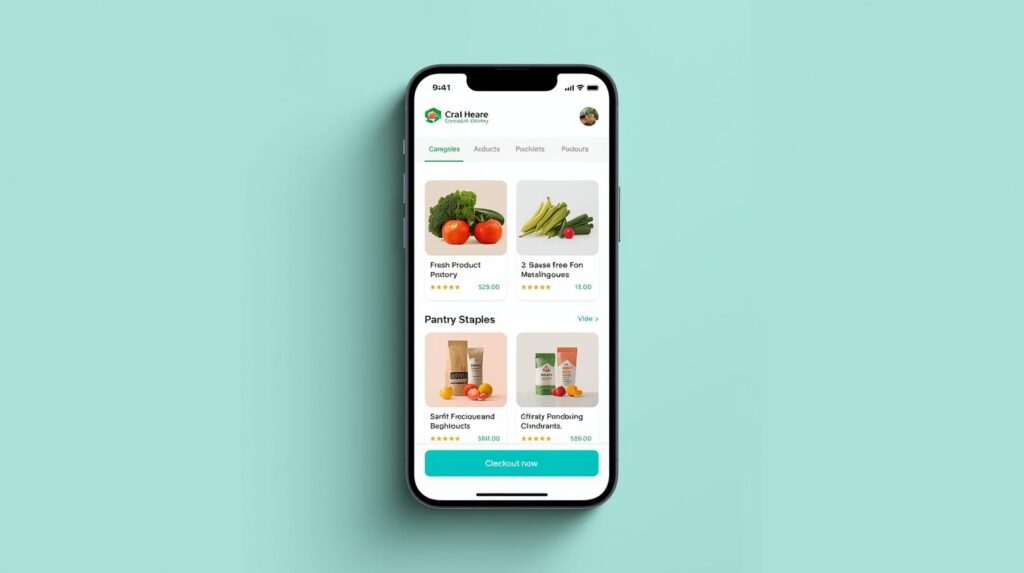
The rapid expansion of e-commerce has transformed how people shop for groceries. Apps like BigBasket have revolutionized the grocery shopping experience, enabling millions of users to order fresh produce and daily essentials from their homes. If you’re considering launching your own grocery delivery platform, understanding the development costs is crucial. This guide explores the factors influencing the investment required when partnering with a professional grocery delivery app development company.
Understanding the Market Landscape
Whether you’re looking to build your app with a local grocery delivery app development company in Noida or partner with a national firm, understanding market dynamics is essential. BigBasket’s success demonstrates the immense potential in the grocery delivery sector. The platform handles millions of transactions daily, manages complex supply chains, and maintains real-time inventory across multiple warehouses. Replicating even a fraction of these capabilities requires significant investment and technical expertise. The cost of developing a comparable application varies dramatically based on features, scalability requirements, and geographic reach.
Core Development Costs
Backend Development
The backend infrastructure forms the foundation of any grocery delivery app. This includes building servers, databases, APIs, and payment gateways. A robust backend capable of handling high transaction volumes typically costs between $30,000 to $60,000. This investment ensures your app can process orders, manage inventory, and handle customer payments securely.
Mobile Application Development
Developing both iOS and Android applications requires separate coding approaches. Individual app development for each platform costs approximately $25,000 to $50,000 per platform. Cross-platform development using frameworks like React Native or Flutter offers cost-efficiency, ranging from $40,000 to $70,000 for both platforms simultaneously. The final cost depends on feature complexity and design sophistication.
Web Platform
A web version of your grocery app extends market reach to desktop users. Development typically costs $15,000 to $30,000, depending on functionality matching your mobile application.
Feature-Specific Costs
Advanced features significantly impact your total investment. Here’s what to expect:
Real-Time Tracking and GPS Integration: $8,000 to $15,000 allows customers to monitor delivery status in real-time, a feature users expect in modern grocery apps.
AI-Powered Recommendations: Implementing machine learning algorithms for personalized product suggestions costs $10,000 to $25,000 but substantially improves user engagement and repeat purchases.
Inventory Management System: A sophisticated system tracking stock across multiple locations costs $12,000 to $20,000 but prevents overselling and improves operational efficiency.
Payment Gateway Integration: Secure integration with multiple payment methods (credit cards, digital wallets, UPI) costs $5,000 to $10,000.
Admin Dashboard: A comprehensive backend management system for operations teams costs $8,000 to $15,000.
Why Choose a Professional Grocery Delivery App Development Company?
Partnering with an experienced grocery delivery app development company offers substantial advantages beyond cost considerations. These specialized firms understand the unique challenges of grocery logistics, including perishable product handling, complex inventory management, and regulatory compliance requirements.
Professional development companies bring proven methodologies, quality assurance processes, and post-launch support that individual freelancers cannot match. They maintain teams across multiple domains—backend engineers, mobile developers, UX designers, QA specialists—ensuring comprehensive development without quality compromises.
Total Investment Overview
A basic grocery delivery app with essential features typically costs between $100,000 to $150,000. A moderately complex application with advanced features ranges from $150,000 to $300,000. Enterprise-grade solutions comparable to BigBasket, featuring AI capabilities, complex logistics, and multi-warehouse support, require $300,000 to $600,000 or more.
These figures exclude ongoing costs such as server maintenance ($2,000-$5,000 monthly), user acquisition, marketing, and team expansion.
Additional Considerations
Beyond development costs, successful grocery apps require investment in compliance and security. Payment gateway compliance, data protection regulations, and food safety standards necessitate additional development time and resources.
Scalability planning is essential. Building infrastructure that grows with your user base prevents costly rebuilds later. Initial development should accommodate potential expansion across cities or regions.
Conclusion
Developing a grocery delivery app like BigBasket represents a substantial investment, but the market opportunity justifies the expense. By understanding cost breakdowns and selecting the right grocery delivery app development company, you position your venture for success. Professional developers ensure technical excellence, security compliance, and scalability essential for long-term competitiveness. Whether you’re starting with a regional app or planning nationwide expansion, investing in quality development pays dividends through improved user experience, operational efficiency, and customer retention. The key is balancing features with budget while ensuring your app meets user expectations in this increasingly competitive market.