Medically reviewed by Dr. Mahmoud Akrama
Introduction
Healthy, refreshed-looking skin is something many people want, but achieving it can sometimes feel challenging. Daily exposure to sunlight, pollution, stress and environmental factors can affect skin texture, hydration and overall appearance. As a result, professional facial treatments have become an increasingly popular part of modern skincare routines. Among these options, Hydrafacial has gained attention for its gentle approach to cleansing, exfoliation and hydration.
One reason behind its popularity is that it combines several skincare steps into a single treatment session. Rather than focusing on just one concern, it addresses common issues such as dullness, clogged pores, uneven texture and dehydration. It can also be adapted to different skin needs, making it an appealing option for people who want a refreshed complexion without an extensive recovery period.
Whether someone wants to improve skin clarity, maintain hydration or support regular skin rejuvenation, understanding how Hydrafacial works can help them make an informed decision. However, it is equally important to have realistic expectations and understand what this treatment can and cannot achieve.
What Is Hydrafacial and How Did It Start?
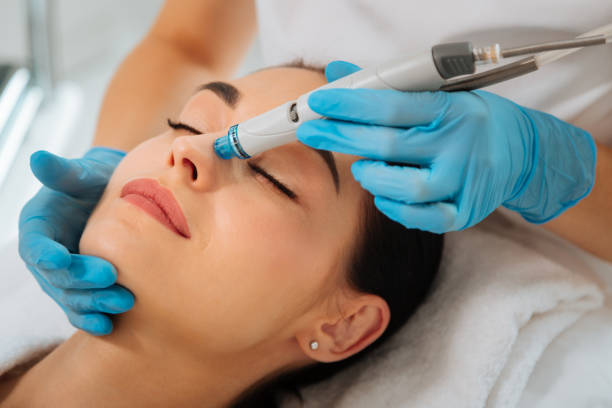
Hydrafacial Abu Dhabi is a non-invasive facial treatment designed to cleanse, exfoliate, extract impurities and hydrate the skin using specialised equipment. It combines several skincare techniques into one organised procedure, helping improve the appearance and feel of the skin.
The treatment developed from the concept of combining traditional facial care with modern technology. Instead of relying entirely on manual cleansing and exfoliation, it uses a specialised device with a controlled delivery and suction system. This allows skincare professionals to perform different treatment steps in a structured way.
Hydrafacial has become widely recognised because it can address several everyday skin concerns within one appointment. People experiencing dullness, surface congestion, uneven texture or dryness may consider it as part of their professional skincare routine.
Another reason for its appeal is its adaptability. Depending on an individual’s skin condition and treatment goals, an aesthetic practitioner may adjust the treatment approach and select suitable skincare serums.
However, Hydrafacial is not a solution for every dermatological concern. Deeper pigmentation, significant facial sagging and certain persistent skin conditions may require different professional treatments.
How Does the Hydrafacial Treatment Work?
Hydrafacial works through a combination of cleansing, exfoliation, gentle extraction and hydration, helping improve the skin’s surface appearance without requiring an invasive procedure.
The session generally begins with cleansing to remove surface impurities, excess oil and accumulated debris. This prepares the skin for the following stages and helps create a cleaner surface.
The next stage involves gentle exfoliation. Specialised equipment helps remove dead skin cells from the outermost layer of the skin. This can improve the appearance of rough texture and dullness while preparing the skin to receive hydrating ingredients.
The extraction stage uses controlled suction to help remove impurities from congested pores. Unlike aggressive manual extraction, the device is designed to perform this step in a more controlled manner. The treatment then delivers hydrating skincare solutions to support a smoother and fresher-looking complexion.
People interested in professional skin rejuvenation can explore Hydrafacial to understand the treatment approach and available options. It is worth distinguishing this procedure from other aesthetic technologies. For example, laser-assisted lipolysis is designed for body contouring rather than facial cleansing, while collagen stimulation procedures address different aspects of skin quality and facial sagging. Hydrafacial primarily focuses on surface cleansing, exfoliation and hydration, helping support natural-looking results without the same treatment process or recovery requirements associated with more intensive aesthetic procedures.
The exact steps and products used may vary depending on the equipment, skin condition and professional assessment.
What Are the Main Reasons People Choose Hydrafacial?
People choose Hydrafacial because it offers a combination of skincare benefits in a single session, with relatively little disruption to their usual routine.
Improved skin hydration
Dehydrated skin can appear dull, rough or less refreshed. Hydrafacial incorporates hydrating skincare solutions that help improve the skin’s moisture levels and leave it feeling softer.
A fresher-looking complexion
Dead skin cells and surface impurities can make the complexion look tired. Gentle exfoliation helps remove some of this buildup, allowing the skin to appear smoother and more refreshed.
Gentle pore cleansing
Clogged pores are a common concern, particularly for people with oily or combination skin. The extraction stage helps remove accumulated impurities, supporting a cleaner-looking skin surface.
Smoother skin texture
Uneven surface texture can affect the overall appearance of the face. By combining exfoliation and hydration, Hydrafacial may help improve the appearance of rough or dull areas.
A convenient treatment session
Many people appreciate that the treatment combines multiple skincare steps without requiring several separate appointments. Sessions are generally relatively short, although the exact duration depends on the treatment plan.
Minimal interruption to daily activities
Hydrafacial usually involves less recovery time than more intensive cosmetic procedures. Many people can return to their normal activities shortly afterwards, although temporary redness or sensitivity may occur.
Real Expectations Versus Common Misconceptions
Hydrafacial can improve the appearance of the skin, but understanding its limitations is important before booking a session.
One common misconception is that a single treatment will permanently transform the complexion. Although some people notice a fresher appearance after their first session, results are generally temporary and depend on individual skin characteristics, skincare habits and treatment consistency.
Another misunderstanding is that Hydrafacial can address every type of skin concern. While it can help with surface congestion, dullness and dehydration, it is not designed to replace treatments for deeper pigmentation, pronounced wrinkles or significant facial sagging.
It is also important to understand the difference between hydration and collagen stimulation. Hydrafacial supports surface skin care and hydration, but it should not be considered a major collagen-remodelling procedure. Treatments specifically designed for collagen stimulation work differently and may be more appropriate for certain concerns.
Some people expect the procedure to be completely free from discomfort or temporary reactions. Although it is generally well tolerated, mild redness, tightness, irritation or sensitivity can occur. The likelihood and duration of these reactions vary between individuals.
People with active skin irritation, certain inflammatory conditions or damaged skin barriers should discuss their suitability with a qualified professional before proceeding.
How Does Hydrafacial Compare With a Chemical Peel?
Hydrafacial and chemical peels are both professional facial treatments, but they work differently and may suit different skincare goals.
| Comparison | Hydrafacial | Chemical Peel |
|---|---|---|
| Main approach | Cleansing, extraction and hydration | Chemical exfoliation |
| Exfoliation | Gentle physical and fluid-based exfoliation | Uses selected exfoliating acids |
| Hydration | Includes hydrating skincare solutions | Depends on the peel formulation and aftercare |
| Common concerns | Dullness, congestion and dehydration | Uneven texture, certain pigmentation concerns and surface ageing |
| Recovery | Usually minimal | Depends on peel strength and individual response |
| Suitability | Depends on skin condition and treatment assessment | Depends on skin type, concern and peel formulation |
Neither option is automatically suitable for everyone. A professional skin assessment can help determine which treatment better matches an individual’s concerns, skin sensitivity and desired outcomes.
Choosing the Right Clinic and Practitioner
Choosing a qualified clinic and experienced aesthetic practitioner is important because professional assessment helps ensure that Hydrafacial is appropriate for your skin.
Before booking, consider whether the practitioner understands different skin types and common dermatological concerns. They should ask about your skincare history, existing conditions, sensitivities and treatment expectations.
A reliable consultation should explain what the procedure involves, which products may be used and what results are realistically achievable. It should also include an opportunity to discuss possible temporary reactions and appropriate aftercare.
Hygiene and equipment standards are equally important. The clinic should follow suitable cleaning procedures, use appropriate treatment attachments and maintain professional standards throughout the session.
It is also helpful to ask whether the treatment can be adjusted according to your skin condition. Someone with sensitive skin may need a different approach from someone primarily concerned with oily skin or clogged pores.
Avoid choosing a treatment based entirely on promotional promises. A professional recommendation should be based on your individual needs rather than an assumption that the same procedure works equally well for everyone.
Frequently Asked Questions
Is Hydrafacial suitable for all skin types?
Hydrafacial may be suitable for many skin types, including dry, oily and combination skin. However, suitability depends on individual skin conditions, sensitivities and the products used. A professional assessment is recommended before treatment.
How long do Hydrafacial results last?
Results vary according to skin condition, lifestyle and skincare habits. Many people notice an immediate improvement in hydration and skin appearance, but these effects are not permanent. A practitioner can recommend an appropriate treatment schedule.
Does Hydrafacial involve downtime?
Most people experience minimal downtime and can return to regular activities shortly after the session. Temporary redness, tightness or mild sensitivity may occur, so following professional aftercare advice is important.
Can Hydrafacial help with pigmentation and dark spots?
Hydrafacial may improve the appearance of dullness and surface irregularities, but it does not reliably treat all forms of pigmentation. Conditions such as melasma or deeper hyperpigmentation may require a more targeted dermatological approach.
How often should someone receive Hydrafacial?
Treatment frequency depends on individual skin needs, sensitivity and professional recommendations. Some people include it in a regular skincare routine, while others prefer occasional sessions. A practitioner can help establish a suitable schedule.
Conclusion
Hydrafacial has become a popular skincare treatment because it combines cleansing, exfoliation, pore extraction and hydration in one non-invasive procedure. Its convenient approach, minimal recovery requirements and adaptable treatment options make it an appealing choice for people looking to improve the appearance of dull, congested or dehydrated skin.
However, the most suitable skincare approach depends on individual concerns and expectations. Hydrafacial is primarily focused on surface skin quality and hydration rather than addressing every sign of ageing or deeper dermatological condition.
If you are considering this treatment, arranging a professional consultation is a sensible first step. A qualified practitioner can assess your skin, discuss your goals and recommend whether Hydrafacial is an appropriate addition to your skincare routine.