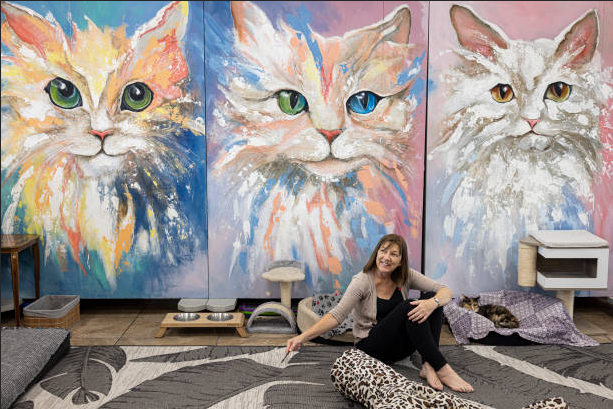
Pets are no longer seen as just animals in the home. They are companions, family members, and part of the stories people want their spaces to tell. This shift has helped pet art move from a niche idea to a noticeable trend in modern home decor. From playful illustrations to elegant portraits, these pieces add personality in a way ordinary wall art often cannot. But the appeal goes beyond simply displaying a favorite pet.
So, why has pet art become such a popular choice, and what makes it fit so naturally into today’s homes? The reasons are more personal than they first appear.
Key takeaways
- Pet portraits make home decor feel more personal.
- Different art styles suit different interiors.
- Meaningful artwork can preserve everyday memories.
- Flexible sizes make pet pieces easy to display.
- Signed or numbered prints offer a collectible option.
Why Pet Art is Becoming Too Common in Modern Homes
1. Pet Art Adds Personality to a Home
One of the main reasons pet art works so well in modern decor is that it feels specific to the household. A landscape or abstract print may be visually attractive, but a portrait of a family pet carries a story that belongs to the people living in the home.
The artwork may capture a familiar expression, a favorite pose, an unusual marking, or a memorable habit. These details create a stronger emotional connection than mass-produced decor.
· It Reflects Relationships
Pets are part of everyday family life. They are present during routines, celebrations, moves, and major life changes. Displaying their image acknowledges that role and makes the home feel more connected to the people and animals who share it.
A well-placed portrait can also become a natural conversation piece. Visitors may ask about the animal, the artist, or the story behind the chosen image.
· It Makes Decor Feel Less Generic
Many modern interiors rely on neutral walls, simple furniture, and clean lines. While this creates a calm setting, it can sometimes feel impersonal. Pet art introduces character without disrupting the overall design.
A bold portrait can act as a focal point, while a smaller print can add subtle interest to a shelf, gallery wall, or reading corner.
· Pet Artwork Fits Different Interior Styles
Pet-themed artwork is not limited to one visual style. Artists can adapt the subject to suit traditional, modern, rustic, minimalist, or eclectic interiors.
· Realistic Paintings for Classic Spaces
Detailed portraits work well in homes with traditional furniture, layered textures, or formal wall arrangements. A realistic dog or cat painting can be framed in wood, black, gold, or another finish that matches the room.
This style is especially effective when the goal is to preserve an accurate likeness of the pet.
· Soft Prints for Calm Interiors
Homes with light colors and simple furnishings often benefit from softer artwork. Watercolor prints can add color without appearing heavy or overly formal.
The loose brushwork and gentle tones often suit bedrooms, nurseries, home offices, and relaxed living spaces. They also pair well with natural materials such as linen, wood, and woven textiles.
· Graphic Styles for Modern Rooms
Some homeowners prefer simplified illustrations, bold colors, or pop-art-inspired portraits. These pieces work well in contemporary spaces and can make a pet portrait feel playful rather than sentimental.
Graphic artwork may also help balance a room with modern furniture, strong shapes, or limited color palettes.
2. Pet Art Creates Emotional Value
Home decor is not only about appearance. The most meaningful pieces often remind people of experiences, relationships, or important stages of life.
· It Preserves Everyday Memories
A portrait can capture a pet during a specific period, such as puppyhood, old age, or life in a former home. Even a simple pose may later hold strong emotional value.
This makes pet artwork more than a decorative purchase. It can become part of a family’s visual history.
· It Can Honor a Pet After Loss
Some people commission pet art after a pet dies. The artwork may provide a comforting way to remember the animal without creating a formal memorial area.
A portrait displayed naturally within the home can preserve the pet’s presence in a gentle and lasting way.
· It Works Alongside Family Artwork
Pet portraits can be displayed near photographs or people portraits to create a complete picture of the household. This approach recognizes pets as part of the family rather than treating their artwork as a separate theme.
A balanced gallery wall may combine family members, pets, places, and meaningful objects into a single visual arrangement.
3. Pet Art Offers Flexible Display Options
Another reason for its popularity is versatility. Pet artwork can be commissioned or purchased in many sizes, formats, and price ranges.
· Large Statement Pieces
A large portrait can become the main feature above a sofa, fireplace, console table, or bed. This works best when the image has a strong composition and enough empty wall space around it.
The scale should match the furniture below it. Artwork that is too small may look disconnected, while an oversized piece can overwhelm a narrow room.
· Small Prints and Gallery Walls
Smaller works are easier to place and can be grouped with other artwork. Pet sketches, photographs, watercolor prints, and typography can create a collected look.
For a more polished arrangement, homeowners can repeat frame colors, matting styles, or spacing even when the artwork itself varies.
· Collectible and Numbered Options
Some artists offer edition prints based on original animal-themed work. These are produced in a set quantity and may be signed or numbered.
They can be a good option for buyers who appreciate an artist’s style but do not need a fully customized portrait. However, shoppers should confirm the print quality, paper type, size, and edition details before purchasing.
Conclusion
Pet art has earned a lasting place in modern homes because it connects personal memories with thoughtful design. More than decoration, these pieces reflect the character of a beloved animal and the role it plays within the family. From subtle prints to bold portraits, homeowners can choose artwork that complements their space while still feeling individual.
The right piece can bring warmth to a quiet room, support meaningful remembrance, and create a story guests notice. As interior design becomes more personal, pet-focused artwork continues to offer a sincere, stylish way to celebrate companionship and make a home feel lived in.
FAQs
How long does a custom pet portrait take?
The timeline depends on the artist, medium, size, and level of detail. It may take several weeks, so buyers should ask about completion dates before ordering.
Can an artist combine several reference photos?
Yes. Multiple photos can help an artist more accurately understand a pet’s markings, coloring, expression, and posture.
What should buyers ask before commissioning artwork?
Ask about pricing, deposits, revisions, delivery, framing, copyright, and whether the artist provides progress sketches.
Are pet portraits suitable as gifts?
Yes. They can be thoughtful gifts for birthdays, holidays, adoptions, or remembrance occasions, provided the recipient’s preferences are considered.
How can buyers check print quality?
Review the paper type, printing method, ink durability, image resolution, and whether the work is signed, numbered, or accompanied by authenticity details.