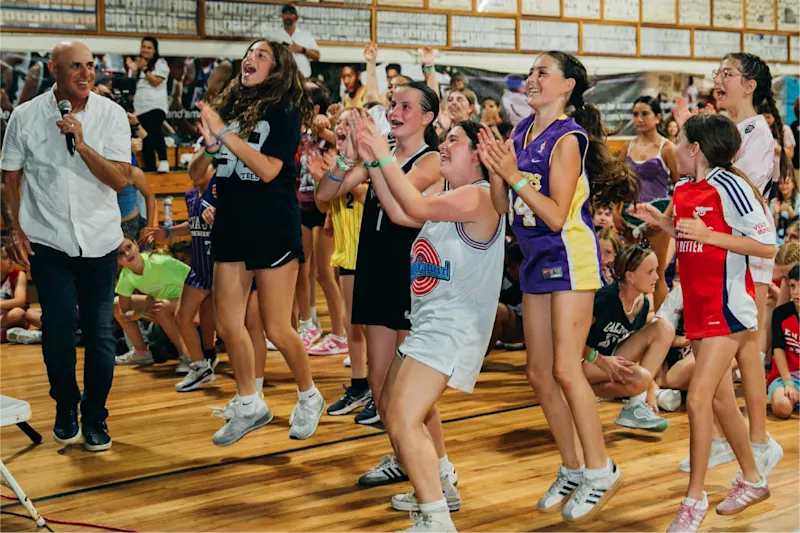
Parents picture summer camp as a guaranteed win, but plenty of kids come home flat, restless, or asking not to go back. The gap between a session a child loves and one they tolerate often comes down to a handful of design choices most marketing brochures never explain. A nine-year-old’s attention works differently than a twelve-year-old’s. Programs that treat both groups the same lose the room by Wednesday.
A well-built summer camp for elementary school kids holds attention through structure, novelty, and the right kind of social challenge. This post breaks down what actually makes a session stick, what parents should ask before signing up, and how coastal California programs are shifting their approach. Families weighing options for their child will find concrete signals to look for.
Why Age-Tiered Programming Matters More Than Glossy Brochures
A camper’s developmental stage shapes everything: attention span, social comfort, risk tolerance, and what counts as fun. Lumping a seven-year-old into the same activity rotation as a thirteen-year-old usually means one of them is bored and the other is overwhelmed.
Programs that segment cabins, activity groups, and meal seating by age band tend to retain campers year after year. A child surrounded by peers at the same developmental moment forms friendships faster, takes more creative risks, and asks more questions.
What Younger Campers Actually Need
Children entering between ages 7 and 10 respond to a different rhythm than older kids. Their engagement holds when activities pivot quickly and include sensory variety. Strong scheduling for this group tends to include:
- Short activity blocks, usually 45 to 60 minutes
- Daily routines that repeat enough to feel safe but vary enough to stay fresh
- Cabin counselors trained in homesickness response, not just activity supervision
- Built-in quiet hours that protect against overstimulation
The camps that get this right rarely advertise it loudly. They show it through their daily schedule, which parents can request before booking.
Where Older Kids Pull Away
Middle school campers want autonomy. They want to choose their lunch table, pick their elective, and have unscripted time with friends. Programs that over-schedule this age group lose them by midweek. The strongest sessions for tweens and early teens build in:
- Elective tracks that let campers commit to a skill over the full session
- Camper-led activities like talent shows, themed nights, or service projects
- Counselor relationships that feel mentor-like rather than custodial
- Real responsibility, whether that is leading younger kids in a game or planning an evening program
What Engagement Looks Like Day to Day
Engagement is not the same as activity volume. A packed schedule can drain a child as easily as an empty one. Real engagement shows up in three places: morning energy, evening conversation, and the way a camper talks about other campers by name.
Quality programs build their day around what educators call the arc of attention. Kids start strong, dip mid-afternoon, recover with food and shade, and peak again during evening programming. Camps that ignore this arc end up with cranky cabins and avoidable behavioral issues.
The Social Architecture That Holds a Session Together
The single biggest predictor of whether a child loves their session is whether they made a friend in the first 48 hours. A solid summer camp for elementary school programming model engineers early connection through icebreakers, cabin missions, and small-group challenges. Programs that build this in almost always retain campers for a second year.
Coastal California sessions use the beachfront setting as a natural connector. Sand games, group swims, and tide-pool walks give kids low-pressure ways to bond before the harder social moments arrive.
How Location Shapes the Experience
A camp’s setting changes what activities feel possible. Inland forest sites lean into hiking, archery, and cabin culture. Oceanfront programs build their identity around water and shoreline activity.
For families in Southern California searching for a beachfront option within driving distance, location matters in three practical ways:
- Travel time shapes how often parents can attend visiting days
- Climate affects activity variety and gear requirements
- Setting novelty keeps repeat campers from getting bored in year two
A coastal program between Los Angeles and San Diego offers a setting most West Coast camps cannot match.
Signals of a Well-Run Program Worth Looking For
Parents touring or researching a session should watch for specific signs that the camp takes engagement seriously:
- Counselor-to-camper ratios of 1:6 or better for younger ages
- Staff retention above 50% year over year
- Published daily schedules rather than vague activity lists
- Visible safety protocols, including waterfront lifeguard certifications
- Alumni community presence, which signals long-term camper satisfaction
A program that hesitates to share any of these is worth a second look.
What Parents Often Get Wrong During Selection
Most families pick a camp based on price, dates, and a friend’s recommendation. Those filters matter, but they miss the variables that drive engagement. Three common mistakes shape disappointing summers:
- Choosing a session length that is too long for a first-time camper, which leads to early-week burnout
- Skipping the orientation call, which is where strong programs assess fit
- Ignoring the camp’s philosophy statement, which often reveals more than the activity list
Strong programs publish their values openly, including how they handle conflict, technology use, and homesickness. Families who read those pages closely make better matches.
In a Nutshell
The sessions that hold a child’s attention all summer share a few traits: thoughtful age tiering, social design that creates friendship fast, and a setting that makes the daily rhythm feel different from home. Engagement is not a marketing claim. It is the result of dozens of small operational choices good programs make on purpose.
Families researching camps for middle school kids along the California coast have a rare opportunity to give their tween a beachfront session few West Coast programs can replicate. Parents ready to lock in a strong fit should request the current session calendar and reserve a spot before priority windows close.