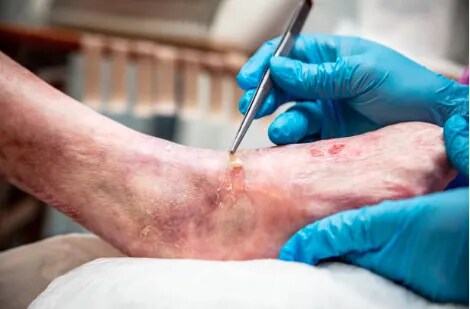
Losing a toenail can feel like a minor issue after an injury, infection, or repeated pressure from footwear. Many people assume the nail will eventually grow back with enough time. However, when a toenail does not return to its normal appearance or growth pattern, it may indicate damage that requires a closer look and may lead individuals to explore options such as missing toenail replacement.
A missing toenail is not only an appearance concern. Toenails provide protection to the sensitive tissue underneath the toe, reduce friction, and support overall foot function. Understanding why a nail fails to regrow and what solutions are available can help individuals make informed decisions about their long-term foot health.
Why Some Toenails Do Not Grow Back Naturally
Toenails grow slowly, and complete regrowth can take several months after damage. However, certain conditions can prevent normal recovery. Severe trauma, chronic pressure, fungal infections, circulation issues, or damage to the nail-producing tissue can affect the way a toenail develops.
The nail consists of several important structures, including the nail plate, nail bed, and nail matrix. The nail matrix is responsible for producing new nail cells. When this area is significantly damaged, the body may not be able to recreate a normal nail structure. As a result, the nail may grow unevenly, become distorted, or fail to return completely.
For some individuals, nail loss occurs after a direct injury such as impact, crushing, or sports-related trauma. For others, repeated irritation from tight footwear or long-term infections can gradually weaken the nail structure. Identifying the reason behind nail loss is essential because the appropriate solution depends on the condition of the surrounding tissue.
How a Missing Toenail Can Affect Foot Health
Although many people initially view toenail loss as a cosmetic concern, the impact can extend beyond appearance. The toenail acts as a protective barrier for the toe and helps shield sensitive areas from pressure and friction.
Without this natural protection, individuals may experience increased sensitivity while walking, wearing certain shoes, or participating in physical activities. The exposed nail bed can become more vulnerable to irritation, and repeated pressure may contribute to additional discomfort.
In some cases, changes in toenail health may also point toward underlying concerns. Poor circulation, chronic infections, repeated trauma, or certain medical conditions can influence how well the nail heals and regrows.
Common Causes Behind Permanent Toenail Damage
Toenail loss can happen for several reasons, and understanding the cause is an important part of determining the right approach. A nail that fails to grow back may be the result of damage that occurred months earlier.
Common causes include:
- Severe injury or repeated trauma to the toe
- Fungal infections that weaken the nail structure
- Continuous pressure from improper footwear
- Repetitive stress from running or athletic activities
- Conditions that affect circulation or healing ability
While some nail injuries improve naturally, others may create permanent changes when the nail matrix or surrounding tissue has been affected.
When Waiting for Natural Regrowth May Not Be Enough
Many individuals wait several months hoping the nail will eventually return. While patience is important because toenails grow slowly, a permanently damaged nail may not recover without additional support. When nail damage continues to affect comfort, appearance, or daily activities, understanding available options becomes important.
For people living an active lifestyle in Pittsburgh, PA, including those around areas such as Forward Ave, recognizing when a damaged toenail requires professional attention can help prevent ongoing irritation and support better foot health decisions.
Signs that further evaluation may be beneficial include continued absence of nail growth, significant changes in nail shape, discomfort during daily activities, or repeated irritation around the toe.
How Toenail Restoration Supports Protection and Appearance
When a toenail cannot naturally return to its original condition, restoration options may help improve both appearance and comfort. However, professional restoration is not simply about recreating how the nail looks.
A proper approach considers the health of the nail bed, surrounding skin, underlying tissue, and the reason the nail was lost. This ensures that the recommended option supports the needs of the individual rather than focusing only on cosmetic improvement.
In appropriate cases, missing toenail replacement can help restore the appearance of the toe while providing additional protection from everyday pressure and friction.
Understanding the Role of Toenail Reconstruction
Toenail reconstruction focuses on restoring the structure and appearance of a damaged or missing toenail while considering overall toe health. Unlike temporary cosmetic solutions, professional reconstruction takes into account the condition of the nail area and the factors that contributed to the damage.
The process is designed around individual needs and may involve preparing the nail area, improving protection, and creating a restoration that feels comfortable during daily activities.
For individuals with permanent nail damage caused by trauma or other conditions, toenail reconstruction surgery may be considered as part of a broader treatment approach. The most suitable option depends on factors such as the extent of damage, tissue health, and overall foot condition.
Why Early Attention Can Prevent Future Complications
Ignoring a missing or damaged toenail may allow small concerns to become long-term problems. Continued friction, pressure, or untreated infections can affect surrounding tissue and create additional challenges.
Early evaluation allows the underlying cause to be identified and managed appropriately. Whether the concern is related to comfort, protection, or appearance, understanding available options can help individuals maintain healthier feet and avoid unnecessary complications.
Taking the Right Step Toward Better Foot Health
A missing toenail does not always grow back naturally, especially when the nail-producing structures have experienced significant damage. Understanding the cause of nail loss and exploring suitable options can help protect the toe while improving comfort and confidence.
With the right approach, individuals can address toenail concerns while supporting long-term foot health. Recognizing the problem early and seeking appropriate guidance can make a meaningful difference in maintaining mobility, comfort, and overall quality of life.