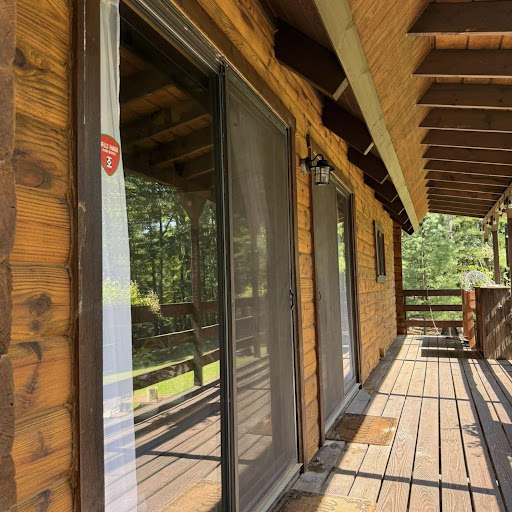
Owning a log home is different from owning a conventional house. It has character, warmth, and a look that simply can’t be copied with standard construction materials. But those beautiful logs take a beating over time. Weather, moisture, insects, sunlight, and simple age can slowly wear away at the structure. That’s where log home repair and restoration comes into the picture. If you’ve never gone through a professional repair project before, you might not know what to expect. The process is usually more involved than people think, but when it’s done right, it can add decades to the life of a home and help protect a pretty significant investment.
The Project Usually Starts With a Thorough Inspection
Before any repairs begin, a professional crew will spend time evaluating the condition of the home. This isn’t just a quick walk-around. They’ll inspect exterior walls, corners, log ends, chinking, caulking, and any areas where water tends to collect. Moisture readings may be taken in suspect locations. Sometimes the damage is obvious. Other times it’s hiding beneath old finishes or inside logs that look perfectly fine from the outside.
A good inspection helps determine the actual scope of work. Homeowners are often surprised to learn that a small visible problem can point to a larger issue underneath. Better to find it early than deal with a major structural repair later.
Identifying Moisture Problems Is a Big Part of the Process
Water is usually the main culprit behind log deterioration. It doesn’t take much. A leaking gutter, poor drainage, missing overhangs, or years of exposure can create conditions where moisture slowly seeps into the wood. Once that happens, decay can begin.
Professional restoration contractors spend a lot of time tracing the source of moisture before fixing damaged areas. There’s no point replacing logs if the water problem remains. In many cases, repairs include correcting drainage issues, improving ventilation, or making adjustments that help keep logs dry moving forward.
Damaged Logs May Need Different Levels of Repair
Not every damaged log requires full replacement. That’s one of the first things professionals evaluate. Some areas can be repaired with specialized wood restoration products that reinforce and rebuild the damaged section. Other situations call for partial log replacement, where only the deteriorated portion is removed and replaced.
When damage is extensive, full log replacement may be necessary. It sounds dramatic, but experienced crews perform this type of work regularly. The goal is always to preserve as much original material as possible while ensuring the home remains structurally sound.
Surface Preparation Can Look Messy
One stage that catches homeowners off guard is surface preparation. There can be sanding, media blasting, scraping, or stripping of old finishes. Depending on the home’s condition, this part of the project may create dust, noise, and a bit of disruption.
It’s not the prettiest phase, honestly. But it’s one of the most important. Proper preparation removes failed coatings, exposes hidden issues, and creates a clean surface for repairs and new protective finishes. Skipping this step often leads to disappointing results later.
Chinking and Sealant Repairs Are Often Included
Logs naturally expand and contract as temperatures and moisture levels change. Over time, chinking and sealants can crack, separate, or lose flexibility. Those gaps allow water and air to enter places they shouldn’t.
During restoration, contractors frequently repair or replace damaged chinking and caulking materials. Fresh sealants help improve energy efficiency while also protecting the structure from moisture intrusion. It’s one of those details homeowners don’t always notice right away, but it makes a huge difference over the long run.
Expect Protective Treatments and New Finishes
Once repairs are complete, the logs typically receive protective treatments designed to defend against future damage. This may include stains, sealants, UV-resistant coatings, or preservatives depending on the home’s needs and climate conditions.
The appearance of the home often changes quite a bit during this stage. Faded logs regain color. Weathered surfaces look healthier. More importantly, the wood receives protection from the elements that caused many of the original problems. A quality finish system is a major part of any successful restoration project.
Repairing Rot Requires More Than Covering It Up
One thing experienced contractors understand is that you can’t simply hide decay and hope for the best. When crews need to repair log cabin rot, they first remove compromised material and evaluate how deeply the damage extends. In some cases, only a localized repair is necessary. In others, larger sections must be rebuilt or replaced. The important thing is addressing the root cause and restoring the integrity of the structure rather than applying a cosmetic fix that fails a few years later.
Project Timelines Can Vary Quite a Bit
Homeowners often ask how long restoration work will take. The honest answer is that it depends. A small repair project may take only a few days. Larger restoration jobs involving multiple log replacements, extensive surface preparation, and complete refinishing can take several weeks.
Weather also plays a role. Rain, humidity, and temperature conditions sometimes affect scheduling, especially when finishes need adequate drying and curing time. Good contractors communicate throughout the process so there aren’t surprises along the way.
Conclusion
A professional log home repair project is about much more than fixing visible damage. It’s a process that involves careful inspection, moisture control, structural repairs, protective treatments, and long-term preservation. While the work may seem extensive at times, the payoff is a healthier, stronger home that can continue standing for many years. When handled by experienced specialists, restoration protects both the beauty and value of a log home, helping owners enjoy everything that made them fall in love with it in the first place.