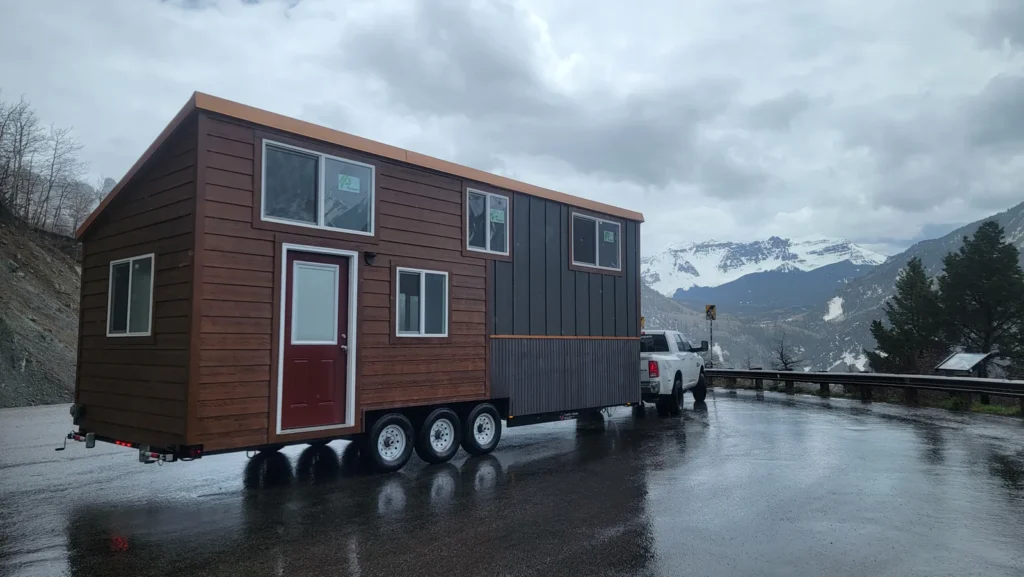
Searching for a tiny home for sale Colorado listings can feel exciting and confusing at the same time. The photos look great: a loft bed, a wood stove, a mountain view out the back window. But the price tag is only part of the story. Where you can park or build the home, and how your county treats it, matter just as much. This guide walks through what these homes cost, how they are classified, and where buyers usually start looking.
Why So Many People Are Looking at Tiny Homes in Colorado
Housing in Colorado is expensive, especially along the Front Range. A small home looks like a way out of a huge mortgage. Some buyers want a cheap place to live. Others want a backyard cottage for a parent or a grown kid who is still figuring things out. And plenty just want a cabin in the mountains that doesn’t need much upkeep.
The state is also fairly open to the idea compared with many others. That doesn’t mean you can put one anywhere, though. Openness at the state level and the rules on your actual lot are two different things.
What Does a Tiny Home Cost Here?
Prices swing a lot. One Colorado builder guide puts the usual range at roughly $30,000 to $95,000, and that matches what I see in most listings. A basic 20-foot home on wheels can sit near the bottom of that range. A custom build with good insulation, a full kitchen and a deck lands near the top.
Per square foot, tiny homes are often pricier than regular houses. You pay for compact plumbing, built-in storage and clever design. Land is a separate cost, and in Colorado it can be bigger than the home itself. So set your budget in two parts: the house, and the place it will sit.
Foundation or Wheels? This Choice Decides Almost Everything
Before you fall for any listing, ask one question. Is the home built on a permanent foundation, or is it on a trailer?
Tiny homes on a foundation
A tiny home on a permanent foundation is treated much like any other house. It follows the building code your county has adopted. Colorado’s state housing division uses the 2018 International Residential Code with Appendix Q, which loosens rules on things like loft ceiling height and stairs for very small homes. But the state code mostly covers areas where no local building department exists. Cities and counties often choose their own version. Larimer County, for example, explains that a foundation-based tiny home can get a permit and a certificate of occupancy, and it may be treated as real property once it passes final inspection.
Tiny homes on wheels
A tiny house on wheels is usually classified as a recreational vehicle. That is the part many buyers miss. In most residential zones you can’t simply live in an RV full time, and some places fine people for it. Loveland, for instance, treats permanent living in a wheeled unit in a residential zone as a zoning violation. If you are buying one, find out exactly where it can legally sit before you pay a deposit.
Local Rules Change From One County to the Next
This is where homework pays off. Boulder has looked at Appendix Q, but city staff admitted that its zoning would still block tiny homes across much of the city. Colorado Springs is friendlier and allows tiny house communities with restrictions. Denver has made it easier to build accessory dwelling units, which gives some owners a path to a small backyard home. El Paso County generally allows one tiny house per lot, with a few exceptions on agricultural land.
A newer state law on accessory dwelling units, HB 24-1152, took effect in mid-2025 and may help foundation-built tiny homes qualify as ADUs on single-family lots. Size caps still apply, so check with your local planning office. A five-minute phone call to the building department can save you a very expensive mistake.
Where to Look for a Listing
Colorado has its own builders, and that helps. Names that come up often include SimBLISSity Tiny Homes in Longmont and MitchCraft Tiny Homes in Fort Collins. Tumbleweed Tiny House Co. in Colorado Springs was once described by a local newspaper as the biggest tiny home manufacturer in the country, though you should confirm what they build and offer today. Beyond builders, the usual places are online marketplaces, tiny house blogs that feature resale listings, and regional events like tiny house festivals.
Whichever route you take, ask to see the build in person. Check the trailer frame, the insulation, the electrical panel and the moisture protection. Colorado winters are hard on cheap builds. Ask whether the home was built to a recognised standard, and whether a licensed professional signed off on the electrical and plumbing. That paperwork matters later when you try to get a permit or insurance.
Money, Insurance and Utilities
Financing is trickier than a normal mortgage. Many lenders avoid very low loan amounts, so buyers often use personal loans, RV loans for wheeled homes, or savings. Standard homeowner’s insurance can also refuse or only partly cover a tiny home, particularly one on wheels, so get quotes early.
Then there is water and waste. Wastewater has to be handled properly whether the home sits on a foundation or on wheels, and if you plan to use a well, you may need a permit from the state water division. Power, water and sewer hookups can easily add thousands of dollars to the project.
Final Thoughts
A good listing is only half of a good purchase. The home has to be well built, and it also has to be legal where you plan to put it. Before you buy, read your county’s tiny house regulations, call the planning department, and decide early whether you want a foundation or wheels. Do that and your search gets a lot calmer, and your chances of ending up with a home you can actually live in go up.
FAQs
Are tiny homes legal in Colorado?
Yes, but it depends on where you place one. The state allows them, while counties and cities set their own zoning and building rules. A home on a foundation has the clearest path.
How much does a tiny home cost in Colorado?
Most fall between about $30,000 and $95,000. Size, materials and whether it is custom decide where yours lands. Land, utilities and permits cost extra.
Can I live in a tiny house on wheels full time?
In many residential zones, no. These homes are usually treated as RVs, so permanent living can break local zoning. RV parks or special tiny home communities are safer options.
What is Appendix Q?
It is a section of the International Residential Code written for small homes under 400 square feet. It relaxes rules for lofts, ceiling heights and stairs. Whether it applies depends on what your local building department has adopted.
Can I get a loan for a tiny home?
Sometimes. Lenders treat foundation homes and wheeled homes differently, and small loan amounts are hard to finance. Personal loans, RV loans and cash are common routes.