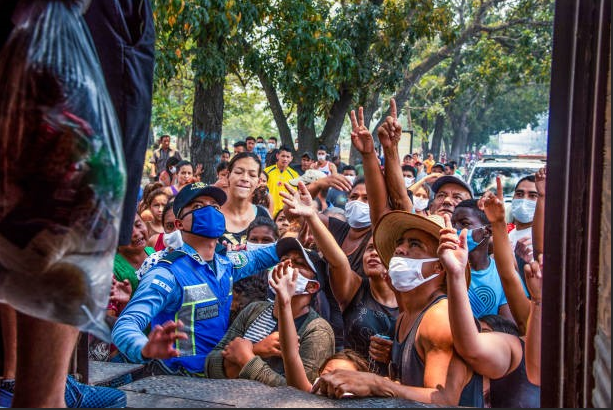
When a crisis hits, people often donate within minutes, hoping their contribution reaches those who need help most. But what actually happens after you click “donate”? A humanitarian aid donation may help fund food, clean water, emergency shelter, medical supplies, transportation, local staff, and the systems needed to deliver assistance safely. The process is more complex than simply moving money from a donor to a family in need.
Different organizations use funds in different ways, and timing, logistics, access, and local conditions all matter. Let’s take a look at where the aid donations go during a crisis in the blog below:
Key Takeaways
- Donations may go directly to NGOs or into coordinated emergency funds.
- Aid agencies first assess what affected communities need most.
- Funds can be passed to local partners and frontline responders.
- Organizations may buy supplies locally when markets are still functioning.
- Some donations are delivered as cash assistance instead of physical goods.
- Longer crises may also require education support and recovery programs.
Where Does a Humanitarian Aid Donation Go During a Crisis
-
Donations Are Collected and Pooled
The first step is getting money into a system that can respond quickly.
Some people donate directly to a humanitarian organization during an emergency appeal. Others may contribute to pooled funding mechanisms that combine money from governments, businesses, institutions, and individual donors.
One example is the UN Central Emergency Response Fund, or CERF. It helps release money quickly for urgent humanitarian responses. Donations can also go directly to major NGOs that already have teams, suppliers, local partners, and programs operating near the affected area.
This matters because a humanitarian aid donation is often most useful when it reaches an organization that already understands the local situation and can move resources quickly.
Organizations Assess What People Actually Need
Before money is spent, humanitarian teams assess what affected communities need most.
That may include:
- Food
- Drinking water
- Emergency shelter
- Medical care
- Nutrition services
- Hygiene supplies
- Protection services
- Sanitation services
Different organizations also coordinate with one another so they do not all deliver the same help to one area while another community receives little support.
This coordination is especially important in large or complex emergencies. Needs can vary greatly between locations, and they may also change from week to week.
-
Funds Go to Frontline Responders
Once the main needs are clear, funds are directed toward organizations that can provide support on the ground.
This may include international agencies, national organizations, local NGOs, healthcare providers, or community-based groups.
Local partners are often especially important because they understand the language, geography, culture, and daily realities of the communities they serve.
In places dealing with prolonged hardship, including areas affected by Somalia’s poverty, local organizations may help identify vulnerable households, arrange distributions, and connect families with food, water, shelter, healthcare, and other urgent services.
This makes local knowledge a major part of effective humanitarian aid.
-
Supplies Are Purchased
After funding is allocated, organizations begin purchasing what the response requires.
This may include food, medicine, hygiene kits, blankets, temporary shelter materials, water containers, and other essential goods.
Whenever practical, organizations may purchase supplies locally or regionally. This can reduce transport time and may help support functioning local markets.
However, local purchasing is not always possible. A disaster may damage supply chains, create shortages, or make local goods too expensive. In those cases, supplies may need to come from another region or country.
The decision depends on availability, cost, quality, urgency, and local market conditions.
-
Aid Is Transported to the Crisis Area
Buying supplies is only part of the process. They still have to reach affected communities.
Humanitarian organizations may need funding for:
- Trucks
- Fuel
- Warehouses
- Drivers
- Storage
- Distribution centers
- Customs processing
- Security planning
- Local transportation
Roads may be damaged. Border crossings may be delayed. Conflict may make certain routes unsafe.
This is why logistics is a necessary part of a humanitarian aid donation. Food, medicine, or hygiene supplies cannot help people if there is no safe and reliable way to deliver them.
-
Families Receive Supplies or Cash Assistance
The final form of aid can vary.
Some families receive physical supplies such as food packages, drinking water, medicine, blankets, or hygiene kits.
Others may receive cash transfers or vouchers.
Cash assistance can be useful when local markets are still operating. It gives families more control over what they need most.
One household may need food. Another may need medicine, transportation, clothing, or household items.
Direct support can therefore include:
- Food distributions
- Emergency cash
- Vouchers
- Medical treatment
- Clean water
- Shelter materials
- Hygiene supplies
- Nutrition services
The best form of humanitarian aid depends on the crisis and local conditions.
-
Longer Crises May Require Education Support
Some emergencies last for months or even years.
When families are displaced for long periods, children may lose regular access to school. In these cases, humanitarian programs may include education support alongside food, shelter, healthcare, and protection.
Support may include temporary learning spaces, school supplies, teacher assistance, safe transportation, or programs for displaced children.
This type of education support can help children maintain routine and continue learning during unstable periods.
Longer emergencies may also require repairs to water systems, healthcare access, housing, and other community services.
-
Part of the Donation Supports Delivery Systems
Not every dollar goes directly toward a physical item.
Effective aid requires trained staff, financial systems, transportation, monitoring, security, technology, and fraud-prevention measures.
Organizations may also need accountants, logistics workers, translators, drivers, healthcare staff, and local coordinators.
These costs are part of delivering humanitarian aid responsibly.
The key issue is transparency. Donors should be able to see how an organization uses its funds and how much is spent on programs, operations, and administration.
-
Organizations Monitor What Happens Next
The process does not end after supplies are distributed.
Organizations track spending, monitor distributions, gather feedback, and adjust programs as needs change.
For example, the first stage of a crisis may focus on food, water, and shelter. Later, the priority may shift toward sanitation services, healthcare, education support, housing repairs, or livelihood recovery.
This flexibility matters because humanitarian crises are rarely static.
A good response changes as the situation changes.
Conclusion
A humanitarian aid donation passes through several stages before it reaches people affected by a crisis. Funds may be collected by an NGO or pooled emergency fund, allocated according to assessed needs, passed to frontline responders, used to purchase supplies, and then delivered through local distribution systems.
The donation may support food, shelter, medical care, clean water, sanitation services, cash assistance, logistics, local staff, or education support.
The exact path differs from one crisis to another, but the goal remains the same: move resources to affected people as safely, quickly, and effectively as possible.
Support meaningful humanitarian efforts today through World Poverty Solutions and help communities facing hardship.
FAQs
What is a humanitarian aid donation?
A humanitarian donation is financial or material assistance given to organizations that respond to disasters, conflicts, displacement, food shortages, and other serious emergencies.
How do humanitarian organizations decide where donations go?
Organizations usually assess the urgency of needs, the number of people affected, available local resources, access conditions, and existing response capacity before allocating funds.
Are humanitarian donations only used during natural disasters?
No. Humanitarian assistance may also respond to armed conflict, displacement, food insecurity, disease outbreaks, severe economic hardship, and other emergencies affecting basic needs.
Can humanitarian organizations use donations for operational costs?
Yes. Some funds may support transportation, storage, staffing, communication, coordination, and other operational requirements necessary to deliver assistance effectively.
How can donors choose a humanitarian organization?
Donors can review an organization’s transparency, financial reporting, program information, accountability practices, experience, and information about how contributions are allocated.