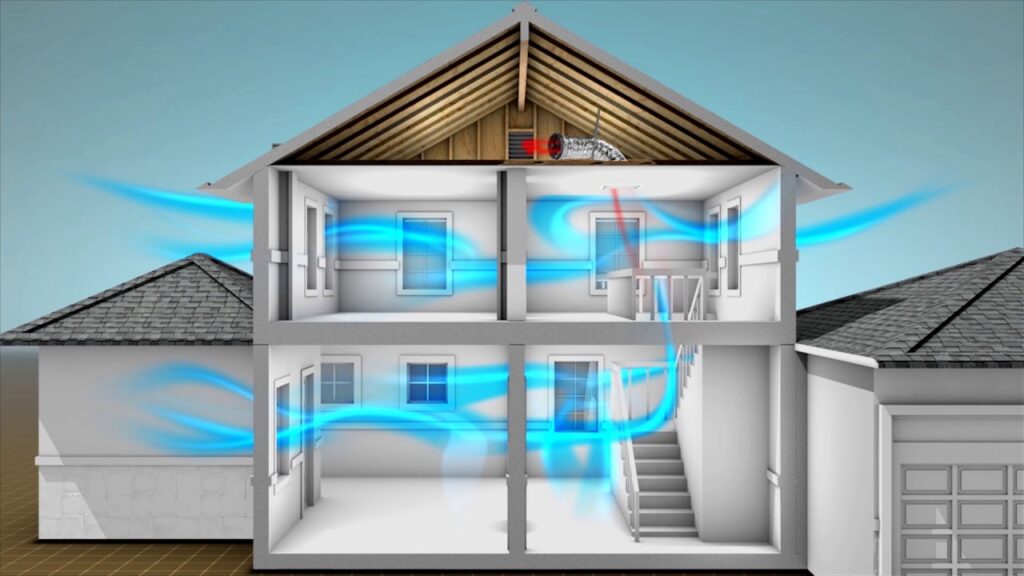
A whole house ventilation system is designed to provide consistent and controlled air exchange across different areas of a residential property. By replacing stale indoor air with fresh outdoor air, these systems can help manage airborne pollutants, excess humidity, and unwanted odours while supporting more comfortable indoor conditions. Heat recovery functionality can further improve ventilation efficiency by transferring useful thermal energy between outgoing and incoming air, helping reduce unnecessary heat loss and maintain more stable indoor temperatures.
As energy-conscious residential design continues to receive greater attention, whole-house ventilation provides a practical way to combine fresh-air management with efficient operation. Controlled airflow can help create a healthier indoor environment while limiting avoidable energy consumption associated with conventional ventilation. The integration of ventilation, thermal recovery, and temperature management makes these systems a suitable consideration for modern homes seeking greater indoor comfort and responsible energy use.
Whole-House Ventilation and More Efficient Residential Energy Use
Whole-house ventilation can support residential energy performance by maintaining regular and controlled air exchange across the property. Stale indoor air is removed as fresh outdoor air enters, helping manage indoor pollutants while limiting unnecessary ventilation-related energy losses. This can be particularly relevant in tightly constructed homes where natural air leakage may be limited. Systems incorporating heat recovery can further reduce thermal losses by transferring usable energy between outgoing and incoming air, helping maintain comfortable conditions without placing unnecessary demand on heating and cooling equipment.
Ventilation can also complement insulation by helping regulate indoor humidity. Excess moisture may affect building materials and influence thermal performance when not adequately managed. Consistent air exchange can additionally reduce the concentration of airborne pollutants within occupied spaces. Together, these functions demonstrate how appropriately designed ventilation can support comfortable residential environments while encouraging more considered and efficient household energy use.
Creating Stable Indoor Conditions through Balanced Air Exchange
Balanced ventilation maintains a controlled relationship between incoming fresh air and outgoing stale air, helping establish more consistent airflow throughout a property. Maintaining appropriate air balance can reduce unwanted pressure differences that may contribute to draughts or allow uncontrolled outdoor air infiltration. Stable airflow can also help moderate the workload placed on heating and cooling equipment, supporting more efficient household climate management.
Regular air movement contributes to moisture control by helping remove excess humidity before it creates conditions that may affect insulation or encourage dampness. Continuous circulation can also assist in reducing concentrations of allergens and other airborne contaminants. By distributing and exchanging air consistently across different areas of a home, balanced ventilation can contribute to indoor comfort while supporting more energy-conscious residential operation.
Heat Ventilation for Consistent Temperature and Air Quality
Heat ventilation combines controlled air exchange with thermal recovery to create a more efficient approach to residential ventilation. A heat exchanger transfers thermal energy between outgoing indoor air and incoming outdoor air, allowing fresh air to enter at a temperature closer to the existing indoor conditions. This process can reduce the amount of heating or cooling required to bring replacement air to a comfortable level.
At the same time, ventilation helps remove excess moisture, airborne particles, and other unwanted indoor contaminants. Regular air exchange can support more controlled humidity levels while helping maintain fresher indoor conditions. Combining thermal recovery with managed airflow demonstrates how heat-ventilation systems can address both air quality and energy considerations within residential environments.
Controlling Residential Air Exchange for Lower Energy Demand
Regulated ventilation allows the rate of indoor and outdoor air exchange to correspond with the requirements of a residential property. Introducing fresh air at controlled levels can help avoid unnecessary ventilation losses while maintaining appropriate indoor air quality. Efficient airflow management may also reduce the amount of work required from heating and cooling systems, supporting more measured household energy consumption and potentially lowering operating demands.
Controlled circulation can assist with maintaining suitable humidity levels while helping protect interior materials from excessive moisture. It also supports the removal of stale air and airborne pollutants from living spaces. By providing the required level of air exchange without excessive airflow, managed ventilation can contribute to efficient residential operation and support home designs focused on responsible resource use.
Recovering Thermal Energy during Residential Ventilation
Heat recovery and ventilation systems help preserve usable thermal energy by transferring heat between outgoing indoor air and incoming outdoor air. During the exchange process, recovered energy can be used to precondition incoming fresh air before it enters occupied areas. This reduces the amount of additional heating or cooling required to maintain suitable indoor temperatures and can limit energy losses associated with conventional ventilation.
Lower temperature-conditioning requirements can contribute to more efficient household energy use while helping maintain consistent indoor comfort. Heat recovery systems can also provide ongoing air exchange that assists with humidity management and indoor air quality. Integrating thermal recovery with controlled ventilation therefore provides a practical approach to balancing fresh-air requirements, energy conservation, and comfortable residential conditions.
Fresh-Air Movement for Greater Residential Comfort
Fresh-air circulation contributes to healthier indoor conditions by providing a steady supply of clean, oxygen-rich air throughout a property. This process assists in removing airborne contaminants, including dust, allergens, and unwanted odours, creating a more comfortable living environment. By controlling airflow, fresh-air circulation also helps manage humidity, reducing the likelihood of condensation and mould that may affect both structural conditions and household comfort.
Consistent air movement can also help maintain stable indoor temperatures, reducing dependence on heating and cooling equipment. This balance improves thermal comfort while supporting greater energy efficiency. Well-designed ventilation systems with effective fresh-air circulation establish suitable conditions for everyday living by balancing air quality, temperature control, and moisture management within modern homes.
Recovering Indoor Thermal Energy for Greater Residential Efficiency
A heat energy recovery system captures usable thermal energy from outgoing indoor air and transfers it to incoming fresh air, helping reduce the heat lost through regular ventilation. Heat exchangers facilitate this transfer while keeping the incoming and exhaust airstreams separate, allowing fresh-air exchange to occur without directly mixing the two airflows. Preconditioning replacement air can reduce the amount of heating or cooling required after it enters the property, potentially supporting lower energy demand and operating costs.
Maintaining more stable indoor temperatures can also contribute to greater comfort when outdoor conditions fluctuate significantly. Controlled ventilation may assist with humidity management while continuously replacing stale indoor air. Combining thermal recovery with regulated airflow provides a practical way for residential properties to improve energy efficiency while supporting comfortable and well-ventilated living environments.
Responsive Ventilation Management with Smart Controls
Smart ventilation technologies use sensors, monitoring systems, and automated controls to adjust airflow according to changing indoor conditions. Sensors can measure factors such as humidity, carbon dioxide levels, and temperature, allowing ventilation rates to respond to the actual requirements of different areas within a home. This responsive approach can help prevent unnecessary air exchange while maintaining suitable indoor air quality and comfort.
Some systems can also interact with broader home automation technologies, allowing ventilation to operate alongside other energy-management equipment. Automatically adjusting airflow according to occupancy or environmental conditions can help reduce avoidable ventilation losses while supplying fresh air when required. Smart controls may additionally support moisture regulation and the removal of indoor pollutants. Responsive ventilation therefore provides a more adaptable method of managing residential airflow while keeping energy efficiency in consideration.
Mechanical Heat Recovery Units for Controlled Residential Airflow
A mechanical heat recovery unit improves ventilation performance by transferring thermal energy between outgoing indoor air and incoming fresh air. The integrated heat exchanger enables this energy transfer while keeping the two airstreams separate, helping preserve indoor air quality while limiting unnecessary thermal losses. Incoming air can be preheated or precooled before entering occupied areas, reducing the workload required from conventional heating and cooling equipment and helping maintain steadier indoor temperatures.
Continuous operation can also contribute to moisture management by removing humid indoor air and helping reduce conditions associated with condensation and dampness. At the same time, stale air and indoor pollutants can be expelled while fresh air is introduced throughout the property. Combining controlled ventilation with thermal recovery allows mechanical heat recovery units to support energy-conscious airflow management and comfortable conditions within contemporary residential spaces.
The Importance of Filtration and Airflow Control in Ventilation
Effective filtration and precise airflow control are central to the functionality of modern ventilation systems, ensuring clean and well-regulated air circulation within a property. Advanced filtration mechanisms capture fine particles, allergens, and pollutants from incoming air, preventing their entry into indoor spaces and supporting healthier living conditions. Meanwhile, accurate airflow control ensures that air is distributed evenly throughout the property, avoiding areas of stagnant air or over-ventilation.
This balance prevents unnecessary energy expenditure and aids in maintaining stable indoor humidity levels, which is essential for both comfort and the preservation of structural materials. By working together, filtration and airflow control enhance the overall performance of ventilation systems, promoting efficient energy use while maintaining a comfortable and pollutant-free indoor environment.
Year-Round Indoor Comfort with a Full House Ventilation System
A full house ventilation system provides ongoing air exchange across a residential property, helping maintain consistent indoor airflow as outdoor conditions change throughout the year. Fresh outdoor air is introduced while stale indoor air is removed, supporting suitable indoor air quality and reducing the buildup of unwanted moisture and pollutants. Systems incorporating heat exchangers can also recover thermal energy from outgoing air and transfer it to incoming fresh air, reducing the energy required to bring replacement air closer to the desired indoor temperature.
Continuous ventilation can contribute to more controlled humidity and temperature levels, supporting comfortable conditions during both warmer and cooler seasons. Thermal recovery further helps limit unnecessary energy losses associated with conventional air exchange. Consistent distribution of fresh air throughout different areas of the property can also reduce stagnant zones, uneven airflow, and unwanted draughts. This combination of controlled ventilation and thermal efficiency can support a more balanced and comfortable residential environment throughout changing seasonal conditions.
Conclusion
Whole-house ventilation systems support modern residential environments by maintaining steady airflow and helping manage indoor air quality. Technologies such as heat recovery and automated controls can improve system efficiency by reducing unnecessary thermal losses while sustaining regular air exchange. Distributing fresh air throughout a property can assist in removing stale air and airborne pollutants while contributing to more balanced indoor conditions. With appropriate design and modern ventilation features, whole house ventilation systems can support energy-conscious living while addressing the airflow and comfort needs of contemporary households.
FAQs
How does a whole house ventilation system maintain indoor air quality?
A whole house ventilation system maintains continuous air exchange across the property, helping remove stale air, airborne pollutants, and excess moisture while introducing fresher air into residential spaces.
How does heat recovery improve ventilation efficiency?
Heat recovery transfers thermal energy from outgoing indoor air to incoming outdoor air, helping reduce heat loss and limiting the energy required to maintain comfortable indoor temperatures.
Why is controlled air exchange useful in residential properties?
Controlled air exchange helps regulate the movement of fresh and stale air throughout a property. This can support consistent ventilation while reducing unnecessary energy use and maintaining comfortable indoor conditions.
What makes humidity management important in ventilation?
Effective humidity management can help limit excessive moisture and reduce conditions associated with condensation and mould. Maintaining suitable humidity levels also contributes to building protection and indoor comfort.
Can filtration enhance the performance of ventilation systems?
Filtration can remove airborne particles such as dust, allergens, and other contaminants from incoming or circulating air. This can contribute to cleaner airflow and improved indoor air conditions across residential areas.
| Related Business Listings |
| Contact Directory |
| Local Business Profiles |

