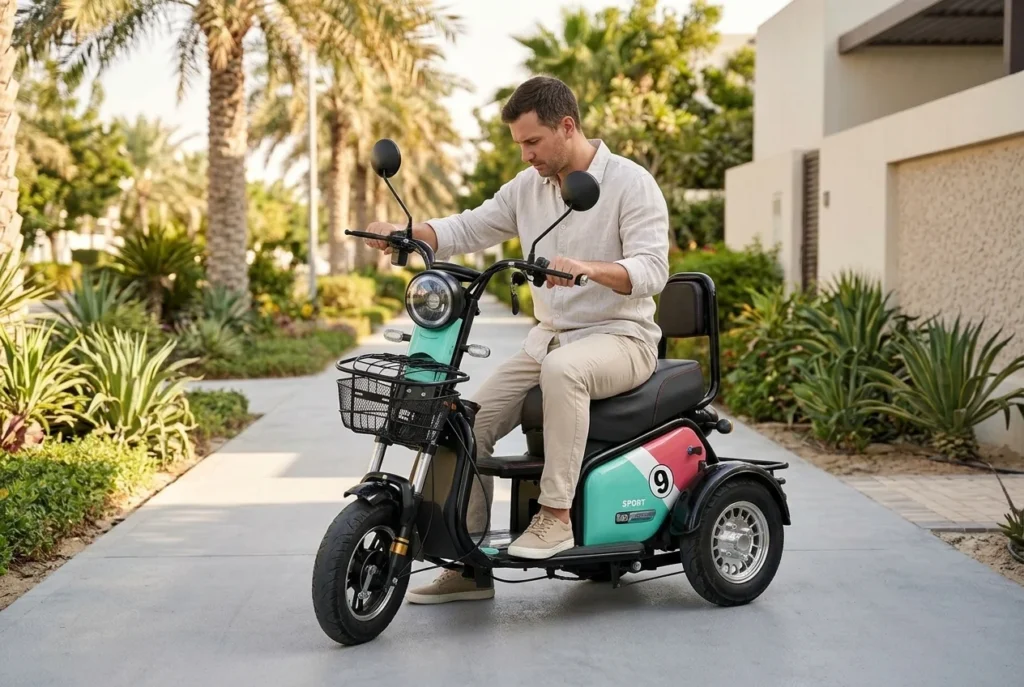
Electric trikes make everyday travel more convenient, but experiencing a sudden loss of power while riding can be frustrating. You may notice that the vehicle starts slowing down, struggles to move uphill or stops responding properly when you press the throttle. These problems can happen for several reasons, including battery issues, motor faults, loose electrical connections or overheating. Understanding the possible causes can help you identify the problem and decide when professional repair is needed.
1. Low or Weak Battery Charge
One of the most common reasons for losing power is a low battery. When the battery does not have enough charge, the motor may not receive sufficient energy to maintain its normal performance.
You might notice:
- Reduced speed during the ride.
- Slower acceleration.
- Difficulty travelling uphill.
- Battery warning lights appearing on the display.
- Sudden power reduction when using the throttle.
Sometimes, the battery indicator may show more charge than is actually available. An old or damaged battery may not hold energy properly, even after a full charge.
What can you do?
Fully charge the battery using the recommended charger. If the problem continues even after charging, have the battery tested to check its actual condition and capacity.
2. Battery Overheating
High temperatures can affect battery performance. When the battery becomes too hot, its protection system may reduce the power output to prevent damage.
This can happen during long rides, especially in hot weather or when the vehicle is carrying a heavy load.
Common warning signs include:
- Power becoming weaker after riding for some time.
- Sudden reduction in speed.
- The battery feeling unusually hot.
- Charging or temperature warnings appearing on the display.
What can you do?
Stop riding and allow the battery to cool naturally in a shaded, well-ventilated area. Do not cover it while cooling or try to cool it with water. If it repeatedly overheats, arrange a professional inspection.
3. Motor Problems
The motor is responsible for converting electrical energy into movement. If it develops a fault, the vehicle may struggle to maintain speed or respond properly to the throttle.
Some common motor-related problems include damaged internal components, overheating, worn bearings or electrical faults.
You may notice:
- Unusual grinding or humming sounds.
- Reduced acceleration.
- Jerking movements.
- Difficulty moving on slopes.
- Power cutting off unexpectedly.
What can you do?
Check for visible damage around the motor area and listen for unusual sounds. Avoid opening the motor yourself unless you have the required technical knowledge. A qualified technician can test the motor and identify the faulty component.
4. Loose or Damaged Electrical Connections
The battery, motor, controller and throttle are connected through electrical wires. If one of these connections becomes loose or damaged, the flow of electricity may be interrupted.
This can cause the vehicle to lose power suddenly, even when the battery is fully charged.
Possible signs include:
- Power cutting in and out.
- Display lights turning off unexpectedly.
- Throttle response becoming inconsistent.
- Problems appearing after riding on bumpy roads.
What can you do?
Turn off the vehicle and inspect accessible cables for visible damage or loose connectors. Do not touch exposed wires or attempt electrical repairs without proper knowledge. Ask a technician to check the wiring and connections if the issue continues.
5. Controller Malfunction
The controller is an important electronic component that manages how power moves from the battery to the motor. It receives information from different parts of the vehicle and controls motor operation.
A properly functioning controller is important for maintaining smooth power delivery in an electric tricycle, especially during acceleration and uphill riding.
If the controller develops a fault, the motor may not receive the correct power.
Some possible signs are:
- Sudden power loss.
- Delayed throttle response.
- Irregular acceleration.
- Error messages on the display.
- The motor stopping even when the battery has charge.
What can you do?
Check whether the display shows an error code and consult the manufacturer’s manual. A technician can use suitable testing equipment to determine whether the controller needs repair or replacement.
6. Overloading the Vehicle
Every model has a recommended weight limit. Carrying more weight than the manufacturer allows can place additional pressure on the motor and battery.
This can make acceleration slower and reduce the distance the vehicle can travel on a single charge.
Overloading may also affect braking, tyre performance and overall stability.
What can you do?
Check the maximum weight capacity mentioned in the product specifications. Keep the total load within the recommended limit and distribute weight evenly.
7. Brake Problems
Sometimes, a vehicle may feel like it is losing motor power when the actual problem is related to the brakes.
If the brakes are not releasing properly, they can create extra resistance and make movement difficult.
Look for these signs:
- The vehicle feels harder to move.
- Wheels do not rotate freely.
- Unusual rubbing or grinding sounds.
- Brakes become unusually hot after a short ride.
What can you do?
Check whether the brakes are releasing properly. If you notice constant resistance or unusual heat, stop using the vehicle and arrange a brake inspection. Do not continue riding with a potentially stuck braking system.
8. Low Tyre Pressure
Tyres with insufficient air pressure create more rolling resistance. This means the motor has to work harder to move the vehicle.
As a result, acceleration may feel weaker and battery power may decrease faster than usual.
Check for:
- Soft or visibly underinflated tyres.
- Uneven tyre wear.
- Cracks or other visible damage.
- Pressure below the manufacturer’s recommended level.
Maintain the correct tyre pressure and inspect the tyres regularly.
9. Riding on Difficult Road Surfaces
The type of road can also affect performance. Steep hills, loose sand, rough paths and uneven surfaces require more effort from the motor.
If you frequently ride on difficult terrain, you may notice reduced speed and faster battery consumption.
What can you do?
Choose smoother routes whenever possible. Reduce speed on difficult surfaces and avoid pushing the motor beyond the vehicle’s recommended capabilities.
How to Troubleshoot Sudden Power Loss
If your vehicle loses power during a ride, follow these basic steps:
- Stop safely: Move away from traffic and switch off the vehicle.
- Check the battery: Look at the charge level and any warning indicators.
- Inspect the tyres: Make sure they are properly inflated and not damaged.
- Check for overheating: Allow the battery and motor to cool if they are unusually hot.
- Look for visible wiring damage: Do not touch exposed or damaged electrical connections.
- Check the display: Note any error codes or warning messages.
- Arrange professional help: If the problem continues, have the battery, motor and controller inspected.
Never continue riding if the vehicle repeatedly cuts out, produces burning smells or shows signs of battery damage.
Final Thoughts
Losing power during a ride does not always mean that a major component has failed. Sometimes, the reason is as simple as a low battery, incorrect tyre pressure or an overloaded vehicle. However, repeated power interruptions can indicate a more serious electrical or mechanical problem.
Regular inspections, proper charging habits and following the manufacturer’s weight and riding recommendations can help prevent many common issues.
If you are comparing adult mobility options, ToysUAE offers a selection of electric mobility products through its online store. Before choosing a model, check its battery specifications, motor power, weight capacity and maintenance requirements to find an option that suits your needs.
Frequently Asked Questions (FAQs)
1. Why does my vehicle suddenly stop while riding?
A low battery, loose electrical connection, controller fault or overheating can cause sudden power loss. Check the display for warning messages and arrange an inspection if the problem continues.
2. Can a weak battery cause reduced speed?
Yes. An old or damaged battery may not provide enough power to maintain normal speed, even when the display shows some remaining charge.
3. Why does my vehicle lose power when going uphill?
Travelling uphill requires more motor power. A low battery, heavy load or motor limitation can make it difficult to maintain speed on slopes.
4. Can hot weather affect battery performance?
Yes. High temperatures can affect battery efficiency and may activate built-in protection systems that reduce power output.
5. How do I know if the motor is damaged?
Unusual noises, weak acceleration, jerking movements and repeated power interruptions may indicate a motor problem. A professional inspection is needed to confirm the cause.
6. Can incorrect tyre pressure reduce performance?
Yes. Underinflated tyres increase rolling resistance, making the motor work harder and using more battery energy.
7. Should I continue riding if the power keeps cutting off?
No. Repeated power interruptions can create safety risks, especially around traffic. Stop in a safe place and have the vehicle inspected before using it again.