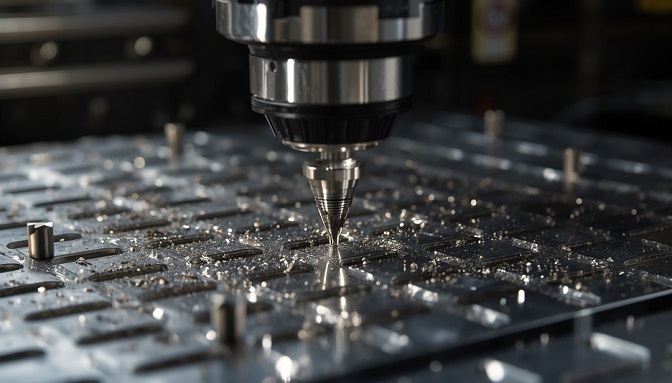
In modern CNC machining, precision, efficiency, and consistency are critical for achieving high-quality manufacturing results. One of the most important factors influencing machining performance is the quality of the cutting tools being used. Among these tools, End milling cutters play a major role in determining surface finish, dimensional accuracy, production speed, and overall operational efficiency.
Whether used in aerospace, automotive, mold manufacturing, or general metalworking, selecting high-quality end mills can significantly improve machining outcomes while reducing production costs. Poor-quality tools, on the other hand, often lead to tool breakage, excessive wear, machine downtime, and inconsistent results.
Understanding End Milling Operations
End milling is a machining process that removes material using rotating cutting tools called end mills. These tools are widely used in CNC milling machines for operations such as slotting, profiling, contouring, and face milling.
Because end milling operations involve high cutting forces and continuous tool engagement, the quality of the tool directly impacts machining performance. High-performance End milling cutters are specifically designed to withstand heat, vibration, and friction while maintaining cutting precision.
Why Tool Quality Is Important in CNC Milling
1. Improved Surface Finish
One of the biggest advantages of using premium-quality End milling cutters is the ability to achieve a smooth and accurate surface finish. High-quality tools feature superior edge geometry and advanced coatings that reduce vibration and chatter during machining.
A better surface finish not only improves product quality but also reduces the need for secondary finishing operations, saving both time and production costs.
2. Longer Tool Life
Tool wear is a common challenge in CNC machining. Inferior cutting tools wear out quickly due to poor material composition and inadequate heat resistance. High-quality carbide end mills, however, are engineered to handle demanding machining conditions.
Advanced coatings such as TiAlN and AlCrN help increase wear resistance, allowing precision cutting tools to maintain performance for longer periods. This reduces the frequency of tool replacements and minimizes machine downtime.
3. Higher Machining Accuracy
Accuracy is essential in industries where tight tolerances are required. Premium End milling cutters provide greater dimensional stability and consistent cutting performance, resulting in improved machining accuracy.
Low-quality tools may deflect during cutting, causing dimensional errors and poor-quality components. Investing in reliable CNC cutting tools helps manufacturers maintain consistent production standards.
4. Increased Productivity
In high-volume manufacturing environments, productivity is directly linked to profitability. High-performance end mills allow operators to run machines at higher cutting speeds and feed rates without compromising tool life.
This means faster material removal rates, shorter cycle times, and improved overall production efficiency. For manufacturers focused on optimizing CNC machining operations, tool quality becomes a critical investment rather than an expense.
5. Reduced Machine Downtime
Unexpected tool failure can disrupt production schedules and increase operational costs. Poor-quality tools are more likely to chip, crack, or break under stress.
Using durable carbide end mills reduces the risk of sudden failure and improves machining reliability. As a result, manufacturers experience less downtime and more stable production processes.
The Role of Tool Material in End Milling
The material used in manufacturing end mills has a major impact on performance. Solid carbide tools are widely preferred because of their hardness, heat resistance, and durability.
Common tool materials include:
- High-Speed Steel (HSS)
- Solid Carbide
- Cobalt Steel
- Ceramic Cutting Tools
Among these options, carbide-based End milling cutters are considered ideal for high-speed CNC machining due to their superior wear resistance and cutting efficiency.
Importance of Tool Coatings
Modern CNC machining relies heavily on coated cutting tools to improve performance. Tool coatings help reduce friction, minimize heat buildup, and extend tool life.
Popular coatings used in CNC milling tools include:
- Titanium Aluminum Nitride (TiAlN)
- Titanium Nitride (TiN)
- Aluminum Chromium Nitride (AlCrN)
These coatings enhance the durability of industrial cutting tools, especially when machining hard metals and high-temperature alloys.
Choosing the Right End Milling Cutters
Selecting the correct end mill depends on several factors, including:
- Workpiece material
- Cutting speed
- Feed rate
- Machining application
- Surface finish requirements
Manufacturers should always choose tools that match the specific machining operation. Using high-quality End milling cutters designed for the application helps maximize tool performance and machining efficiency.
Final Thoughts
In today’s competitive manufacturing industry, tool quality plays a critical role in achieving precision, productivity, and cost efficiency. High-quality End milling cutters not only improve machining accuracy and surface finish but also reduce downtime, extend tool life, and increase overall operational performance.
As CNC machining technology continues to evolve, investing in premium cutting tools has become essential for manufacturers looking to maintain high production standards and long-term profitability. Choosing the right precision machining tools can make a significant difference in both product quality and operational success.