Homemade cookies are loved for their fresh taste, soft texture, and comforting aroma. Small baking mistakes, however, can quickly affect their flavor, appearance, and freshness. Many home bakers overlook simple details that make a big difference. Whether baking for family, gifts, or ordering cookies online, understanding these common errors helps create cookies that stay delicious, attractive, and enjoyable for much longer.
Measure Ingredients Correctly Every Time
Accurate measuring is the foundation of successful cookies. Adding too much flour often creates dry and crumbly cookies, while extra butter can cause excessive spreading. Measuring cups should be leveled instead of packed unless the recipe clearly states otherwise. Kitchen scales offer better precision for dry ingredients and reduce guesswork. Reading the complete recipe before starting also prevents missed ingredients or incorrect amounts. Careful preparation leads to consistent texture, balanced flavor, and reliable baking results every single time.
Choose the Right Mixing Method
Mixing ingredients incorrectly changes the final texture of cookies. Overmixing develops too much gluten, producing dense and chewy cookies instead of tender ones. Creaming butter and sugar properly introduces air that helps cookies bake evenly. Eggs should be added one at a time to maintain a smooth batter. Dry ingredients need gentle folding until just combined. Following the recommended mixing order keeps the dough balanced and helps cookies develop the intended softness, crispness, or chewiness.
Pay Attention to Baking Temperature
Incorrect oven temperature is a common reason cookies fail. Many home ovens run hotter or cooler than the displayed setting, making an oven thermometer a valuable tool. Proper preheating ensures cookies bake evenly from the start. Placing baking trays too close together restricts airflow and causes uneven browning. Rotating trays halfway through baking helps produce consistent color. Removing cookies at the right moment prevents dry edges and preserves a soft center that continues setting as they cool.
Use Fresh and Quality Ingredients
Fresh ingredients have a major impact on cookie quality. Expired baking powder or baking soda reduces proper rise, leading to flat or dense cookies. Old flour may develop unpleasant flavors, and stale nuts lose their natural crunch. Butter should be fresh and stored correctly to maintain rich taste. Pure vanilla extract also provides better flavor than artificial alternatives. Checking ingredient freshness before baking improves aroma, texture, appearance, and the overall eating experience without requiring complicated techniques.
Cool and Store Cookies the Right Way
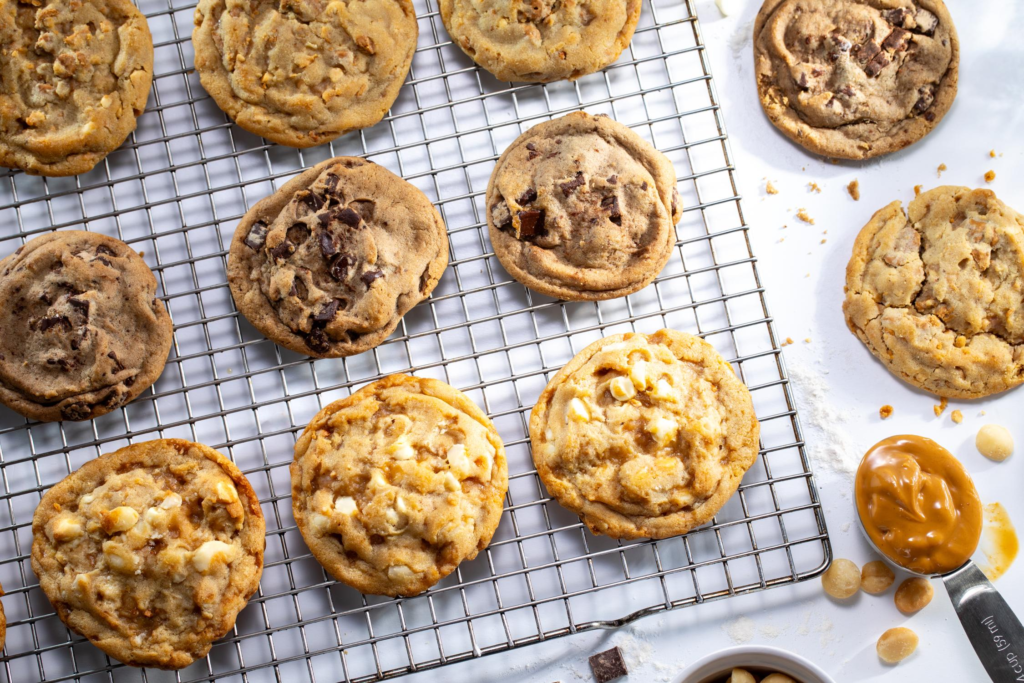
Proper cooling is just as important as baking. Cookies should remain on the baking tray briefly before moving to a cooling rack, allowing them to firm without becoming soggy. Storing warm cookies inside containers traps moisture and softens crisp varieties. Airtight containers protect freshness and prevent exposure to air. Separating soft and crunchy cookies avoids texture changes. Adding parchment paper between layers also helps preserve their shape and attractive appearance during storage.
Simple Steps to Avoid Cookie Mistakes
Following a consistent routine greatly improves baking results. Keep these practical tips in mind every time you prepare cookies:
- Read the complete recipe before beginning.
- Measure ingredients accurately using proper tools.
- Preheat the oven completely.
- Use fresh baking ingredients.
- Avoid overmixing the dough.
- Chill dough when recommended.
- Leave enough space between cookies.
- Watch baking time carefully.
- Cool cookies on a wire rack.
- Store cookies in airtight containers.
Practice and Learn from Every Batch
Every batch of cookies provides valuable experience. Keeping notes about ingredient brands, oven temperature, baking time, and dough consistency makes future batches even better. Small adjustments often solve recurring problems without changing the entire recipe. Patience also plays an important role because baking combines science with practice. Comparing results helps identify successful techniques and areas needing improvement. Consistent attention to detail gradually builds confidence, leading to homemade cookies with excellent flavor, attractive appearance, and dependable quality.
Conclusion
Homemade cookies can quickly lose their appeal because of small but avoidable mistakes. Accurate measuring, careful mixing, proper baking temperatures, fresh ingredients, and correct storage all contribute to consistently delicious results. Following proven baking practices and learning from each batch helps prevent common problems before they happen. Great cookies are created through careful preparation rather than complicated methods, making every baking session more rewarding and every cookie more enjoyable to share with family and friends.