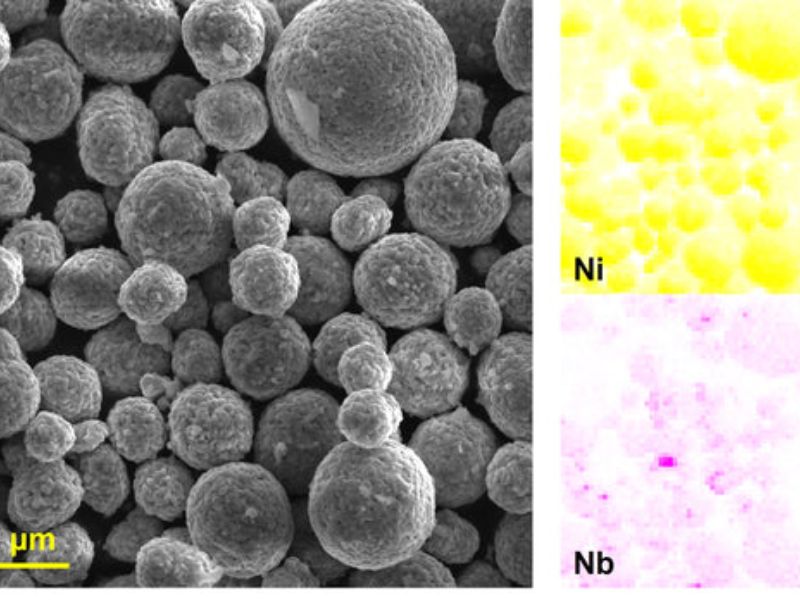
The demand for reliable, high-performance batteries continues to grow as electric vehicles, energy storage systems, and portable electronic devices become more common. At the heart of many lithium-ion batteries is the cathode material, which plays an important role in determining energy density, battery life, safety, and overall performance. For manufacturers and researchers, choosing a dependable NMC cathode powder supplier is an important step toward developing better battery technologies. Ampcera supports battery innovation through advanced materials and solutions for next-generation energy storage. Understanding the properties of NMC materials, their applications, and the factors involved in material selection can help businesses make informed decisions and improve their battery development processes.
What Is NMC Cathode Powder?
NMC stands for nickel manganese cobalt. It is a widely used cathode material in lithium-ion batteries. The three metals work together to provide a balance of energy capacity, structural stability, and performance.
Each element contributes specific properties:
- Nickel: Helps increase energy density and battery capacity.
- Manganese: Supports structural stability and thermal performance.
- Cobalt: Helps improve material stability and electrochemical performance.
NMC cathode materials are available in different compositions. Common examples include NMC111, NMC532, NMC622, and NMC811. The numbers represent the relative proportions of nickel, manganese, and cobalt in the material.
The right composition depends on the battery’s intended application, performance requirements, manufacturing process, and cost considerations.
Why Is NMC Cathode Material Important?
Cathode materials have a direct influence on how a lithium-ion battery performs. NMC materials are popular because they offer a useful combination of energy density, power capability, and cycle life.
Their key benefits include:
- High energy density: Certain NMC compositions can store substantial energy in a relatively compact space.
- Good performance: They can support applications that require consistent charging and discharging.
- Flexible composition: Different metal ratios allow manufacturers to select materials for specific requirements.
- Wide application range: NMC materials are used in electric vehicles, consumer electronics, and energy storage technologies.
- Established manufacturing experience: NMC chemistry has a substantial industrial and research history.
These properties make NMC an important option for battery developers working to improve energy storage performance.
How to Choose a Reliable NMC Cathode Powder Supplier?
Selecting a suitable NMC cathode powder supplier requires more than comparing product prices. Material quality, consistency, technical information, and communication can all influence the success of battery development.
Before choosing a supplier, consider the following factors.
1. Material Quality and Purity
The quality of cathode powder can affect battery performance and manufacturing consistency. Impurities, unwanted moisture, and variations in material composition may create challenges during electrode preparation and cell testing.
Ask for relevant technical specifications and available material characterization data. Depending on the product, useful information may include chemical composition, particle size distribution, moisture content, and other quality parameters.
2. Consistency Between Batches
Consistency is important when moving from laboratory experiments to larger production volumes. Significant differences between material batches can make it difficult to compare test results and maintain stable manufacturing conditions.
A reliable supplier should have suitable quality control procedures and provide clear product documentation.
3. Technical Documentation
Technical documents help researchers and manufacturers understand whether a material is suitable for their process.
Look for information such as:
- Chemical composition and metal ratios
- Particle size and morphology
- Surface characteristics
- Moisture and impurity specifications
- Recommended storage and handling conditions
- Available electrochemical test data
Not every specification is available for every product, so confirm the information that matters to your application.
4. Technical Support
Battery development often involves testing different material combinations and processing conditions. Access to clear technical communication can help teams understand material properties and address practical questions.
When evaluating a supplier, ask whether technical support is available for product selection, material handling, and application-related questions.
5. Supply Capabilities
A material that works well in a laboratory may eventually be needed in larger quantities. It is useful to understand the supplier’s available quantities, production capabilities, lead times, and ability to support future requirements.
Discuss expected demand early to reduce the possibility of supply interruptions during development.
Understanding Different NMC Compositions
Not all NMC cathode powders have the same properties. Their performance depends partly on the proportions of nickel, manganese, and cobalt.
NMC111
NMC111 contains equal proportions of nickel, manganese, and cobalt. It is an established composition that offers a balanced combination of material properties.
NMC532
NMC532 contains more nickel than manganese and cobalt. It is used in applications where developers seek a different balance of capacity, stability, and cost.
NMC622
NMC622 has a higher nickel content than NMC532. It can offer increased energy capacity while maintaining a balance of the other material characteristics.
NMC811
NMC811 contains a high proportion of nickel. Its composition is designed to support higher energy density, although it can require careful control of moisture exposure, surface chemistry, and manufacturing conditions.
The best composition depends on the complete battery design rather than one material property alone.
Applications of NMC Cathode Powder
NMC materials are used across several industries because of their useful electrochemical characteristics.
Electric Vehicles
Electric vehicles require batteries that can provide sufficient driving range, dependable power, and long-term performance. NMC cathodes are used in various lithium-ion battery designs for this purpose.
Battery manufacturers evaluate cathode composition alongside cell design, thermal management, charging requirements, and safety systems.
Consumer Electronics
Smartphones, laptops, tablets, and other portable devices depend on compact rechargeable batteries. NMC materials can be considered for battery designs where energy density and practical performance are important.
Energy Storage Systems
Renewable energy sources such as solar and wind generate electricity that may need to be stored for later use. Battery storage systems help manage changes in electricity supply and demand.
NMC-based batteries are one of several technologies considered for stationary energy storage, depending on project requirements and operating conditions.
Battery Research and Development
Universities, laboratories, and battery companies study different NMC compositions to improve capacity, cycle life, and overall cell performance. Consistent material quality is important when comparing experimental results.
How Does Cathode Powder Quality Affect Battery Performance?
Cathode powder characteristics influence several stages of battery development. Material composition, particle structure, surface condition, and particle size can affect electrode processing and electrochemical behavior.
For example, particle characteristics may influence how well the powder mixes with other electrode components and how evenly the electrode coating is formed. Surface chemistry can also affect interactions between the cathode and electrolyte during battery operation.
Important performance factors include:
- Initial discharge capacity
- Capacity retention during cycling
- Charge and discharge efficiency
- Rate capability
- Thermal behavior
- Electrode processing consistency
However, battery performance cannot be judged by cathode powder alone. Anode materials, electrolyte selection, electrode design, cell assembly, and operating conditions also play important roles.
Why Consider Ampcera for Battery Material Solutions?
Ampcera focuses on advanced battery materials and technologies that support research and development in energy storage. Its work includes materials and solutions for next-generation batteries, including solid-state battery technologies.
For organizations exploring cathode materials and advanced battery systems, it is important to review the available product information and confirm whether a particular material matches the intended application.
When evaluating Ampcera or any NMC cathode powder supplier, consider the following questions:
- Does the available material match your required chemical composition?
- Are relevant technical specifications provided?
- Can the material support your laboratory or manufacturing process?
- Are product quantities suitable for your development stage?
- Is technical information available to help evaluate material performance?
A clear understanding of these points can make supplier evaluation more practical and efficient.
What Should You Ask Before Purchasing NMC Cathode Powder?
Before placing an order, prepare a list of technical and commercial questions. This can help prevent misunderstandings and make sure the selected material meets your requirements.
Consider asking:
- What NMC compositions are available?
- What are the specified nickel, manganese, and cobalt ratios?
- Is particle size information available?
- What quality control checks are performed?
- Are technical data sheets or test reports available?
- What packaging and storage conditions are recommended?
- What quantities and delivery timelines can be supported?
You should also explain your intended application, electrode preparation method, and performance targets. This information can help the supplier understand your requirements more clearly.
Frequently Asked Questions
1. What does NMC mean in battery technology?
NMC means nickel manganese cobalt. These three metals form a cathode material used in many lithium-ion battery designs.
2. Which NMC composition offers higher nickel content?
NMC811 is a high-nickel composition containing a greater proportion of nickel than manganese and cobalt. Its suitability depends on the battery design and performance requirements.
3. How do I evaluate an NMC cathode powder supplier?
Review material specifications, batch consistency, technical documentation, available quantities, quality control practices, and communication support before making a decision.
4. Is NMC cathode powder used in electric vehicles?
Yes. NMC cathode materials are used in various electric vehicle battery designs because they can provide a useful combination of energy density and performance.
5. How should NMC cathode powder be stored?
Follow the manufacturer’s storage instructions. Moisture exposure and unsuitable storage conditions may affect material quality, so packaging, humidity control, and handling procedures are important.
Conclusion
NMC cathode powder remains an important material for lithium-ion battery development. Its different compositions allow researchers and manufacturers to explore various combinations of energy density, stability, and performance. Selecting the right material requires careful attention to purity, particle characteristics, batch consistency, documentation, and supply capabilities.
A dependable NMC cathode powder supplier can support smoother material evaluation and more consistent battery development. Ampcera’s focus on advanced battery materials makes it a relevant company to explore when researching next-generation energy storage solutions. By reviewing technical requirements and confirming product suitability, battery developers can make informed choices and move their projects forward with greater confidence.