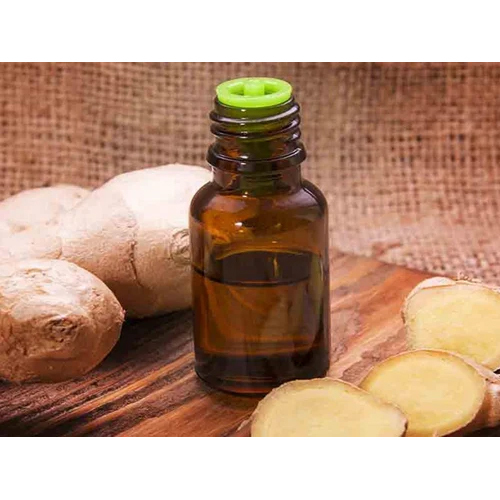
Ginger Essential Oil Is the First Bottle Worth Buying for Any Wellness Routine
Walk into any Indian kitchen and ginger is already there. Fresh, dried, powdered, it shows up in chai, in curries, in home remedies passed down without ever being written down. What most people have not made the jump to yet is ginger essential oil, the steam-distilled version of that same root, far more concentrated and far more flexible than anything sitting in your spice rack. This post covers what it does, how to use it, and what to check before buying.
Why Ginger Essential Oil Gets Underestimated
The assumption most people make is that they already have ginger covered. It is in the kitchen. It is in the chai. But steam-distilled ginger oil is a different thing entirely. The active compounds that make it useful for nausea, inflammation, and circulation are present in a concentrated form that works faster and more consistently than fresh ginger ever could.
It also does not smell clinical or unfamiliar. That warm, spicy scent is something Indian users already have a positive relationship with, which makes it easier to use regularly. Regularity is what actually produces results.
What It Does and How to Use It
For nausea, inhaling ginger oil is one of the most well-supported uses in aromatherapy research. Two drops in a diffuser or a drop on a tissue held near the nose can take the edge off travel sickness or morning sickness quickly.
For sore muscles and joints, diluting it in sesame or coconut oil and massaging into tired areas produces a genuine warming effect that supports circulation and eases tension. This connects directly to Ayurvedic traditions around warming oil massage, just in a more targeted and consistent form.
Simple Ways to Use It at Home
- Nausea: 2 drops in a diffuser or inhaled from a tissue
- Muscle relief: 4 drops in 2 tablespoons of sesame oil, massaged into sore areas
- Digestion: 2 drops diluted in carrier oil, massaged gently onto the stomach
- Morning energy: pair it with rosemary in a diffuser for a focused start to the day
What to Check When Buying Essential Oils in India
The essential oils India market has grown fast, and quality varies more than most product listings will admit. Pure ginger essential oil should list Zingiber officinale as the botanical name and steam distillation as the extraction method. The scent should be sharp and warm. A flat or faint smell usually means dilution or a product past its shelf life.
When shopping for essential oils in India, look for brands that use dark glass bottles, publish sourcing information, and do not rely purely on marketplace listings where ingredient transparency is low.
Conclusion
Ginger essential oil earns its place quickly once you start using it. It connects to wellness habits Indian households already trust, just in a more concentrated and versatile form. And as the essential oils India market continues to grow, finding a quality bottle has become more straightforward than it used to be. Callmessence sources ginger oil with the transparency and purity that makes it worth reaching for daily, not something you open once and forget.
FAQs
Is ginger essential oil safe to apply directly on skin?
No. Always dilute it in a carrier oil like coconut or sesame before applying. Direct application can irritate.
How often can I use ginger essential oil for scalp massage?
Two to three times a week is enough. More frequent use is not necessary and can sometimes cause sensitivity.
Can I find good quality essential oils in India online?
Yes, but check for botanical names, extraction methods, and dark glass packaging before buying. Those three details filter out most low-quality options quickly.