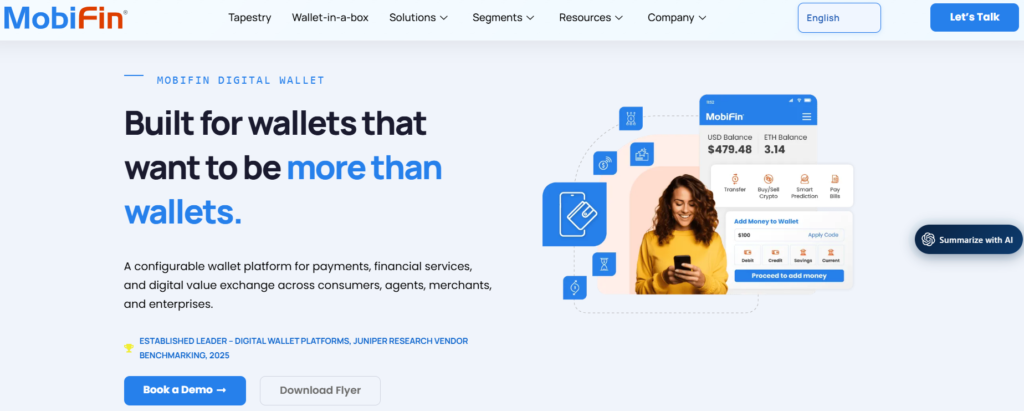
The way people manage money and make payments has changed dramatically over the past decade. Cash transactions are steadily declining, online shopping continues to grow, and consumers increasingly expect instant, seamless, and secure payment experiences. At the center of this transformation are digital wallets, which have evolved from simple payment tools into comprehensive financial platforms that power modern payment ecosystems.
Today, digital wallets are no longer limited to storing payment information. They facilitate peer-to-peer transfers, merchant payments, bill payments, loyalty programs, cross-border transactions, lending, and even investment services. As financial institutions, fintech companies, telecom operators, retailers, and marketplaces seek to deliver better customer experiences, digital wallets have emerged as a critical component of digital financial infrastructure.
The rise of digital wallets is reshaping how businesses engage customers, process transactions, and create integrated financial ecosystems. For organizations looking to participate in the future of digital finance, understanding the role of digital wallets has never been more important.
What Is a Digital Wallet?
A digital wallet is a software-based financial application that allows users to store payment information, manage funds, and conduct financial transactions using mobile devices or online platforms. Digital wallets can support various payment methods, including:
- Bank accounts
- Debit cards
- Credit cards
- Stored value accounts
- Mobile money accounts
- Digital currencies
Modern digital wallets provide users with a convenient and secure alternative to carrying cash or physical payment cards. In addition to payments, many wallet platforms offer expanded financial services that transform them into complete financial ecosystems.
The Growth of Cashless Transactions
Consumer behavior is shifting rapidly toward digital payments. Several factors are driving this transition:
Smartphone Adoption
The widespread availability of smartphones has made digital financial services accessible to billions of users worldwide.
E-commerce Growth
Online shopping requires convenient digital payment methods, making wallets a preferred option for many consumers.
Real-Time Payments
Consumers increasingly expect immediate transactions, whether transferring funds to friends or paying merchants.
Contactless Experiences
Digital wallets enable contactless payments through QR codes, NFC technology, and in-app transactions. As these trends continue, digital wallets are becoming a primary payment channel across global markets.
Why Digital Wallets Are Central to Payment Ecosystems?
Modern payment ecosystems require more than transaction processing. Businesses need platforms that connect consumers, merchants, financial institutions, and service providers. Digital wallets serve as the central hub connecting these participants.
Unified Customer Experience
A digital wallet allows users to access multiple services within a single platform.
Customers can:
- Send money
- Receive payments
- Pay bills
- Shop online
- Earn rewards
- Access financial services
This convenience improves engagement while increasing platform usage.
Enhanced Payment Accessibility
Digital wallets make payments more accessible by reducing dependency on traditional banking infrastructure. Users can conduct transactions from virtually anywhere using mobile devices. This accessibility is particularly valuable in emerging markets where banking penetration remains limited.
Transforming Merchant Payments
Merchants increasingly rely on digital wallets to provide faster and more convenient payment experiences.
Faster Checkout Processes
Digital wallets simplify payment acceptance through:
- QR code payments
- Mobile payments
- One-click checkout
- In-app purchases
Reducing checkout friction improves conversion rates and customer satisfaction.
Lower Cash Handling Costs
Businesses benefit from reduced cash management expenses, improved transaction visibility, and enhanced operational efficiency.
Better Customer Engagement
Wallet-based loyalty programs encourage repeat purchases by rewarding customers for continued platform usage.
Supporting Peer-to-Peer Transactions
One of the most popular uses of digital wallets is peer-to-peer (P2P) payments. Consumers can instantly transfer funds to:
- Family members
- Friends
- Business partners
- Freelancers
P2P functionality has become a key driver of wallet adoption because it provides convenience and speed compared to traditional bank transfers. Real-time transfers also increase user engagement and encourage customers to keep funds within wallet ecosystems.
Enabling Financial Inclusion
Financial inclusion remains a global challenge. Millions of people still lack access to traditional banking services. Digital wallets help bridge this gap by providing financial services through mobile devices.
Reaching Underserved Populations
Digital wallets can deliver:
- Payment services
- Savings capabilities
- Money transfers
- Government disbursements
- Merchant payments
Without requiring physical bank branches.
Alternative Financial Access
Many wallet users gain access to formal financial systems for the first time through mobile-based financial services. This inclusion supports economic growth and expands participation in the digital economy.
Digital Wallets and Embedded Finance
Embedded finance is transforming how financial services are delivered. Rather than requiring customers to visit financial institutions, services are integrated directly into everyday experiences. Digital wallets play a central role in enabling embedded finance.
Integrated Financial Services
Modern wallet ecosystems often include:
- Microloans
- Buy-now-pay-later solutions
- Insurance products
- Savings programs
- Investment tools
By embedding these services directly into wallet applications, providers create more comprehensive customer experiences.
Increased Revenue Opportunities
Embedded finance enables businesses to generate new revenue streams while strengthening customer relationships.
Security and Trust in Digital Wallet Platforms
Security is essential to the success of any digital payment solution. Consumers must trust that their financial information is protected. Modern digital wallets incorporate advanced security measures such as:
Multi-Factor Authentication
Additional verification steps help protect user accounts from unauthorized access.
Encryption
Sensitive financial information is encrypted both in transit and at rest.
Fraud Detection Systems
Artificial intelligence and machine learning help identify suspicious activity in real time.
Biometric Authentication
Fingerprint and facial recognition technologies provide additional layers of security. These measures help increase consumer confidence and encourage greater wallet adoption.
Digital Wallets and Customer Loyalty
One of the greatest advantages of digital wallets is their ability to strengthen customer engagement. Unlike traditional payment methods, wallets provide direct communication channels between businesses and consumers.
Loyalty Programs
Wallet providers can reward users through:
- Cashback incentives
- Reward points
- Promotional offers
- Personalized discounts
Personalized Experiences
Data analytics allows businesses to understand customer behavior and deliver tailored recommendations. This personalization improves retention and encourages long-term engagement.
The Role of APIs in Digital Wallet Ecosystems
Modern digital wallets are powered by API-driven architectures that enable seamless integration with third-party systems. These integrations connect wallets with:
- Banking systems
- Payment processors
- E-commerce platforms
- Lending providers
- Merchant networks
API connectivity allows businesses to expand wallet capabilities without rebuilding infrastructure.
Scalability and Flexibility
API-based wallets are highly scalable, making it easier for organizations to introduce new services and adapt to evolving customer needs.
Cross-Border Payments and Global Commerce
Global commerce continues to grow, creating demand for efficient international payment solutions. Digital wallets help simplify cross-border transactions by:
- Reducing transaction friction
- Accelerating settlements
- Improving accessibility
- Supporting multiple currencies
As international commerce expands, wallet providers are increasingly focusing on cross-border payment capabilities.
Future Trends Shaping Digital Wallets
Several emerging trends will influence the next generation of digital wallet platforms.
Artificial Intelligence
AI will enhance fraud prevention, customer service, and personalized financial recommendations.
Super Apps
Digital wallets are becoming core components of super apps that combine financial and lifestyle services within a single platform.
Real-Time Payments
Instant payment infrastructure will continue driving wallet adoption globally.
Open Finance
Greater data sharing will enable more personalized and integrated financial services.
Digital Identity Integration
Wallets may increasingly serve as secure digital identity platforms alongside payment functions.
Why Businesses Should Invest in Digital Wallet Solutions?
Organizations across industries are recognizing the strategic value of digital wallets.
Benefits include:
- Improved customer engagement
- Increased transaction volumes
- New revenue opportunities
- Stronger customer loyalty
- Enhanced operational efficiency
- Greater financial inclusion
Whether operating in banking, fintech, retail, telecommunications, or e-commerce, businesses can use digital wallets to strengthen their digital ecosystems and remain competitive.
Digital wallets have evolved far beyond simple payment applications. They now serve as foundational infrastructure for modern payment ecosystems, connecting consumers, merchants, financial institutions, and service providers through seamless digital experiences.
By enabling secure transactions, supporting embedded finance, expanding financial inclusion, and enhancing customer engagement, digital wallets are shaping the future of digital commerce and financial services.
As digital transformation continues across industries, organizations that invest in robust digital wallet solutions will be better positioned to deliver innovative services, strengthen customer relationships, and thrive in the rapidly evolving digital economy.