Gold Loan Rates
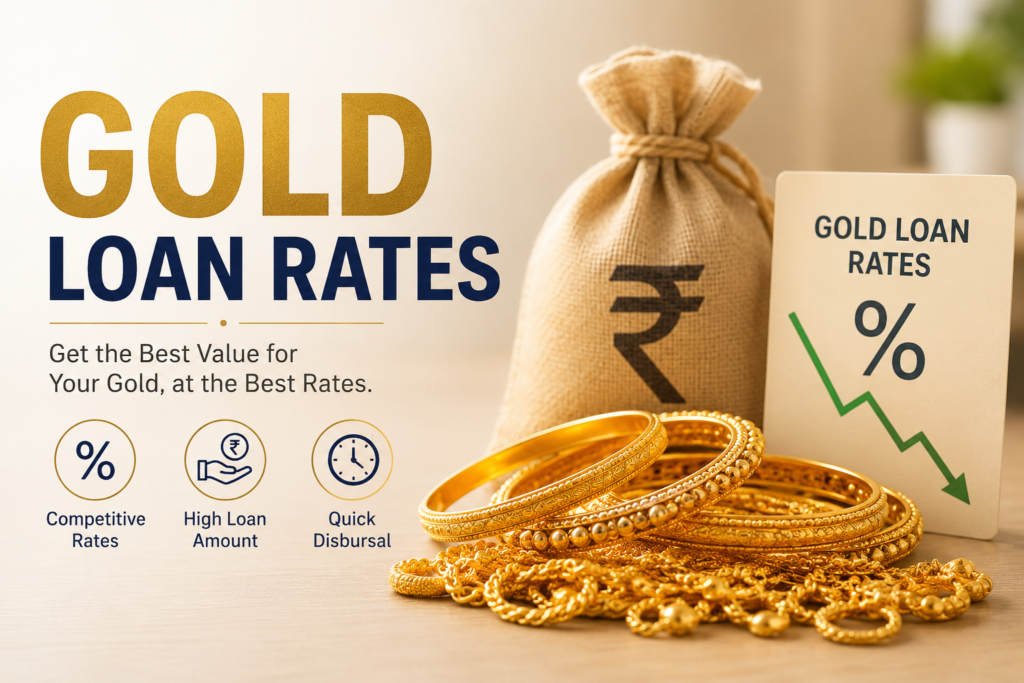
In today’s ever-changing financial landscape, gold loans have surged in popularity as a practical solution for immediate cash needs. One of the most critical aspects borrowers must consider when applying for a gold loan is the gold loan rate. This article will explore the various factors that affect gold loan rates and provide insights into how borrowers can reduce these rates effectively.
What is a Gold Loan?
Before diving into the specifics of gold loan rates, it’s essential to understand what a gold loan is. A gold loan is a secured loan, where the borrower pledges gold jewelry or coins as collateral to borrow money. The amount a lender will offer depends on the market value of the gold and various other factors related to the borrower’s financial profile.
Factors That Influence Gold Loan Rates
Gold loan rates can vary significantly from lender to lender, and understanding the factors that influence these rates can help borrowers secure a more favorable deal.
Here are some of the key factors affecting the gold loan rate:
1. Market Price of Gold
The loan amount and interest rate are directly linked to the market price of gold. When gold prices rise, the loan amount a lender can offer increases, but this can also lead to higher interest rates. Conversely, when gold prices drop, lenders may reduce their loan amounts or adjust interest rates. It is crucial for borrowers to stay informed about the current market conditions to make better financial decisions regarding gold loans.
2. Purity of Gold
The purity of the gold pledged also plays a significant role in determining the gold loan rate. Gold is measured in karats (K), with 24K being pure gold. Lenders typically prefer gold that is at least 18K or higher. The higher the purity of the gold, the more favorable the terms of the loan will be. Thus, if you plan on applying for a gold loan, it’s beneficial to have high-purity gold to maximize your loan amount and possibly secure a lower interest rate.
3. Loan-to-Value (LTV) Ratio
The Loan-to-Value (LTV) ratio represents the percentage of the gold’s total market value that a lender is willing to extend as a loan. For instance, if the LTV ratio is 75%, and your gold is valued at $1,000, you would be eligible to borrow $750. A higher LTV typically leads to a lower interest rate, but it comes with increased risk for lenders. Checking the current LTV ratio and seeking lenders offering competitive rates can help reduce your overall loan costs.
4. Tenure of the Loan
The tenure or duration of the loan can significantly influence the interest rates charged. Shorter tenure loans may offer lower gold loan rates compared to longer tenures. This is because lenders perceive loans with shorter repayment periods to be at lower risk. It’s advisable for borrowers to evaluate their repayment capacity and opt for the shortest tenure they can afford, without creating undue financial strain.
5. Credit History and Repayment Ability
Although gold loans are secured by collateral, lenders often assess the borrower’s creditworthiness to gauge repayment ability. A strong credit history may result in better interest rates. Conversely, borrowers with poor credit histories may face higher rates even though the loan is backed by gold. It’s always wise to review your credit profile and improve it before applying.
6. Lender’s Policy
Each lender has its own criteria and policies regarding interest rates. Banks, non-banking financial companies (NBFCs), and private lenders all offer gold loans, but their terms can differ significantly. It’s beneficial to shop around and compare offers from multiple lenders. Online financial comparison platforms can help borrowers quickly and efficiently evaluate the rates offered by different institutions.
Documents Required for a Gold Loan
When applying for a gold loan, submitting the correct documentation is crucial to avoid delays and ensure smooth processing. Understanding the documents required for a Gold Loan helps borrowers prepare in advance and speeds up approval.
The required documents typically include:
1. Identity Proof
To confirm your identity, lenders generally require one or more forms of government-issued ID, such as:
Aadhar Card
Passport
Voter ID
Driving License
2. Address Proof
You will also need to provide proof of your current address. Acceptable documents may include:
Utility bills (electricity, water, gas)
Rental agreement
Bank statement with your current address
3. Income Proof
While gold loans are primarily secured loans, lenders may still request income-related documents to assess repayment capacity. These may include salary slips, bank statements showing regular income, or income tax returns.
4. Gold Valuation Certificate
Although lenders typically evaluate the pledged gold themselves, a valuation certificate from a certified jeweler can speed up the loan process.
5. Loan Application Form
A duly filled application form is mandatory. It includes personal details, loan amount requirements, and consent for credit verification.
Ways to Reduce Your Gold Loan Rate
Once you understand the factors affecting gold loan rates, you can take proactive steps to secure a lower rate. Here are some practical tips:
1. Improve Your Credit Score
Before applying for a gold loan, check your credit score and work on improving it by clearing outstanding debts and maintaining good credit habits. A stronger score can help you negotiate better terms.
2. Compare Lenders
Avoid settling for the first offer you receive. Compare multiple lenders to find the most competitive interest rates and repayment terms.
3. Use High-Quality Gold
The purity of gold significantly impacts loan terms. Pledging higher purity gold (18K or above) can improve your chances of getting better rates.
4. Opt for a Shorter Tenure
Choosing a shorter repayment period can reduce overall interest costs and help lower the effective rate burden.
5. Monitor Market Trends
Gold prices fluctuate regularly. Applying when market conditions are favorable can help you secure better loan terms.
6. Negotiate with Lenders
If you have a strong financial profile, don’t hesitate to negotiate. Many lenders are willing to offer better terms to reliable borrowers.
Conclusion
Securing a gold loan can offer a quick solution to financial needs, but understanding the factors that influence gold loan rates is essential. By being aware of gold prices, loan-to-value ratios, documentation requirements, and lender policies, borrowers can make more informed decisions. With careful planning, credit improvement, and smart comparison of lenders, it is possible to significantly reduce borrowing costs and secure a favorable loan deal.