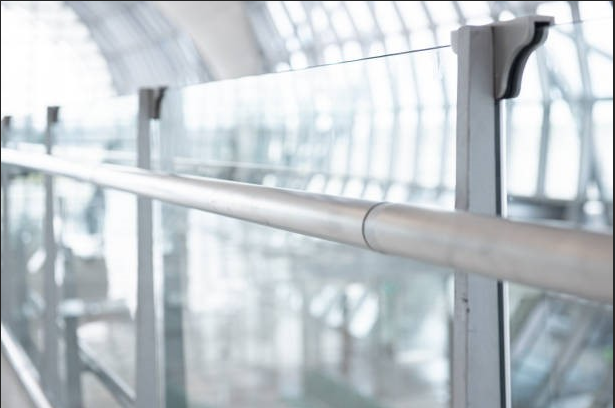
Choosing the right railing material is not just about appearance. It directly affects how long the structure lasts, how much maintenance it needs, and how well it performs in different environments. When comparing aluminum railings vs. steel, the differences become clear in durability, upkeep, and resistance to harsh conditions, especially in coastal areas.
Both materials are widely used in architectural fabrication, but they behave very differently over time. Understanding these differences helps you make a better long-term decision.
Key Takeaways
- Aluminum railings resist rust naturally, making them ideal for outdoor and coastal environments.
- Steel railings offer higher strength and are better for heavy-duty or load-bearing applications.
- Maintenance is significantly lower for aluminum, while steel requires regular inspection and recoating.
- Coastal conditions favor aluminum due to its resistance to salt and moisture.
- Steel can still perform well if properly treated, but it needs ongoing care.
- Choosing the right material depends on environment, usage, and maintenance expectations.
Aluminum Railings Vs. Steel Railings
Durability: Strength vs Resistance
When people think about durability, steel often comes to mind first. Steel is strong and can handle heavy loads, making it a solid choice for structural applications. Steel railings are often built using custom welding to handle complex designs and high-load requirements.
In the comparison of aluminum railings vs. steel, steel stands out for:
- High strength and load-bearing capacity
- Resistance to bending under pressure
- Suitability for heavy-duty installations
However, aluminum offers a different kind of durability. It is lighter but naturally resistant to corrosion. This makes it ideal for environments where moisture is constant.
Aluminum benefits include:
- Excellent resistance to rust
- Lightweight structure that reduces stress on supports
- Long-term performance in outdoor conditions
In many cases, aluminum may last longer than steel in exposed environments because it does not rust like untreated steel.
Maintenance: Ongoing Care vs. Minimal Upkeep
Maintenance is one of the biggest deciding factors when comparing aluminum railings vs. steel.
Steel railings require regular maintenance to stay in good condition. Without proper protection, such as paint or coating, steel can rust over time. Even with coatings, scratches or wear can expose the metal underneath.
Steel maintenance often includes:
- Repainting or recoating
- Rust inspection and treatment
- Periodic repairs
This is where welding services may be required as part of equipment repair, especially if corrosion spreads or weakens joints.
Aluminum railings, on the other hand, require far less maintenance. They do not rust, and most finishes, such as powder coating, hold up well over time.
Aluminum maintenance typically involves:
- Basic cleaning
- Occasional inspection
- Minimal repairs
For homeowners and commercial properties looking to reduce long-term upkeep, aluminum is often the easier option.
Coastal Performance: Where the Difference Matters Most
Coastal environments are one of the toughest conditions for metal. Salt air, humidity, and constant exposure to moisture can quickly damage unprotected materials.
In the comparison of aluminum railings vs. steel, aluminum has a clear advantage in coastal areas.
Steel in Coastal Conditions
Steel can perform well if properly treated, such as with galvanizing or protective coatings. However, even small scratches can expose the metal and lead to rust. Over time, salt accelerates corrosion, making maintenance more frequent.
This means steel railings near the coast may need:
- Regular inspections
- Frequent recoating
- Possible structural repairs
Aluminum in Coastal Conditions
Aluminum naturally forms a protective oxide layer that prevents corrosion. This makes it highly suitable for coastal environments.
Advantages include:
- Strong resistance to salt exposure
- No rust formation
- Lower maintenance requirements
For coastal properties, aluminum is often the more practical choice for long-term performance.
When to Choose Steel
Steel railings are a good choice when:
- High strength is required.
- The structure supports heavy loads.
- The environment is controlled or indoors.
- Regular maintenance is manageable.
When to Choose Aluminum
Aluminum railings are ideal when:
- Corrosion resistance is important
- The installation is outdoors or near the coast
- Low maintenance is a priority
- Lightweight materials are preferred
Final Thoughts
The choice between aluminum railings vs. steel depends on how the railing will be used and where it will be installed. Steel offers strength and durability under load, while aluminum provides long-term corrosion resistance and easier maintenance.
For coastal environments and low-maintenance projects, aluminum often performs better. For heavy-duty structural needs, steel may still be the right option.
FAQs
- Which is more durable, aluminum or steel railings?
Steel is stronger for heavy loads, but aluminum is more durable in outdoor and coastal conditions due to its corrosion resistance. - Do aluminum railings rust over time?
No, aluminum does not rust. It forms a protective layer that helps prevent corrosion. - Are steel railings suitable for coastal areas?
They can be used, but they require protective coatings and regular maintenance to prevent rust from salt exposure. - Which railing requires less maintenance?
Aluminum railings require much less maintenance compared to steel, which needs repainting and rust checks. - How do I choose between aluminum and steel railings?
Choose steel for strength and indoor use, and aluminum for outdoor, coastal, and low-maintenance applications.