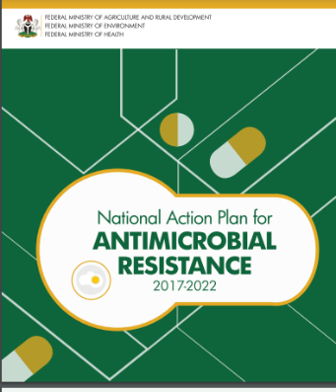
Antimicrobial stewardship in Nigeria has become a critical strategy in the fight against antimicrobial resistance (AMR). As infections caused by drug-resistant microorganisms continue to rise the responsible use of antibiotics and other antimicrobial medicines is more important than ever. Antimicrobial stewardship ensures that patients receive the right medicine at the right dose for the right duration while minimizing unnecessary use that contributes to resistance.
Nigeria like many countries faces growing challenges related to antibiotic misuse self-medication limited access to diagnostic services and increasing rates of antimicrobial resistance. To address these issues healthcare professionals government agencies and organizations such as the Nigerian National Antimicrobial Stewardship Taskforce (NNAST) are working together to strengthen stewardship programs improve prescribing practices and increase public awareness. Understanding the importance of antimicrobial stewardship in Nigeria is essential for protecting both current and future generations from drug-resistant infections.
What Is Antimicrobial Stewardship?
Antimicrobial stewardship is a coordinated approach to promoting the responsible use of antimicrobial medicines including antibiotics antivirals antifungals and antiparasitic drugs. The primary goal is to ensure that patients receive effective treatment while reducing the development and spread of antimicrobial resistance.
Stewardship is not about limiting access to medicines. Instead it focuses on using antimicrobial drugs only when they are truly needed and selecting the most appropriate treatment based on clinical evidence.
The success of antimicrobial stewardship in Nigeria depends on collaboration among doctors pharmacists nurses microbiologists infection prevention specialists policymakers and patients.
Why Antimicrobial Stewardship in Nigeria Is Important
The need for antimicrobial stewardship in Nigeria has grown significantly because antimicrobial resistance is becoming a major public health challenge. Resistant infections make common illnesses harder to treat increase healthcare costs and place greater pressure on hospitals and healthcare workers.
Several factors have contributed to this challenge including:
- Overuse of antibiotics.
- Self-medication without medical supervision.
- Inappropriate prescribing practices.
- Limited laboratory testing before treatment.
- Poor infection prevention and control.
- Inadequate public awareness about responsible antibiotic use.
Without effective stewardship these practices can accelerate antimicrobial resistance and reduce the effectiveness of life-saving medicines.
The Goals of Antimicrobial Stewardship
The primary objectives of antimicrobial stewardship in Nigeria include improving patient care while preserving the effectiveness of antimicrobial medicines.
Key goals include:
- Ensuring patients receive appropriate antimicrobial treatment.
- Reducing unnecessary antibiotic use.
- Preventing antimicrobial resistance.
- Improving patient safety.
- Lowering healthcare costs.
- Supporting evidence-based prescribing.
- Promoting responsible medicine use across healthcare settings.
These goals help strengthen healthcare delivery while protecting antibiotics for future generations.
Common Challenges Facing Antimicrobial Stewardship in Nigeria
Although progress is being made several obstacles continue to affect the implementation of antimicrobial stewardship in Nigeria.
Self-Medication
Many people purchase antibiotics without consulting qualified healthcare professionals. Self-medication often leads to incorrect drug selection improper dosing and incomplete treatment.
Limited Diagnostic Capacity
Access to laboratory testing remains limited in some healthcare facilities. Without proper diagnostic information healthcare providers may prescribe antibiotics based on symptoms rather than confirmed infections.
Inappropriate Prescribing
Some antibiotics are prescribed even when they are not necessary particularly for viral illnesses that do not respond to antibiotic treatment.
Public Misunderstanding
Many people believe antibiotics can cure every illness including viral infections such as colds and flu. This misconception contributes to unnecessary antimicrobial use.
Resource Limitations
Healthcare facilities may face shortages of trained personnel laboratory equipment and surveillance systems needed to fully implement stewardship programs.
The Role of Healthcare Professionals
Healthcare professionals are central to the success of antimicrobial stewardship in Nigeria. Every member of the healthcare team has an important responsibility.
Doctors
Doctors evaluate patients carefully before prescribing antimicrobial medicines. They select the most appropriate treatment based on clinical evidence and discontinue antibiotics when they are no longer needed.
Pharmacists
Pharmacists help ensure medicines are used correctly by reviewing prescriptions educating patients and monitoring antimicrobial use within healthcare facilities.
Nurses
Nurses administer medicines safely monitor patient responses educate patients about treatment and support infection prevention practices.
Microbiologists
Laboratory specialists identify disease-causing microorganisms and determine which medicines are most effective allowing healthcare providers to make informed treatment decisions.
Working together these professionals strengthen antimicrobial stewardship in Nigeria and improve patient outcomes.
Infection Prevention Supports Stewardship
Preventing infections is one of the most effective ways to reduce antibiotic use. Strong infection prevention measures complement antimicrobial stewardship in Nigeria by lowering the number of infections that require antimicrobial treatment.
Important infection prevention practices include:
- Regular hand hygiene.
- Proper sanitation.
- Vaccination.
- Safe food handling.
- Sterilization of medical equipment.
- Isolation of infectious patients when necessary.
Reducing infections decreases the demand for antibiotics and helps slow antimicrobial resistance.
National Efforts to Strengthen Antimicrobial Stewardship
Nigeria has recognized the importance of antimicrobial stewardship in Nigeria through national strategies designed to improve antimicrobial use and combat resistance.
Current efforts focus on:
- Developing antimicrobial stewardship programs in healthcare facilities.
- Expanding antimicrobial resistance surveillance.
- Strengthening laboratory services.
- Improving infection prevention and control.
- Training healthcare professionals.
- Promoting public education campaigns.
- Encouraging responsible prescribing practices.
Organizations such as the Nigerian National Antimicrobial Stewardship Taskforce (NNAST) support these initiatives by working with healthcare institutions researchers policymakers and public health partners to strengthen stewardship across the country.
How Individuals Can Support Antimicrobial Stewardship
The success of antimicrobial stewardship in Nigeria depends not only on healthcare professionals but also on the public.
Every individual can contribute by:
- Taking antibiotics only when prescribed.
- Completing the full course of treatment.
- Never sharing antibiotics with others.
- Avoiding leftover medicines.
- Practicing good hygiene.
- Keeping vaccinations up to date.
- Seeking medical advice before taking antimicrobial medicines.
- Learning about antimicrobial resistance and responsible medicine use.
Responsible behavior helps preserve antibiotics for future generations.
The Importance of Public Awareness
Public education is one of the strongest tools for improving antimicrobial stewardship in Nigeria. Many people are unaware of the dangers associated with unnecessary antibiotic use.
Awareness campaigns help communities understand:
- Why antibiotics should not be used for viral infections.
- The importance of completing prescribed treatments.
- The risks of self-medication.
- How antimicrobial resistance develops.
- The value of infection prevention.
As public understanding improves inappropriate antimicrobial use decreases supporting national stewardship efforts.
The Future of Antimicrobial Stewardship in Nigeria
The future of antimicrobial stewardship in Nigeria depends on continued collaboration between government agencies healthcare professionals educational institutions researchers and communities.
Expanding stewardship programs strengthening surveillance systems improving diagnostic capacity and increasing public awareness will help reduce antimicrobial resistance and improve healthcare outcomes across the country.
Investment in healthcare infrastructure professional training research and innovation will also ensure that stewardship remains an essential part of Nigeria’s healthcare system.
Every responsible prescription every informed patient and every successful infection prevention measure contributes to protecting the effectiveness of antimicrobial medicines.
Conclusion
Antimicrobial stewardship in Nigeria is a vital component of the country’s fight against antimicrobial resistance. By promoting the responsible use of antibiotics and other antimicrobial medicines stewardship programs improve patient care reduce unnecessary medicine use and help preserve the effectiveness of life-saving treatments.
Nigeria continues to strengthen its response through national policies healthcare improvements surveillance programs and the efforts of organizations such as the Nigerian National Antimicrobial Stewardship Taskforce (NNAST). However lasting success requires the commitment of healthcare professionals policymakers researchers pharmacists and every Nigerian.
By supporting antimicrobial stewardship in Nigeria practicing responsible antibiotic use preventing infections through good hygiene and increasing awareness about antimicrobial resistance we can protect the effectiveness of these essential medicines and build a healthier future for Nigeria.