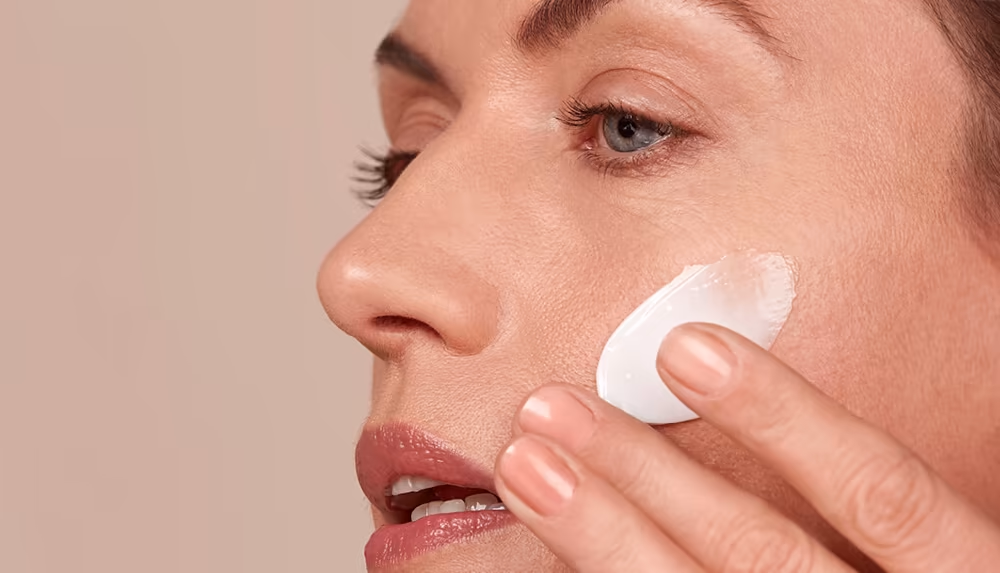
Menopause is a natural stage of life, but it often brings noticeable changes to the skin. Declining estrogen levels can reduce collagen production, slow cell turnover, and make the skin thinner, drier, and more sensitive. Fine lines may appear more prominent, while some women also experience breakouts, redness, or uneven pigmentation. These changes can feel frustrating, but the right routine can make a significant difference.
A thoughtful Medical menopause skin care approach focuses on restoring hydration, strengthening the skin barrier, and addressing age-related concerns with clinically proven ingredients. Whether you have dry, oily, combination, sensitive, or mature skin, following a personalized routine can help maintain a healthier and more radiant complexion.
Understanding How Menopause Affects Your Skin
Hormonal changes during menopause impact nearly every layer of the skin. Lower estrogen levels reduce natural oil production, making the skin more prone to dryness and irritation. Collagen loss also accelerates, leading to reduced firmness and elasticity.
Common skin concerns during menopause include:
- Increased dryness and dehydration
- Fine lines and wrinkles
- Sagging skin
- Uneven skin tone
- Age spots
- Sensitivity and redness
- Adult acne caused by hormonal fluctuations
Because every woman’s skin responds differently, choosing products based on your specific skin type is essential.
Step 1: Cleanse Without Stripping the Skin
The foundation of any skincare routine starts with gentle cleansing. Avoid harsh foaming cleansers that remove the skin’s natural oils, as these can worsen dryness and irritation.
Instead, choose:
- Cream cleansers for dry skin
- Gel cleansers for oily skin
- Fragrance-free cleansers for sensitive skin
- Hydrating cleansers with ceramides or glycerin
Wash your face twice daily using lukewarm water instead of hot water, which can further dry out the skin.
Step 2: Restore Moisture Immediately
Hydration becomes increasingly important during menopause. Apply moisturizer while your skin is still slightly damp to help lock in moisture.
Look for ingredients such as:
- Hyaluronic acid
- Ceramides
- Squalane
- Glycerin
- Shea butter
These ingredients strengthen the skin barrier while reducing tightness and flaking.
For women following a Medical menopause skin care routine, daily moisturizing is one of the most important habits for maintaining healthy skin.
Step 3: Add a Powerful Antioxidant Serum
Antioxidants protect the skin against environmental damage while improving overall brightness.
Vitamin C remains one of the best options because it:
- Supports collagen production
- Reduces pigmentation
- Brightens dull skin
- Helps protect against UV damage
Apply a Vitamin C serum every morning before moisturizer and sunscreen.
Other beneficial antioxidants include:
- Vitamin E
- Ferulic acid
- Green tea extract
- Niacinamide
Step 4: Use Retinoids Carefully
Retinoids remain one of the most effective anti-aging ingredients available. They stimulate collagen production, smooth wrinkles, and improve skin texture.
However, menopausal skin may become more sensitive.
Begin with:
- Low-strength retinol
- Use only two nights each week
- Increase frequency gradually
- Always follow with moisturizer
If irritation develops, reduce usage until your skin adjusts.
Step 5: Never Skip Sunscreen
Daily sunscreen is essential regardless of weather or season.
UV exposure accelerates:
- Collagen breakdown
- Wrinkles
- Pigmentation
- Skin cancer risk
Choose a broad-spectrum SPF 30 or higher every morning.
Mineral sunscreens containing zinc oxide are excellent choices for sensitive menopausal skin because they are less likely to cause irritation.
Best Routine for Dry Skin
Dry skin often becomes even drier after menopause.
Morning:
- Gentle cream cleanser
- Hydrating serum
- Rich moisturizer
- SPF 30+
Evening:
- Hydrating cleanser
- Retinol (2–3 nights weekly)
- Thick nourishing moisturizer
- Facial oil if needed
Focus on rebuilding the skin barrier instead of using aggressive exfoliants.
Best Routine for Oily Skin
Some women continue producing excess oil despite hormonal changes.
Morning:
- Gel cleanser
- Niacinamide serum
- Lightweight moisturizer
- Oil-free sunscreen
Evening:
- Gentle cleanser
- Retinol
- Lightweight hydrating cream
Avoid over-cleansing because stripping the skin may trigger additional oil production.
Best Routine for Combination Skin
Combination skin requires balancing hydration while controlling shine.
Morning:
- Mild cleanser
- Vitamin C serum
- Medium-weight moisturizer
- Sunscreen
Evening:
- Gentle cleanser
- Retinol or peptide serum
- Moisturizer
You may use richer creams on dry areas while choosing lighter formulas for oily zones.
Best Routine for Sensitive Skin
Sensitivity often increases during menopause.
Choose products that are:
- Fragrance-free
- Alcohol-free
- Dye-free
- Dermatologist-tested
Ingredients that calm irritation include:
- Colloidal oatmeal
- Panthenol
- Ceramides
- Aloe vera
- Bisabolol
Introduce new products one at a time to identify potential reactions.
Best Routine for Mature Skin
Mature skin benefits from ingredients that target firmness and elasticity.
An effective Medical menopause skin care routine for mature skin should include:
- Vitamin C
- Retinol
- Peptides
- Ceramides
- Hyaluronic acid
- Broad-spectrum sunscreen
These ingredients work together to improve texture while supporting collagen production.
Weekly Treatments That Help
Weekly treatments can enhance your everyday routine without overwhelming the skin.
Gentle Exfoliation
Exfoliate once weekly using mild chemical exfoliants like:
- Lactic acid
- Mandelic acid
- Polyhydroxy acids (PHAs)
Avoid harsh scrubs that create tiny tears in delicate skin.
Hydrating Masks
Hydrating masks replenish moisture and soothe irritation.
Look for masks containing:
- Hyaluronic acid
- Honey
- Aloe vera
- Ceramides
Use once or twice each week.
Nutrition Also Supports Healthy Skin
Healthy skin starts from within.
Eat foods rich in:
- Omega-3 fatty acids
- Vitamin C
- Vitamin E
- Zinc
- Protein
- Antioxidants
Drink enough water throughout the day to support skin hydration.
Limiting excessive sugar and processed foods may also help reduce inflammation that contributes to premature aging.
Lifestyle Habits That Improve Menopausal Skin
Simple daily habits often make a noticeable difference.
Try to:
- Sleep seven to nine hours nightly
- Exercise regularly
- Manage stress
- Avoid smoking
- Limit alcohol
- Stay hydrated
Stress management techniques like meditation and yoga may also improve overall skin health.
When to See a Dermatologist
Some skin changes require professional evaluation.
Consult a dermatologist if you experience:
- Severe acne
- Persistent redness
- Rapid pigmentation changes
- Painful rashes
- Suspicious moles
- Excessive hair growth
Medical treatments such as prescription retinoids, laser therapy, chemical peels, or hormone-related therapies may provide additional benefits depending on your individual needs.
Final Thoughts
Menopause changes the skin, but it does not mean you have to accept dullness, dryness, or premature aging. Building a consistent routine with gentle cleansing, deep hydration, antioxidant protection, retinoids, and daily sunscreen can dramatically improve skin health over time.
The ideal Medical menopause skin care plan should always match your skin type and focus on strengthening the skin barrier while addressing collagen loss and dehydration. With patience, quality skincare products, and healthy lifestyle choices, menopausal skin can remain smooth, comfortable, and radiant for years to come.