Ventilation can contribute to energy waste when warm or cooled indoor air is expelled without recovering its thermal value. A Heat Recuperator captures some of this energy and transfers it to the fresh air entering a home, with separate airflow paths preventing direct mixing. This exchange helps reduce the temperature difference between incoming air and the indoor environment, which may lower the workload placed on heating and cooling equipment. Residential heat Recuperator systems combine regular air replacement with more effective heat utilisation, supporting stable indoor conditions while limiting unnecessary energy consumption. Their operation offers a practical way to balance household ventilation needs with efficient temperature management.
A Consistent Supply of Fresh Indoor Air
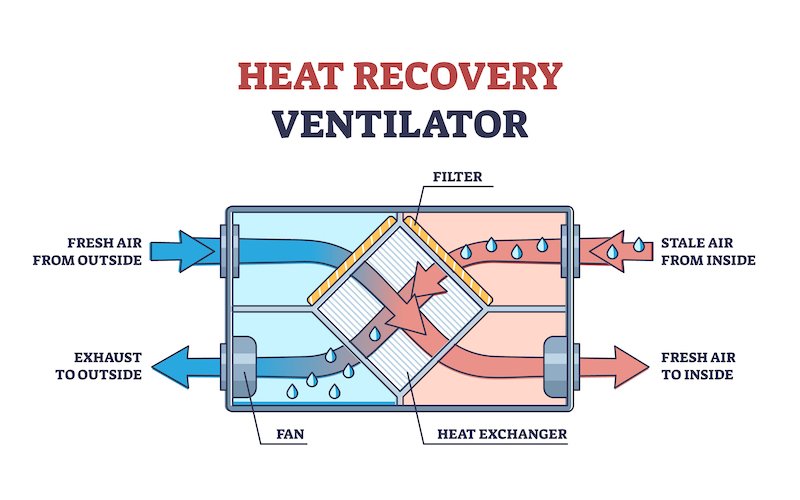
Heat recovery ventilators support a healthier indoor environment by replacing stale air with outdoor air while retaining some of the energy already used to condition the home. Inside the unit, a heat exchanger transfers thermal energy between outgoing and incoming air without allowing the streams to mix. This process can limit heat loss in winter, while regular ventilation helps manage excess moisture and the accumulation of indoor contaminants.
Controlled airflow between supply and extraction points helps maintain more balanced conditions throughout the property. These benefits are particularly relevant in airtight homes, where natural air leakage may be limited. A properly configured system provides dependable ventilation and helps reduce the energy penalty associated with introducing fresh outdoor air.
How Heat Recovery Ventilator Sizing Affects System Performance
The required ventilation capacity depends on the building’s layout, available floor area, occupancy levels, and the amount of fresh air needed throughout the day. Room usage and the number of connected spaces also influence the airflow requirements. Climate conditions should be considered when assessing thermal performance, as homes in colder locations may have different recovery demands from those in warmer areas.
Accurate heat recovery ventilator sizing helps prevent problems associated with inadequate ventilation or excessive fan operation. Calculations based on appropriate air-change rates and applicable ventilation guidelines can establish a suitable capacity for the property. A qualified assessment can then match the equipment to the building’s requirements, supporting efficient airflow, reliable operation, and satisfactory indoor air quality.
Residential Ventilation Layouts for Effective Air Distribution
A practical ventilation layout should reflect the home’s floor plan, room functions, occupancy patterns, and expected airflow requirements. Duct routes need to distribute fresh air efficiently without unnecessary bends or restrictions, while heat energy recuperators transfer thermal energy between the incoming and outgoing streams. Supply outlets generally serve occupied living areas, whereas extraction points are positioned where moisture, odours, or indoor pollutants are more likely to accumulate. Equipment noise should also be considered when determining unit and outlet locations.
Insulated, well-sealed ductwork helps minimise leakage and unwanted temperature changes along the air distribution route. Suitable materials and straightforward controls can improve durability and make routine operation easier. Careful planning supports consistent ventilation, greater indoor comfort, reduced thermal losses, and dependable system performance over time.
Essential Components behind Heat Recuperator Operation
Effective heat recovery depends on several components working together to move air and transfer thermal energy. The heat exchanger enables energy to pass between outgoing and incoming air while keeping the streams separate. Fans drive the airflow through the equipment, and filters help capture dust and other airborne particles before they circulate through the home or pass through the unit.
Depending on the model, sensors and control systems can adjust operation in response to changing indoor conditions or ventilation demands. The outer casing protects the internal mechanisms, while insulation can help limit unwanted thermal transfer. Correct component selection, installation, and adjustment allow the system to deliver dependable airflow, recover useful heat, and support cleaner indoor air with efficient day-to-day operation.
Lower Household Energy Demand through Heat Recovery
Ventilation systems equipped with heat energy recuperators can reduce the amount of thermal energy lost when indoor air is extracted from a property. Heat transferred to incoming outdoor air may decrease the additional heating needed during colder periods, helping the home maintain comfortable temperatures with less energy input. The overall benefit depends on factors such as climate, system efficiency, airflow settings, and household usage.
Lower energy requirements can also reduce the emissions associated with operating residential heating equipment. By reusing a portion of the thermal energy already present indoors, heat energy recuperators support more efficient resource use. Their integration into suitable ventilation systems can contribute to more economical household operation and more considered energy management.
Residential Ventilation Options for Different Building Requirements
Different Residential ventilation systems serve different airflow needs, with common options including exhaust-only, supply-only, balanced ventilation, and energy recovery configurations. Exhaust-only systems remove indoor air and allow replacement air to enter through available openings, which can create negative pressure. Supply-only arrangements introduce outdoor air into the home and may produce positive pressure if the outgoing airflow is not adequately managed.
Balanced systems regulate supply and extraction to provide a more controlled exchange of air. Models with energy recovery also transfer thermal energy between separate airflow paths, helping reduce losses during ventilation. The most suitable configuration depends on the building’s construction, local climate, occupancy, and required air exchange. Assessing these factors helps determine an arrangement that supports indoor air quality and efficient operation.
Planning the Installation of Heat Energy Recuperation Systems
Correct installation of heat energy recuperation systems requires careful planning to achieve effective airflow and thermal recovery. Ductwork should be arranged to distribute air efficiently, while the recuperator needs suitable placement to accommodate connections and maintain effective airflow pathways. Reducing unnecessary duct bends and restrictions can help improve air movement, while properly sealed joints minimise leakage and avoidable energy losses.
All installation work should comply with relevant building regulations and technical requirements to support safe operation. Adequate access should also be provided for inspecting and servicing filters, heat exchange cores, and other essential components. Experienced installers can assess these requirements and configure the equipment appropriately, helping establish a dependable ventilation system designed for sustained performance.
Routine Care for Reliable Ventilation System Operation
Scheduled maintenance helps ventilation equipment maintain consistent airflow and efficient operation over time. Ductwork should be examined for obstructions, leaks, and physical damage that could interfere with air movement. Fans and sensors also require periodic checks to confirm they are functioning correctly, while filters should be cleaned or replaced as recommended to prevent dust accumulation from restricting airflow.
Seals and connections need inspection to identify gaps that could lead to unwanted air loss. The heat exchanger should also be checked for dirt buildup, deterioration, or other issues that may affect thermal transfer. Periodic professional servicing can help identify developing faults and address maintenance requirements. Consistent care supports reliable ventilation, efficient energy use, and stable indoor air quality.
Better Indoor Air Quality through Controlled Ventilation
A well-planned ventilation system helps maintain cleaner indoor spaces by extracting stale air, managing excess moisture, and reducing the concentration of airborne contaminants. Introducing outdoor air at a suitable rate helps disperse pollutants generated by everyday activities, contributing to a more comfortable indoor environment.
Effective air circulation can also limit persistent dampness and reduce conditions associated with condensation and mould growth. When heat energy recuperators form part of the system, thermal energy from extracted air can be transferred to incoming fresh air, helping reduce temperature fluctuations during ventilation. Regular air replacement also helps remove lingering odours and airborne substances released by cleaning products, building materials, and other household sources, supporting a fresher living space.
What Influences Residential Ventilation System Costs?
The overall expense of installing residential ventilation equipment includes the unit itself, labour, ductwork, and future operating costs. Models incorporating heat energy recuperators may involve a greater initial outlay because of their specialised components and the planning required for home ventilation system design. However, recovering heat from outgoing air can reduce the energy needed to condition replacement air, potentially lowering household heating and cooling expenses over time.
Final pricing varies according to system capacity, the building’s layout, installation access, and the materials required. Although an efficient ventilation solution may demand a larger initial budget, it can offer continuing benefits through controlled airflow and improved temperature stability. Assessing upfront expenditure alongside projected energy use, maintenance requirements, and long-term operating costs provides a clearer basis for comparing available options.
Common Misunderstandings about Heat Recovery Technology
Heat energy recuperators are sometimes considered difficult to manage or prone to demanding maintenance throughout their service life. In reality, these units use established heat-transfer principles, and routine care generally involves straightforward tasks when installation follows the manufacturer’s specifications. Regular filter checks and periodic servicing can help keep the equipment operating as intended.
Another misconception is that extracted indoor air mixes directly with incoming outdoor air during heat recovery. In properly functioning systems, separate passages allow thermal energy to transfer between the two air streams while keeping them physically apart. It is also incorrect to assume that this technology suits commercial buildings alone. Residential properties with different layouts and sizes can also benefit from controlled air exchange, reduced thermal losses, and improved indoor comfort.
Conclusion
Heat recuperators improve residential ventilation by capturing some of the heat carried away by outgoing indoor air. This recovered energy warms or cools incoming air as needed, helping maintain more consistent indoor conditions and lowering the workload on climate-control equipment. Performance depends on choosing equipment suited to the property, arranging professional installation, and maintaining the system regularly. For Australian homes, a residential heat energy recuperator can combine regular fresh-air supply with comfortable temperatures and more efficient energy consumption.
FAQs
What benefits can heat recovery ventilators provide in homes?
Heat recovery ventilators replace stale indoor air with outdoor air while extracting pollutants and excess humidity. Their heat exchangers transfer energy between outgoing and incoming air without directly mixing the two streams, helping reduce heat loss during ventilation. Depending on the filtration used, they may also capture airborne particles and support more comfortable indoor humidity levels.
How does a residential heat recuperator recover energy?
A residential heat recuperator passes incoming outdoor air and extracted indoor air through separate sections of a heat exchanger. Thermal energy moves through the separating surface while the air streams remain apart. In colder weather, heat from outgoing air warms the incoming supply, reducing the additional energy needed to maintain indoor temperatures.
Why should recuperator capacity match the property?
Correctly sizing a recuperator ensures its airflow capacity suits the building’s dimensions, layout, and number of occupants. A unit with insufficient capacity may not provide adequate ventilation, while an oversized model can consume unnecessary energy or deliver excessive airflow. Proper assessment helps achieve suitable air circulation, humidity control, thermal recovery, and indoor comfort.
How can heat recovery ventilation lower energy consumption at home?
Heat recovery ventilation captures a portion of the energy in extracted air and transfers it to incoming fresh air instead of releasing all that energy outdoors. Preconditioning the incoming supply reduces the heating or cooling effort required to reach the desired indoor temperature. This can decrease ventilation-related energy losses and improve the efficiency of household climate control.
| Related Business Listings |
| Contact Directory |
| Local Business Profiles |