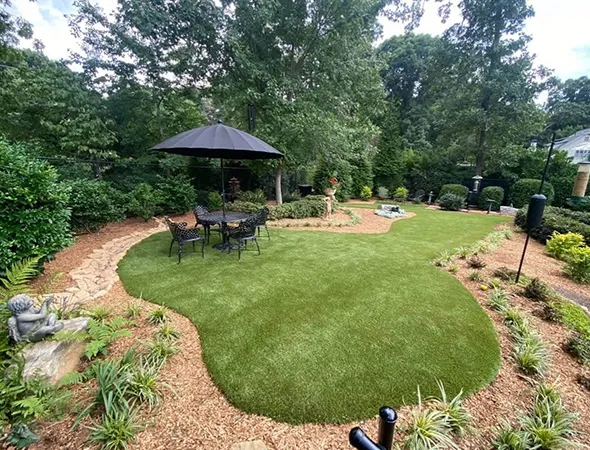
A well-maintained outdoor space can make a strong first impression on customers, tenants, and visitors. But keeping natural grass green and healthy throughout the year takes time, water, labor, and regular maintenance.
For commercial properties, those responsibilities can become expensive, especially when landscaping must remain presentable despite heavy foot traffic and changing weather conditions.
That’s why more property owners are exploring artificial grass for businesses in Sandy Springs GA as an alternative to traditional lawns.
Synthetic turf can provide a consistent appearance for office buildings, retail properties, hospitality spaces, and other commercial environments. However, choosing the right material and installation method is essential for long-term performance.
This guide covers commercial turf applications, installation requirements, drainage, maintenance, costs, and the factors businesses should consider before investing.
Is Artificial Grass Right for Your Commercial Property?
Artificial grass can work well for many commercial properties, but its suitability depends on how the space will be used.
A decorative lawn outside an office building has different requirements from a heavily used pet relief area or a hotel courtyard.
Before choosing turf, consider the property’s foot traffic, drainage conditions, exposure to sunlight, and maintenance needs.
| Commercial Property | Common Turf Application | Main Consideration |
| Office buildings | Entry landscaping and courtyards | Appearance and pedestrian traffic |
| Retail centers | Decorative green spaces | Durability and maintenance access |
| Hotels | Courtyards and outdoor seating areas | Comfort and surface temperature |
| Apartment communities | Shared lawns and pet areas | Drainage and cleaning |
| Restaurants | Patios and outdoor gathering spaces | Sanitation and furniture placement |
| Childcare facilities | Designated play areas | Appropriate cushioning and safety |
| Corporate campuses | Walkways and recreational spaces | Traffic patterns and accessibility |
The best turf system is one designed around the property’s actual use rather than appearance alone.
What Is Commercial Synthetic Grass?
Commercial synthetic grass is a manufactured surface designed to resemble natural grass while reducing certain landscaping requirements.
Most products contain synthetic fibers attached to a backing material.
Depending on the application, the installation may also include infill, a compacted aggregate base, drainage components, and perimeter edging.
How Is Commercial Turf Different From Residential Turf?
Some products can serve both residential and commercial applications.
However, commercial projects may require greater attention to wear resistance, drainage capacity, fire-performance requirements, accessibility, and maintenance planning.
A turf product suitable for a decorative front yard may not be appropriate for a busy commercial courtyard.
Does Artificial Grass Require Watering?
Synthetic grass doesn’t need irrigation to grow.
However, water may still be needed for cleaning, rinsing pet areas, or cooling the surface during hot weather.
Removing irrigation needs can reduce water consumption, but the actual savings depend on the property’s previous landscaping and maintenance practices.
Benefits of Artificial Grass for Businesses
Commercial turf can offer several advantages when installed in suitable locations.
Consistent Appearance
Natural lawns can develop bare patches from foot traffic, shade, drought, and soil conditions.
Artificial grass maintains a generally consistent appearance without seasonal growth cycles.
This can be useful for customer-facing spaces where landscaping contributes to the property’s presentation.
Reduced Routine Lawn Maintenance
Synthetic turf eliminates mowing, edging, and fertilization associated with growing natural grass.
Businesses still need to remove debris, clean the surface, and maintain drainage.
However, the routine workload may be lower than maintaining an equivalent natural lawn.
Better Use of Difficult Spaces
Some commercial properties have shaded courtyards, narrow landscaping strips, or heavily used areas where natural grass struggles.
Artificial turf may provide a practical alternative when the site can support the necessary base and drainage system.
Flexible Design
Synthetic grass can be incorporated around seating areas, decorative stone, walkways, and outdoor gathering spaces.
It can also be used to define recreational zones within larger properties.
Less Mud in High-Traffic Areas
A properly designed turf system can reduce muddy conditions that occur when natural grass becomes worn.
This is particularly useful near building entrances, shared outdoor areas, and designated pet spaces.
However, effective drainage remains essential.
Where Can Businesses Install Artificial Grass?
Different commercial environments call for different turf characteristics.
Office Buildings and Corporate Campuses
Artificial grass can improve the appearance of entryways, courtyards, and outdoor break areas.
For spaces with frequent pedestrian traffic, the installer should recommend a durable product and appropriate base construction.
Retail Centers
Retail properties may use synthetic turf in decorative landscaping areas where natural grass is difficult to maintain.
The design should preserve clear pedestrian routes and access to utilities.
Hotels and Hospitality Properties
Hotels can use turf around outdoor seating areas, courtyards, and selected recreational spaces.
Comfort, drainage, cleaning, and heat exposure should be considered before installation.
Apartment and Condominium Communities
Multifamily properties may benefit from artificial lawns in shared courtyards or pet relief areas.
These installations require clear maintenance procedures, particularly when pets use the surface regularly.
Restaurants and Outdoor Dining Areas
Artificial grass can create a landscaped appearance around patios and outdoor gathering spaces.
Food debris, cleaning requirements, furniture placement, and applicable safety regulations should influence product selection.
Commercial Pet Facilities
Pet-oriented facilities need turf systems designed for frequent cleaning and drainage.
Odor management depends on the entire installation, including the base, drainage, and cleaning practices.
How Commercial Turf Installation Works
A successful installation begins below the visible grass fibers.
The base and drainage system can have as much influence on performance as the turf product itself.
1. Site Assessment
The contractor evaluates the area, existing surface, drainage patterns, access, and intended use.
The assessment should also identify underground utilities and any obstacles that could affect construction.
2. Surface Removal
Existing grass, weeds, and unsuitable materials may need to be removed.
The depth of excavation depends on the installation design and site conditions.
3. Base Preparation
A suitable aggregate base is commonly installed and compacted to provide support.
The base must be designed for the expected traffic and drainage requirements.
4. Drainage Planning
The contractor determines how water will move through or away from the installation.
A permeable turf backing alone won’t solve drainage problems if the underlying soil or base prevents water from escaping.
5. Turf Placement
The turf is positioned, trimmed, and joined according to the manufacturer’s recommendations.
Seam placement should account for the shape of the area and common viewing directions.
6. Securing the Perimeter
Appropriate edging or fastening methods help keep the turf in position.
The method depends on the surface, product, and intended application.
7. Infill and Finishing
Some systems require infill to support the fibers and achieve the intended performance.
The installer brushes and finishes the surface before completing a final inspection.
Why Drainage Matters for Commercial Artificial Grass
Drainage is one of the most important considerations for commercial synthetic grass in Sandy Springs GA, particularly where heavy rain or frequent cleaning is expected.
A poorly designed installation can develop standing water, unpleasant odors, and problems beneath the surface.
Surface Drainage
The finished area should direct water appropriately without creating unwanted runoff toward buildings or neighboring properties.
Base Drainage
The underlying materials must allow water to move as intended.
Compacted or poorly draining soil may require additional design measures.
Pet Area Drainage
Commercial pet spaces need special attention because liquids must drain and the area must be cleaned regularly.
Existing Concrete Surfaces
Installing turf over concrete requires a different approach from installation over soil.
Drainage pathways, surface condition, attachment methods, and moisture management must be evaluated.
Businesses should ask contractors to explain where water will go after a heavy rain rather than simply accepting that the turf is described as permeable.
How Long Does Commercial Artificial Grass Last?
Commercial turf lifespan varies based on product quality, foot traffic, UV exposure, installation, and maintenance.
Some products are marketed with service lives of 10 to 15 years or longer, but actual performance isn’t guaranteed by those estimates.
A decorative landscape area may experience less wear than a busy outdoor recreation space.
Factors That Affect Turf Longevity
- Frequency and intensity of foot traffic
- Fiber quality and construction
- Exposure to sunlight
- Drainage performance
- Base stability
- Cleaning practices
- Furniture and equipment loads
- Manufacturer maintenance requirements
Warranty coverage should be reviewed separately from advertised lifespan.
A product warranty may address manufacturing defects without covering every form of wear, damage, or installation failure.
Does Artificial Grass Get Hot in Georgia?
Yes. Synthetic turf can become significantly hotter than natural grass when exposed to direct sunlight.
Surface temperatures depend on fiber composition, color, infill, weather conditions, and surrounding materials.
This is particularly important for businesses that expect visitors, children, or pets to use the surface during summer.
Ways to Manage Surface Heat
Consider shaded locations, appropriate product selection, and the intended hours of use.
Some turf systems are designed to reduce heat buildup, but performance varies.
Temporary rinsing may cool the surface, although temperatures can rise again as the water evaporates.
For areas where people or pets may contact the turf directly, evaluate surface temperature before use.
Is Artificial Grass Safe for Commercial Properties?
Safety depends on the product, installation, and intended use.
A decorative landscape installation has different requirements from a playground or recreational facility.
Slip and Trip Considerations
Poor seams, raised edges, uneven bases, and drainage problems can create hazards.
Proper installation and regular inspections help reduce these risks.
Accessibility
Commercial properties may need to comply with applicable accessibility requirements.
Not every turf product or base system is suitable for an accessible route.
A qualified designer or contractor should evaluate firmness, stability, and other relevant requirements.
Play Areas
Turf used in playgrounds may require an appropriate impact-attenuating system beneath the surface.
Ordinary landscape turf shouldn’t automatically be considered suitable for fall protection.
Fire Performance
Certain commercial applications may have specific fire-performance requirements.
The appropriate product should be selected based on the building and location.
How Much Does Commercial Artificial Grass Cost?
The total cost of commercial turf depends on more than the price of the material.
Larger installations may have different per-square-foot costs than small, complicated projects.
Main Cost Factors
| Cost Factor | Why It Matters |
| Turf product | Fiber construction, backing, and performance specifications vary |
| Site preparation | Existing surfaces may require removal or excavation |
| Base materials | Aggregate type, depth, and compaction affect cost |
| Drainage | Additional drainage work may be necessary |
| Accessibility | Restricted equipment access can increase labor |
| Design complexity | Curves, obstacles, and multiple sections require additional work |
| Infill and edging | Requirements depend on the turf system |
| Maintenance | Cleaning and periodic servicing add ongoing expenses |
Businesses should compare the total project cost with their existing landscaping expenses.
Is Commercial Turf Worth the Investment?
Artificial grass may reduce mowing, irrigation, and certain landscape maintenance expenses.
However, installation costs can be substantial, and turf eventually requires replacement.
A realistic comparison should consider initial installation, ongoing cleaning, expected service life, repair needs, and future replacement costs.
Artificial Grass vs. Natural Grass for Businesses
Both options have advantages.
| Consideration | Artificial Grass | Natural Grass |
| Irrigation | No irrigation needed for plant growth | Usually requires watering |
| Mowing | Not required | Required during growing season |
| Appearance | Generally consistent | Changes with weather and maintenance |
| Surface heat | Can become very hot in direct sun | Often cooler due to evapotranspiration |
| Repairs | May require patching or section replacement | Can often be reseeded or resodded |
| Environmental role | Doesn’t provide living plant habitat | Supports soil and biological activity |
| Initial cost | Often higher | Depends on site preparation and planting |
| Long-term care | Cleaning and inspections | Watering, mowing, fertilization, and other care |
Synthetic turf isn’t automatically the better choice for every location.
Businesses should evaluate how the space will be used and whether natural landscaping, turf, or a combination provides the best result.
How to Maintain Commercial Synthetic Grass
Although artificial grass doesn’t grow, it still requires maintenance.
Remove Debris
Leaves, trash, and organic material should be removed regularly.
Accumulated debris can interfere with drainage and affect appearance.
Clean Spills Promptly
Food, beverages, and other spills should be addressed according to the manufacturer’s cleaning instructions.
Brush High-Traffic Areas
Some turf products benefit from periodic brushing to help maintain fiber appearance.
Inspect Seams and Edges
Look for lifting, separation, or damaged areas that could create trip hazards.
Maintain Pet Areas
Pet relief areas require frequent waste removal and appropriate rinsing or cleaning.
Check Drainage
Standing water or persistent odors may indicate problems that require professional evaluation.
A written maintenance plan can help property managers assign responsibilities and keep the surface in good condition.
Do Commercial Turf Projects Require Permits in Sandy Springs?
Permit requirements depend on the location, project size, existing surface, drainage changes, and applicable land development rules.
Commercial landscaping changes may be subject to local zoning, stormwater, tree protection, or site-plan requirements.
Property owners should also consider whether the work affects accessible routes, required landscape areas, or other regulated site features.
Before installation, confirm requirements with the City of Sandy Springs and any relevant property management or architectural review authority.
A contractor should explain whether the project requires permits, inspections, or design approvals.
Common Mistakes Businesses Should Avoid
Choosing Turf Based Only on Appearance
A product that looks attractive in a sample may not withstand the property’s actual traffic.
Ask about intended use and performance specifications.
Ignoring Drainage
Poor drainage can create long-term maintenance problems.
Review the base design and water management plan before installation.
Assuming Turf Requires No Maintenance
Commercial synthetic grass still needs cleaning, inspections, and occasional repairs.
Overlooking Surface Temperature
Unshaded turf can become uncomfortable or unsafe during hot weather.
Consider the expected users and hours of operation.
Skipping Site Requirements
Accessibility, drainage, and local landscaping rules may affect the project.
Confirm requirements before construction begins.
Comparing Incomplete Estimates
One estimate may include excavation, drainage, and debris removal, while another covers only turf placement.
Request a detailed scope of work.
How to Choose a Commercial Turf Installer
A contractor should understand the demands of commercial properties, including drainage, traffic, maintenance, and installation scheduling.
Ask about experience with projects similar to yours.
Also discuss:
- Product specifications and intended applications
- Base preparation and compaction
- Drainage design
- Installation methods
- Site access and project scheduling
- Written warranty terms
- Maintenance recommendations
- Permits and approvals
- Repair and replacement options
For businesses considering artificial grass for businesses in Sandy Springs GA, the strongest proposal is one that explains the complete installation rather than focusing only on the turf material.
Commercial Turf Solutions With Turf Restoration And Design LLC
Turf Restoration And Design LLC is a company businesses can contact when exploring artificial turf improvements for outdoor spaces.
Commercial property owners may want to discuss applications such as office landscaping, decorative courtyards, shared outdoor areas, or pet-friendly spaces.
The right approach depends on the existing surface, expected traffic, drainage conditions, and intended use.
Before requesting a proposal, prepare basic information about the property, including approximate dimensions, current landscaping, access limitations, and any drainage concerns.
For commercial projects in Sandy Springs, confirm the company’s current service coverage, commercial installation capabilities, available turf products, and warranty terms.
Businesses can visit Turf Restoration And Design LLC to inquire about services and discuss project requirements.
Frequently Asked Questions
1. Can artificial grass handle heavy foot traffic at a commercial property?
Some synthetic turf products are designed for frequent pedestrian use, but durability varies. The appropriate fiber construction, backing, base, and installation method depend on the expected traffic. Businesses should select products rated for their intended application rather than relying on appearance alone.
2. Can commercial artificial grass be installed over concrete?
Yes, certain turf systems can be installed over suitable concrete surfaces. However, the contractor must evaluate drainage, surface condition, attachment methods, and intended use. Additional underlayment may be necessary for specific applications. Installation over concrete requires a different design from installation over soil.
3. Does commercial synthetic grass attract insects or pests?
Artificial turf doesn’t provide the same living plant environment as natural grass, but pests can still appear around debris, food waste, moisture, and surrounding landscaping. Regular cleaning and proper drainage help reduce conditions that attract pests. Synthetic turf doesn’t eliminate the need for general property maintenance.
4. Can businesses install artificial turf in shaded areas?
Yes. Artificial turf can be useful in shaded areas where natural grass struggles to grow. However, the site still needs appropriate drainage and base preparation. Nearby trees may contribute leaves, debris, or root-related challenges that should be considered during planning.
5. How often should commercial artificial grass be cleaned?
Cleaning frequency depends on traffic, surrounding landscaping, and how the area is used. Decorative spaces may need periodic debris removal, while pet areas and food-service environments often require more frequent cleaning. Follow the manufacturer’s maintenance instructions and adjust the schedule based on actual conditions.
Conclusion
Commercial artificial grass can provide a practical landscaping option for businesses that want consistent appearance, reduced mowing, and usable outdoor spaces.
However, long-term performance depends on selecting the right turf, preparing the base, managing drainage, and maintaining the finished surface.
Businesses should also consider heat exposure, accessibility, installation costs, and local project requirements before making a decision.
For Sandy Springs property owners, evaluating these factors early can help prevent expensive changes after installation.
Turf Restoration And Design LLC can be contacted to discuss turf project needs and confirm available services.