Introduction
Healthy-looking skin is often associated with a smooth surface, balanced texture, and natural radiance. However, factors such as ageing, environmental exposure, uneven skin tone, and changes in collagen production can gradually affect the skin’s appearance. Exosome therapy in Abu Dhabi has gained attention as an advanced aesthetic approach that focuses on supporting skin quality, cellular communication, and natural skin renewal processes. Understanding how exosomes interact with skin cells can help explain their potential role in improving uneven texture and promoting a smoother-looking complexion.
Understanding Exosome Therapy
Exosomes are tiny extracellular vesicles released by cells that carry biological signals and molecules involved in cellular communication. They can transport proteins, lipids, and other signalling components that help cells communicate with one another.
In aesthetic applications, exosomes are being explored for their potential role in supporting skin regeneration and improving visible signs of skin ageing. Their biological signalling properties have attracted interest in skin-quality treatments because they may influence processes associated with tissue repair, collagen activity, and cellular renewal.
The primary focus of exosome-based aesthetic treatments is to support healthier-looking skin rather than simply covering visible imperfections.
How Exosomes Therapy May Improve Skin Texture
Skin texture can become uneven when the natural renewal process changes or when collagen and elastin levels decline. These structural components help maintain skin firmness, smoothness, and flexibility.
Exosome therapy is being studied for its potential to support communication between skin cells and influence biological processes involved in tissue maintenance. This interaction may contribute to improvements in the appearance of roughness, uneven texture, and certain visible signs of ageing.
By supporting skin-quality processes, exosome-based approaches aim to encourage a smoother and more refreshed appearance over time. The degree of improvement can vary depending on individual skin characteristics and treatment protocols.
Supporting Natural Skin Regeneration
Skin regeneration involves the continuous renewal and maintenance of skin cells. As people age, this process can become less efficient, which may contribute to dullness, rough patches, and changes in skin texture.
Exosomes contain signalling molecules that are being investigated for their ability to influence cellular activities associated with regeneration. In aesthetic research, these properties have generated interest in their potential to support the skin’s natural maintenance processes.
Supporting these biological activities may help improve the overall appearance of the skin. However, clinical evidence is still developing, and outcomes depend on the formulation and application method used.
The Connection Between Exosomes and Collagen Production
Collagen is an essential structural protein that helps maintain skin firmness and smoothness. It provides support to the skin and contributes to a more even surface.
With increasing age, natural collagen production gradually changes. This can make fine lines, skin laxity, and uneven texture more noticeable.
Exosomes are being investigated for their potential influence on cellular signalling pathways associated with collagen production. By supporting communication between cells involved in skin maintenance, they may contribute to processes that help maintain skin structure.
Improved collagen-related activity may support a firmer and smoother-looking complexion, although the extent of any visible change varies between individuals.
Improving Rough and Uneven Skin Texture
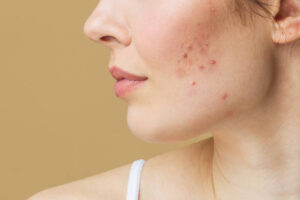
Rough skin texture can develop when dead skin cells accumulate, natural hydration decreases, or the skin’s structural condition changes. These factors can make the complexion appear less smooth and reduce its natural radiance.
Exosome-based treatments are designed to support skin-quality processes rather than directly remove the outer layers of the skin. Their potential regenerative properties have made them an area of interest for individuals concerned about uneven texture.
By supporting cellular communication and tissue maintenance, exosomes may contribute to improvements in the overall appearance of the skin. The results are influenced by the underlying cause of the texture concern.
Exosomes Therapy and Skin Hydration
Hydration plays an important role in maintaining a smooth and healthy-looking skin surface. Well-hydrated skin generally appears softer, more flexible, and naturally radiant.
When the skin lacks sufficient moisture, fine lines and rough areas may become more noticeable. Maintaining the skin’s moisture balance is therefore an important part of improving its overall appearance.
Exosomes are primarily associated with cellular signalling rather than functioning as conventional moisturising ingredients. However, their potential role in supporting skin-cell activity has generated interest in their contribution to overall skin quality.
A balanced approach to skin rejuvenation considers hydration, skin structure, and cellular maintenance together.
Can Exosomes Therapy Help With Fine Lines?
Fine lines are among the common visible changes associated with ageing. They may become more noticeable as collagen production, skin elasticity, and natural tissue support change over time.
Exosome therapy is being explored for its potential to influence cellular activities associated with skin repair and structural maintenance. These properties may help support a smoother-looking complexion and improve the appearance of certain age-related texture concerns.
However, exosomes should not be considered a guaranteed solution for removing wrinkles. Their potential benefits depend on individual skin conditions, treatment techniques, and the specific exosome formulation.
Improving Skin Radiance and Overall Appearance
Uneven texture can affect how light reflects from the skin, making the complexion appear dull or tired. A smoother surface often creates a more refreshed and radiant appearance.
Exosome-based aesthetic approaches focus on supporting biological processes that contribute to skin quality. Their potential influence on cellular communication and regeneration has made them an emerging option in skin rejuvenation research.
When skin texture and overall quality improve, the complexion may appear more balanced and refreshed. However, visible radiance depends on several factors, including hydration, pigmentation, and natural skin characteristics.
Who May Consider Exosome Therapy?
Individuals concerned about uneven skin texture, dullness, fine lines, or changes in skin quality may be interested in learning about exosome-based aesthetic treatments.
The approach may be considered as part of a broader skin-rejuvenation plan for people seeking improvements in their complexion’s overall appearance.
Treatment suitability depends on individual skin concerns, medical history, the formulation being used, and the method of application. A professional assessment is important to determine whether an exosome-based approach is appropriate for a particular skin concern.
Factors That Influence Treatment Results
The visible outcome of exosome therapy can vary considerably from one individual to another. Existing skin condition is one of the important factors because different texture concerns may have different underlying causes.
Age, skin elasticity, collagen levels, hydration, and the degree of unevenness can also influence the appearance of the skin. The formulation and delivery method are equally important considerations.
It is also important to understand that exosome products and aesthetic protocols are not all identical. Their biological sources, composition, processing, and regulatory status can differ. These differences make professional evaluation and product quality particularly important.
Exosome Therapy as an Emerging Skin-Rejuvenation Approach
Interest in regenerative aesthetics continues to grow as researchers explore ways to support natural skin functions. Exosomes represent an emerging area of investigation because of their ability to carry biological signals between cells.
Although early research has identified promising possibilities, more high-quality human clinical studies are needed to establish their effectiveness, long-term outcomes, and appropriate treatment protocols for cosmetic skin concerns.
Understanding the current stage of research helps individuals develop realistic expectations and make informed decisions about skin-rejuvenation options.
Conclusion
Exosome therapy has attracted attention for its potential role in improving skin texture through cellular communication, regeneration-related signalling, and support for collagen-associated processes. It may offer possibilities for addressing roughness, uneven texture, fine lines, and dull-looking skin. However, its cosmetic effectiveness is still being investigated, and results are not guaranteed. Understanding individual skin needs, treatment methods, and the available clinical evidence is essential when considering this emerging aesthetic approach.
Frequently Asked Questions
Does exosome therapy help improve skin texture?
Exosome therapy is being investigated for its potential to support skin-cell communication and regeneration-related processes that may contribute to smoother-looking skin.
Can exosome therapy help with rough skin?
It may support skin-quality processes associated with a smoother appearance. However, improvements depend on the underlying cause of roughness and the treatment approach.
How do exosomes support skin regeneration?
Exosomes carry biological signalling molecules that facilitate communication between cells and may influence activities associated with tissue maintenance and regeneration.
Can exosome therapy improve collagen production?
Research is exploring the potential influence of exosomes on cellular pathways associated with collagen production. The extent of any cosmetic benefit has not yet been firmly established.
Is exosome therapy suitable for ageing skin?
It may be considered for certain skin-quality concerns associated with ageing. Suitability depends on individual skin characteristics and professional assessment.
Can exosome therapy improve dull-looking skin?
Exosome-based approaches are being explored for their potential to support overall skin quality, which may contribute to a fresher-looking complexion.
Does exosome therapy help reduce fine lines?
It may influence biological processes associated with skin structure and maintenance. However, its effectiveness for reducing fine lines requires further clinical research.
Are all exosome therapy treatments the same?
No. Exosome products can differ in biological source, composition, preparation, and application method. These differences can influence their characteristics and suitability.
When can improvements in skin texture become noticeable?
The timing and extent of visible changes are not established consistently. Individual skin conditions, product formulations, and application methods can influence the outcome.
Is exosome therapy a proven treatment for skin rejuvenation?
Exosome therapy is an emerging area of aesthetic research. Early findings are promising, but further high-quality clinical evidence is needed to confirm its effectiveness for cosmetic skin rejuvenation.