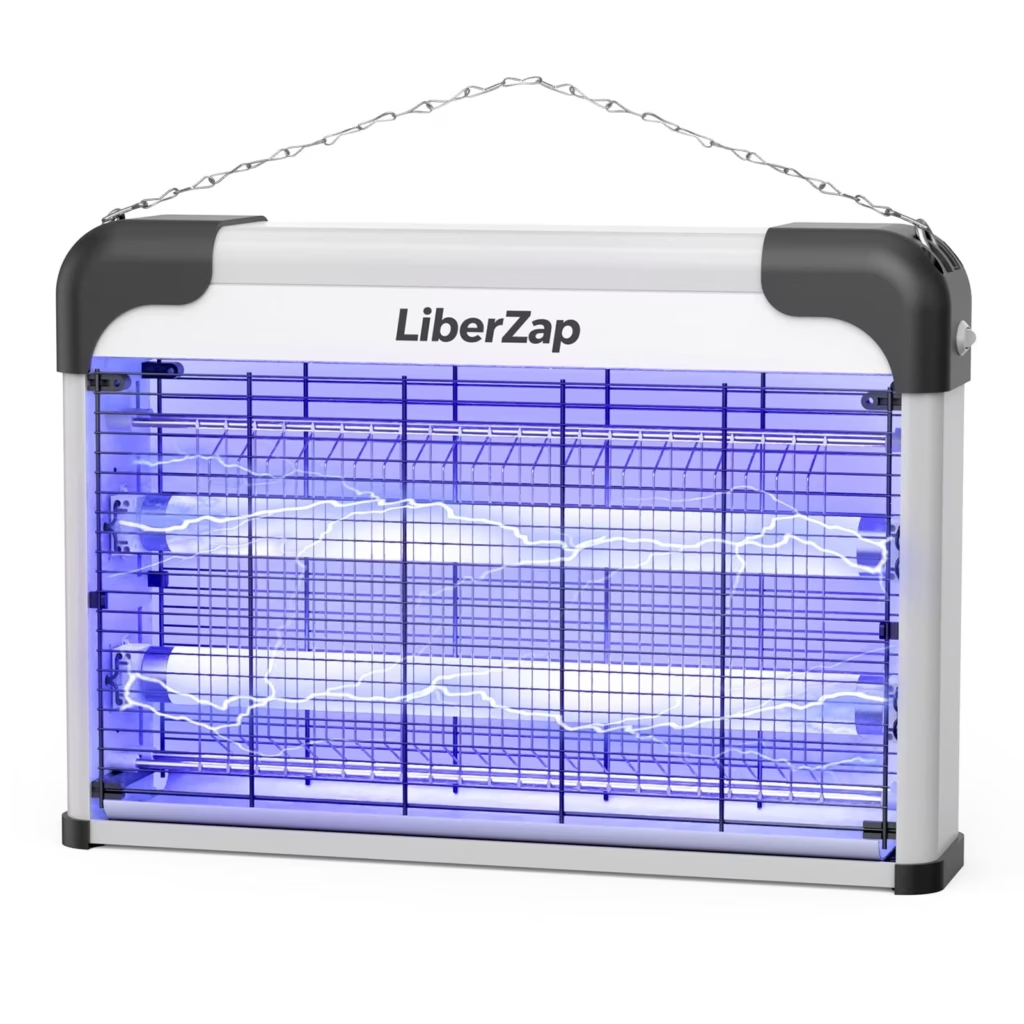
Flyzappers do a great job keeping bugs away, but using one the right way matters just as much as picking a good model in the first place. Here’s what you actually need to know before you plug one in, especially if there’s kids or pets around, or you just want the thing to last without any weird mishaps.
Fly zappers work, no argument there, but a lot of people just plug one in and forget there’s actual electricity and a live grid sitting in their kitchen. It’s not complicated to use one safely, but there’s a bunch of small stuff people overlook constantly. Some of it’s just common sense honestly, some you’d only know if you bothered reading the manual, which let’s be real, almost nobody does. So let’s go through the stuff that actually matters so you’re not causing a problem for yourself or anyone else at home.
Keep It Away From Kids And Curious Hands
This one gets ignored way more than it should, and it’s probably the biggest deal on this whole list. Kids poke at things, that’s just what they do, and a zapper with an exposed or poorly guarded grid isn’t something you want little fingers anywhere near. Even with mesh guards on there, it’s still smarter to mount it up high somewhere, just out of easy reach, better safe than dealing with a scared crying kid later. A lot of the accidents that happen with these aren’t because the product itself was bad, it’s just bad placement, plain and simple. So think about where you’re putting it before you think about anything else really.
Don’t Place It Near Water Or Damp Areas
Electricity and water don’t mix, everybody knows that, yet people still hang zappers near sinks or out on patios during rainy months without thinking twice. Moisture messes with the wiring over time, even if it doesn’t short out right away, it shortens how long the thing lasts and just creates risk down the road. If you’re running one outside, make sure it’s actually rated for outdoor use, not just some indoor unit you dragged out there because it seemed fine. The packaging usually tells you straight up whether it can handle damp conditions, so check before you assume.

Keep Pets At A Safe Distance Too
Dogs and cats are nosy little things, they’ll sniff at anything new, including some buzzing light that’s pulling in bugs from across the room. Most zappers are built so pets can’t get shocked easily, but curious paws and noses have a weird way of finding whatever gap exists in the design. Best to keep it somewhere your pet doesn’t have constant access to, at least until you’re sure it’s not gonna become their new chew toy. A lot of people just skip the floor placement entirely and go with hanging it instead, solves the whole issue pretty fast honestly.
Never Touch The Grid While It’s Plugged In
Sounds obvious when you say it out loud, but people clean these things while they’re still running, which, yeah, not a great idea no matter how careful you think you’re being. Always unplug before touching anywhere near the grid or the tray, every single time. A quick zap from touching it probably won’t kill you, but it’s unpleasant and there’s genuinely zero reason to risk it. Just get in the habit, unplug first, clean second, no shortcuts even when you’re in a hurry and just want it done.
Give It Proper Ventilation And Space
These things do put off a bit of heat while running, especially older models with those fluorescent style tubes instead of LED ones. Shoving one into a tight shelf or closed-off cabinet isn’t great, not for the device and definitely not for fire safety in general. Give it a few inches of breathing room on each side so heat can actually escape instead of just building up inside. Matters more for the ones running all day long versus something you only switch on for a few hours at night.
Check The Electrical Cord Regularly
Easy thing to forget once the zapper’s just been sitting in the same spot for months. Cords fray, especially if they’re running along a wall or through some area where people walk and accidentally catch their foot on it. A damaged cord attached to something carrying electrical current already is basically just asking for a problem eventually. It takes like ten seconds a month to glance at the cord and the plug, not a huge task but it genuinely matters more than people think.
Don’t Use Indoor Models Outside
Happens way more than you’d guess honestly. Someone buys an indoor flyzapper, it works great in the kitchen for a few weeks, then they figure hey, it’ll probably be fine on the porch too. Indoor units usually aren’t built for rain or humidity or temperature swings the way outdoor rated ones are. Using the wrong type outside can make it fail way faster, or worse, turn into an actual hazard if water gets into the wiring somehow. Always double check the specs before you move something from inside to outside, don’t just assume it’ll be fine.
Dispose Of Dead Insects Properly
Not really a safety thing exactly, more of a hygiene one, but still worth mentioning here. Trays full of dead flies sitting around too long can turn into a bit of a bacteria situation, especially if it’s warm out. Empty the tray regularly, don’t let it pile up for weeks just because, you know, nobody loves doing it. Washing your hands after is a smart habit too since you’re handling bugs that could’ve picked up who knows what before getting zapped.
Be Careful With Placement Near Food Areas
Zappers pull insects in close, and sometimes little fragments scatter a bit when the actual zap happens, not a huge amount but still. Putting one right over your kitchen counter or dinner table isn’t the best call for obvious reasons. Keep some distance between it and anywhere food gets prepped, maybe closer to a doorway or window instead since that’s usually where flies get in anyway. Keeps things cleaner overall and avoids an awkward moment mid meal that nobody wants.

Read The Manual, Seriously
Nobody wants to read the manual for a bug zapper, I get it, it feels unnecessary. But manufacturers put specific guidelines in there for a reason, voltage stuff, how many hours it should run, cleaning instructions, and it does vary between brands more than you’d expect. A five minute skim can save you from a mistake that either wrecks the unit or turns into an actual safety issue later on. Boring, yeah, but it’s probably the easiest precaution on this whole list and somehow the one everybody skips without a second thought.
Conclusion
At the end of the day, flyzappers are safe and they do their job well as long as you’re actually using them the way they’re supposed to be used. Nothing here is complicated really, keep it away from kids and pets, don’t touch the grid while it’s live, glance at the cord now and then, use the right model for the right spot. A bit of common sense goes a long way toward making sure the thing works without causing drama for anyone in the house. Skip the shortcuts, stick to the basics, and honestly you’ll get years out of it without any issues worth mentioning.
FAQs
Can fly zappers hurt kids if they touch them?
Most newer ones come with guards or protective casings, but it’s still better to keep them out of reach, direct contact with the grid can still give an unpleasant little shock.
Is it safe to use a fly zapper outdoors?
Only if it’s actually rated for outdoor use, indoor models aren’t built to deal with rain or humidity and could turn into a real safety problem out there.
How often should I clean my fly zapper for safety reasons?
Every week or two is usually enough, keeps things hygienic and stops the tray from turning into some bacteria buildup situation over time.
Should I unplug the fly zapper before cleaning it?
Yeah, always, touching the grid while it’s still powered isn’t something worth risking even for a quick second.
Are fly zappers dangerous for pets?
Not usually, most are designed to prevent contact, but curious pets sometimes find a gap somehow, so keeping it elevated or out of easy reach is just the safer bet overall.