Excavation Services
You need excavation work done right the first time to avoid costly delays, unexpected site problems, and safety risks. A qualified excavation contractor handles site preparation, grading, trenching, and drainage so your project stays on schedule and within budget.
Knowing what to look for—experience with residential or commercial sites, proper equipment, permits, and clear communication—lets you choose the contractor who matches your project’s scope and timeline. This article breaks down what excavation services cover and gives practical guidance for selecting the right team so you can move forward with confidence.
Excavation Services Overview
Excavation prepares ground for foundations, utilities, and landscapes by removing, moving, and shaping soil and rock. You’ll encounter different project types, specialized machines, and careful site assessment before any digging begins.
Types of Excavation Projects
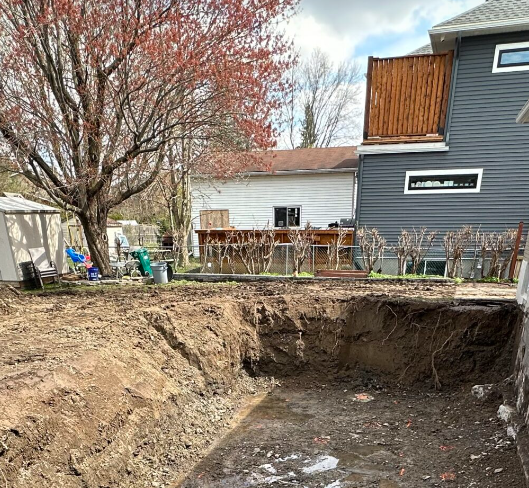
Excavation projects range from small residential jobs to large infrastructure works. Common residential tasks include foundation digging, basement excavation, pool or pond excavation, and trenching for utilities. These typically require precision to protect nearby structures and meet building codes.
On commercial and municipal sites you’ll see mass grading, roadway cut-and-fill, utility corridors, and stormwater detention basins. These projects demand larger-scale earthmoving, phasing plans, and traffic or environmental controls.
Specialty excavation covers rock removal, slope stabilization, and remediation of contaminated soils. Each specialty may need blasting permits, protective shoring, or hazardous‑material handling protocols. You should confirm scope, permits, and expected disruptions before work starts.
Common Equipment Used
Excavators provide the backbone of most digs; tracked excavators handle uneven ground while wheeled models work well on paved surfaces. Backhoes offer versatility for smaller sites, combining digging and loading capability.
Bulldozers and graders perform mass grading and create final grades; compactors and rollers ensure soil compaction to engineered specifications. For trenches and utility installation, trenchers and mini‑excavators reduce surface disturbance and increase accuracy.
Support equipment includes dump trucks for spoil removal, cranes for lifting large components, and pumps for dewatering. You should verify that operators are certified and that machines meet site‑specific size, emissions, and noise constraints.
Site Assessment and Planning
Site assessment begins with soil testing, utility locates, and topographic surveys to identify subsurface conditions and potential risks. You need geotechnical reports that specify bearing capacity, water table depth, and presence of unsuitable fill or rock.
Planning covers erosion and sediment control, stormwater management, permit acquisition, and shoring design for deep excavations. Safety considerations include traffic control, pedestrian protection, and confined‑space procedures for deep or long trenches.
A practical plan lists sequence of operations, equipment staging, spoil storage, and contingency measures for rain or high groundwater. You should require a written site plan and communication protocol before crews mobilize.
Choosing the Right Excavation Contractor
You need a contractor who combines proven qualifications, strict safety practices, and transparent pricing. Focus on credentials, documented safety records, and line-item estimates to avoid delays and surprise costs.
Key Qualifications to Consider
Verify the contractor’s license and insurance before any work begins. Ask for a copy of their general liability insurance and workers’ compensation certificates; confirm coverage limits and effective dates with the insurer.
Check experience specific to your job type—residential footing excavation differs from large commercial site stripping. Request references and recent project photos that show similar scale, soil conditions, and equipment used.
Confirm equipment ownership and maintenance records. Contractors that own matched excavators, compactors, and haul trucks and maintain service logs reduce downtime risks. Also verify key personnel: project supervisor names, certifications (e.g., OSHA 10/30, equipment operator credentials), and who will be your on-site contact.
Safety Practices and Compliance
Ask for a written safety plan tailored to your site. The plan should include trenching/shoring procedures, utility-locate protocols, traffic control, and emergency response steps specific to foreseeable hazards.
Require proof of utility clearance and locates before breaking ground. Confirm the contractor uses one-call services and provides documented scans or locate tickets for water, gas, electric, and telecom lines.
Review training and inspection records. Look for daily pre-job briefs, confined-space procedures when applicable, and regular equipment inspections. Request the contractor’s OSHA incident rate or a summary of past safety incidents and corrective actions.
Cost Factors and Estimates
Get at least three detailed, line-item quotes rather than lump-sum bids. Each estimate should separate mobilization, excavation by cubic yard or hour, dewatering, shoring, haul-off and disposal, and backfill/compaction.
Clarify assumptions that affect price: access constraints, rock or boulder removal, groundwater control, and permits. Ask how unexpected findings—ledges, undocumented utilities, or contamination—will be priced and approved.
Confirm payment schedule and retainage terms. Tie progress payments to measurable milestones (e.g., mobilization complete, excavation to grade) and keep final payment contingent on delivered documentation: lien waivers, signed inspection reports, and as-built grade certificates.