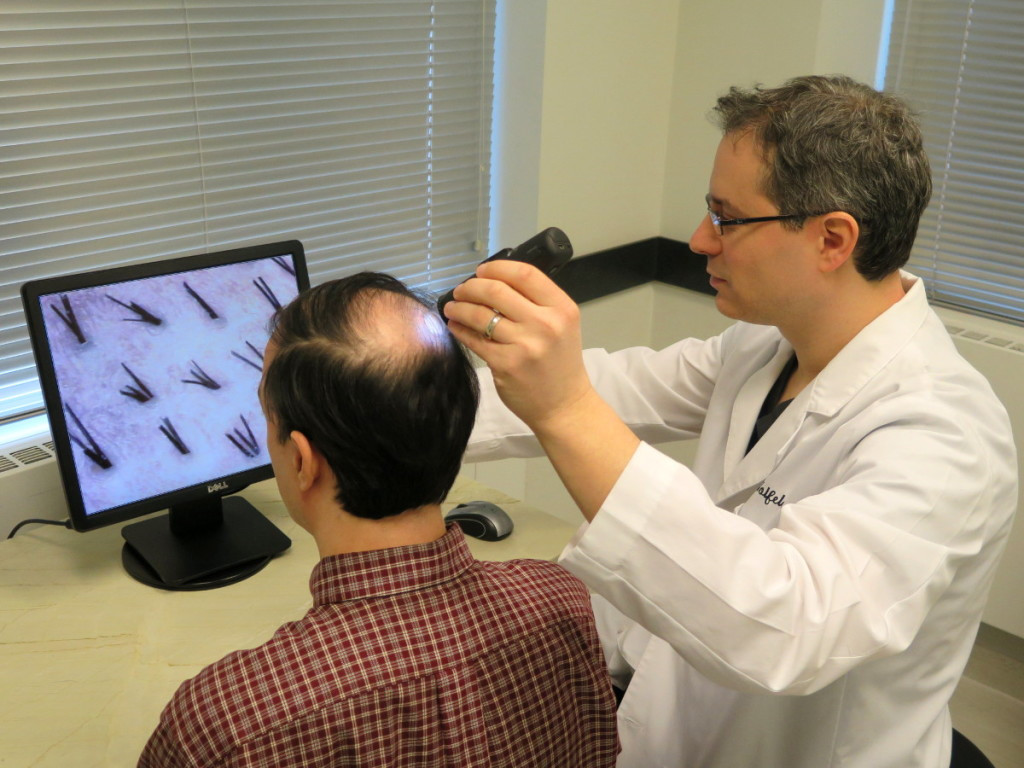
Hair loss can affect more than appearance. For many people, changes in the hairline, reduced density, or visible thinning across the scalp can influence confidence and personal style. Modern hair restoration options offer different ways to address these concerns, but achieving a natural-looking result requires more than simply adding hair or covering areas of reduced growth. The choice of technique, hairline design, colour matching, density, and compatibility with existing hair all contribute to the final appearance.
When considering Hair Replacement in Dubai, it is important to understand that the term covers several approaches, including surgical hair transplantation, non-surgical hair systems, and other restoration solutions. Each option serves different needs. A transplant may be suitable for someone with sufficient donor hair, while a custom hair system may provide immediate coverage without surgery. The most appropriate approach depends on the pattern of hair loss, scalp condition, lifestyle, expectations, and available maintenance options.
Natural results should look appropriate for the person’s age, facial proportions, and existing hair characteristics. An overly straight hairline, excessive density, or a noticeable difference in texture can make a restoration look artificial. Careful planning and realistic expectations are therefore essential.
Dubai offers a range of aesthetic and healthcare providers, making it useful to compare their services, professional qualifications, consultation processes, and aftercare arrangements. Understanding how each provider approaches hair restoration can help individuals make informed decisions rather than choosing a service based on promotional claims alone.
Factors That Help Create a Natural Hair Replacement Result
A convincing appearance depends on several interconnected details. These considerations apply differently to surgical and non-surgical solutions, so the selected method should match the individual’s needs.
A Hairline That Suits Facial Proportions
The hairline frames the face and strongly influences the overall result. A natural hairline typically incorporates subtle irregularities rather than forming a perfectly straight, sharply defined edge. Its position should account for forehead height, facial proportions, age, and the likelihood of future hair loss.
For surgical procedures, the practitioner must also consider the availability of donor follicles. Placing the hairline too low may require more grafts than necessary and could limit options for addressing future thinning.
With non-surgical hair systems, the front edge, attachment method, and styling flexibility are equally important. A carefully fitted system should blend with the forehead and surrounding hair without creating an obvious boundary.
Appropriate Density and Hair Direction
Adding more hair does not automatically produce a better result. Excessive density may look unnatural, particularly around the frontal hairline. A balanced approach considers the existing hair, the size of the thinning area, and the intended hairstyle.
Hair direction also matters. During transplantation, graft placement must account for the natural angle and orientation of hair growth. With hair systems, the direction of the fibres and the way they are styled influence how convincingly the replacement blends with existing strands.
Colour, Texture, and Length Matching
Differences in colour, curl pattern, thickness, and texture can make replacement hair more noticeable. Matching these characteristics helps create a consistent appearance, especially around the temples and sides.
For non-surgical systems, colour matching should account for natural variations rather than relying on a single shade. Regular trimming and professional adjustments may be necessary as the surrounding hair changes.
A Suitable Solution for the Type of Hair Loss
Not every individual is a suitable candidate for the same technique. Pattern hair loss, scarring, traction-related thinning, and temporary shedding may require different approaches.
A medical assessment can help identify the underlying cause before a treatment decision is made. Hair transplantation redistributes existing follicles rather than creating new ones, while a hair system provides cosmetic coverage without restoring biological growth. Understanding this distinction helps establish realistic expectations.
Hair Restoration and Replacement Providers in Dubai
Different providers may offer surgical restoration, non-surgical systems, or broader hair and scalp services. The following organisations can be considered when researching available options. Their specific services, practitioner credentials, and current offerings should be confirmed directly before making an appointment.
Dynamic Life Clinic
Dynamic Life Clinic is an aesthetic healthcare provider in Dubai that prospective patients may consider when exploring appearance-related treatments. Individuals interested in hair restoration should ask whether the clinic offers the particular surgical or non-surgical solution they need.
A useful consultation should cover the pattern of hair loss, suitability for treatment, anticipated maintenance, and realistic outcomes. Patients should also clarify who performs the procedure, what qualifications they hold, and whether follow-up appointments are included.
King’s College Hospital London Dubai
King’s College Hospital London Dubai provides a hospital-based healthcare setting. People experiencing hair loss may benefit from understanding whether an appropriate dermatology or specialist consultation is available for their circumstances.
Before pursuing cosmetic restoration, identifying possible medical contributors to thinning can be important. A specialist assessment may help determine whether further investigation or treatment is appropriate before considering transplantation or a cosmetic hair replacement system.
Cocoona Clinic
Cocoona Clinic is another provider to research when comparing aesthetic services in Dubai. Prospective patients should confirm the availability of relevant hair restoration treatments and determine whether the service addresses their particular concerns.
When discussing Hair Replacement in Dubai, patients should ask how the proposed method will accommodate their hairline, scalp characteristics, and daily styling habits. Clear information about maintenance, potential limitations, and expected results is important when comparing treatment options.
Enfield Royal Clinic
Enfield Royal Clinic is an option to consider when researching aesthetic services and discussing individual appearance-related concerns. Anyone exploring Hair Replacement in Dubai should confirm the clinic’s currently available procedures, the qualifications of the treating professional, and whether surgical transplantation or non-surgical replacement best fits their needs.
A useful consultation should assess the individual’s goals and explain the differences between available solutions. Patients should discuss hairline design, density, colour matching, maintenance requirements, and any limitations that could affect the final appearance. Where transplantation is being considered, donor hair availability and the potential for continued hair loss also deserve attention.
Before proceeding, prospective patients should request a clear treatment plan, an explanation of possible risks, and details of follow-up care. These discussions can help establish realistic expectations and make it easier to compare the proposed approach with alternatives.
Emirates Hospital
Emirates Hospital is a healthcare provider in Dubai that patients may research when looking for medical assessment related to hair and scalp concerns. Availability of specific dermatology, surgical hair restoration, or hair replacement services should be verified with the hospital.
For individuals whose thinning may have an underlying medical cause, a suitable clinical evaluation can help guide the next steps. If a cosmetic procedure is being considered, patients should ask about practitioner experience, treatment suitability, recovery requirements, and the arrangements for managing complications.
Tajmeels Clinic
Tajmeels Clinic may be included in a comparison of aesthetic providers in Dubai. Prospective patients should contact the clinic to verify which hair restoration options are currently available and whether they are appropriate for the type of hair loss being addressed.
A detailed discussion should cover the expected appearance, treatment limitations, and long-term upkeep. For non-surgical replacement, questions about attachment methods, scalp comfort, cleaning, and periodic refitting can be especially useful. For surgical options, the consultation should address candidacy and realistic growth expectations.
Dubai Cosmetic Surgery Clinic
Dubai Cosmetic Surgery Clinic is another provider worth researching when comparing cosmetic treatment options. Patients should verify whether the clinic offers the specific hair restoration procedure they are considering and review the credentials of the professional responsible for treatment.
A well-planned approach should consider facial proportions, existing hair, and the long-term pattern of hair loss. Prospective patients should also ask how results are evaluated, what aftercare is required, and whether follow-up support is available if adjustments become necessary.
Al Zahra Hospital Dubai
Al Zahra Hospital Dubai provides a hospital-based setting for healthcare services. Individuals investigating hair loss should confirm whether the relevant dermatology or hair restoration expertise is available for their needs.
A medical assessment can be particularly helpful when thinning is sudden, widespread, or accompanied by scalp irritation. Before selecting a cosmetic solution, patients should understand whether the condition requires medical management and whether the proposed procedure is suitable for their health and scalp condition.
How to Choose the Right Clinic for Hair Replacement in Dubai
Choosing a provider involves evaluating more than the advertised procedure or the initial price. The consultation should establish whether the treatment is appropriate, what results are realistic, and how the outcome will be maintained.
Experience and Qualifications
Ask about the qualifications and relevant experience of the professional who will perform the procedure. For surgical transplantation, clarify who plans and performs the operation, their training, and their experience managing complications.
For non-surgical systems, ask about experience with fitting, hairline design, colour matching, and ongoing adjustments. Examples of comparable cases may help illustrate the provider’s approach, although individual outcomes can differ.
Technology and Techniques
Understand exactly what the proposed treatment involves. Surgical transplantation, custom hair systems, and other restoration methods have different purposes, costs, and maintenance requirements.
A provider should explain why a particular technique is suitable rather than recommending the same solution to everyone. Ask about the limitations, alternatives, expected timeline, and the circumstances in which another approach might be more appropriate.
Safety Standards
For surgical procedures, confirm that treatment takes place in an appropriately licensed facility with suitable infection-control and emergency arrangements. Discuss anaesthesia, potential complications, recovery, and any medical conditions or medications that could affect treatment.
For non-surgical replacement, ask about scalp hygiene, adhesives, skin sensitivity, and safe removal. Persistent redness, itching, or discomfort should not be ignored.
Consultation Process
A thorough consultation should include a discussion of the history and pattern of hair loss, existing hair density, scalp condition, personal preferences, and desired outcome. Depending on the circumstances, medical assessment or further investigation may be recommended.
The provider should explain the differences between permanent redistribution of follicles and temporary cosmetic coverage. Patients should have enough information to make a considered decision without feeling pressured to book immediately.
Patient Experience and Aftercare
Ask what support is provided after treatment. Surgical transplantation may require careful scalp care and follow-up to monitor healing and growth. Non-surgical systems may need regular cleaning, maintenance, adjustment, or replacement.
Clarify the expected appointment schedule, additional costs, and whom to contact if concerns arise. A written treatment and aftercare plan can make the process easier to manage.
Expected Results and Long-Term Planning
No responsible provider can guarantee a particular cosmetic outcome. Surgical results depend on factors such as donor hair quality, healing, graft survival, and the progression of hair loss. A transplant also does not prevent untreated hair from continuing to thin.
Hair systems can provide visible coverage without waiting for biological growth, but their appearance and comfort depend on fit, materials, maintenance, and appropriate styling. Consider how much time and money you are willing to spend on upkeep before selecting a solution.
Frequently Asked Questions
What makes hair replacement look natural?
A natural appearance depends on suitable hairline design, appropriate density, realistic hair direction, and a close match in colour and texture. Proper fitting or surgical planning, depending on the method, also contributes to a convincing result.
Is hair replacement the same as hair transplantation?
No. Hair transplantation is a surgical procedure that moves follicles from one area of the scalp to another. Non-surgical hair replacement usually involves a custom hair system that provides cosmetic coverage without moving or restoring follicles.
How long does hair replacement last?
The lifespan varies by method. Transplanted follicles can continue growing over the long term, although surrounding hair may continue to thin. Non-surgical systems generally require ongoing maintenance, adjustments, and eventual replacement depending on their materials and use.
Can hair replacement work for extensive hair loss?
It can be an option, but suitability depends on the method. Extensive hair loss may limit the donor supply available for transplantation, making a hair system worth discussing. A qualified professional can explain which approaches are realistic for the individual’s circumstances.
What should I ask during a hair replacement consultation in Dubai?
Ask about the provider’s qualifications, available techniques, expected results, risks, maintenance, total costs, and follow-up arrangements. Request a clear explanation of why the proposed method suits your type of hair loss and what alternatives are available.
Conclusion
Creating a natural-looking hair restoration result requires careful attention to hairline design, density, texture, colour, and the individual’s pattern of hair loss. The right solution may involve surgical transplantation, a non-surgical hair system, or medical treatment when an underlying scalp condition needs attention.
When researching Hair Replacement, compare providers based on verified qualifications, treatment suitability, safety standards, transparent pricing, and aftercare rather than relying solely on promotional claims. A detailed consultation can clarify what each approach can realistically achieve and how much maintenance it requires. With informed planning and appropriate expectations, individuals can choose a solution that complements their appearance and fits their long-term needs.