Every pet parent wants the same thing: a dog or cat that feels energetic, keeps a healthy weight, and lives a long life. Food is the biggest daily lever you control. With so many formats on the shelf, from kibble to fresh pet dog food, plus supplements, social media trends, and recall headlines, choosing well can feel overwhelming.
This guide gives clear, practical answers on what makes pet food healthy, how dogs and cats differ nutritionally, how to read a label, how to handle recalls, and where gut-health products like Pawbiotix fit into a smart pet care routine.
What Is Healthy Pet Food? (Quick Answer)
Healthy pet food is complete and balanced for your pet’s life stage, made with identifiable high-quality ingredients, and produced by a company with strong quality control and safety testing. It supplies the right amounts of protein, fats, carbohydrates, vitamins, minerals, and water without excess calories or unnecessary fillers.
Three checkpoints help you judge any food:
- Completeness: The label should state that the food is formulated to meet nutritional standards for a specific life stage (growth, adult maintenance, or all life stages).
- Quality: Named protein sources (such as chicken, salmon, or lamb) should appear at the top of the ingredient list.
- Safety: The manufacturer should be transparent about sourcing, testing, and its recall history.
If a food meets all three, it is likely a solid foundation for your pet’s diet. Your veterinarian can then help you fine-tune it.
What Nutrients Do Dogs Need?
Dogs are omnivores with a flexible digestive system. They thrive on a diet built around six essential nutrient groups.
Protein builds muscle, supports the immune system, and helps repair tissue. Adult dogs generally need a solid protein base from animal sources, and puppies need more to support growth.
Fats provide concentrated energy and carry fat-soluble vitamins. Omega-3 and omega-6 fatty acids support skin, coat, joints, and brain function.
Carbohydrates supply energy and fiber. Digestible sources such as oats, brown rice, sweet potato, and peas can support steady energy and healthy digestion when used in sensible amounts.
Vitamins and minerals support bones, nerves, metabolism, and immunity. Calcium and phosphorus must be balanced, which is especially important for large-breed puppies.
Fiber feeds beneficial gut bacteria and keeps stools firm and regular.
Water is the most overlooked nutrient. Dogs on dry food need constant access to fresh water, and they may drink more than dogs eating moisture-rich diets.
What Nutrients Do Cats Need?
Cats are obligate carnivores, which means their bodies are built to get key nutrients from animal tissue. A cat food that works for a dog can leave a cat deficient, so never swap them.
Taurine is an amino acid cats cannot make in sufficient amounts. A deficiency can lead to serious heart and vision problems, so reputable cat foods always add it.
Higher protein is essential. Cats use protein for energy more than dogs do, and they need a consistent supply of animal-based amino acids.
Arachidonic acid and preformed vitamin A must come from the diet, since cats cannot efficiently convert plant precursors the way many other animals can.
Moisture matters a great deal. Cats have a low thirst drive and evolved to get much of their water from prey. Wet or fresh foods can help support urinary tract health, while dry-only diets may require extra effort to encourage drinking.
Niacin and arginine are also required in the diet, and a lack of arginine can be dangerous quickly.
Dogs vs Cats: Key Nutritional Differences
| Factor | Dogs | Cats |
|---|---|---|
| Diet type | Omnivore (flexible) | Obligate carnivore |
| Protein need | Moderate to high | Higher |
| Taurine | Usually made in the body | Must come from food |
| Water intake | Drinks readily | Often needs encouragement |
| Carbohydrate tolerance | Digests well | Limited need |
| Feeding style | Meal feeding works well | Often prefers small, frequent meals |
The takeaway: feed species-specific food, and never use dog food as a regular cat diet.
How Do You Read a Pet Food Label?
Start with the nutritional adequacy statement, which tells you whether the food is complete and balanced and for which life stage. A food labeled for “intermittent or supplemental feeding only” is not meant to be a main diet.
Then work through these elements:
The ingredient list. Ingredients are listed by weight before cooking, so fresh meat, which contains a lot of water, can appear higher than it contributes after processing. Look at the first five ingredients as a whole, and note whether a meat meal or a named protein appears near the top.
The guaranteed analysis. This lists minimum crude protein and fat and maximum fiber and moisture. To compare foods fairly, especially a dry food against a canned or fresh one, compare them on a dry-matter basis, since moisture differs widely.
Calorie content. Look for kilocalories per cup or per can. Two foods can look similar and differ greatly in calorie density, which matters for portion control.
Vague terms. Phrases such as “meat by-products” are not automatically bad, but “animal digest” or unnamed sources offer less transparency than named ones.
Marketing words. Terms like “premium,” “gourmet,” and “natural” have little regulatory weight on their own. Rely on the adequacy statement and the manufacturer’s transparency instead.
Is Fresh Pet Dog Food Worth It?
Fresh pet dog food, meaning gently cooked, refrigerated or frozen meals made with recognizable whole ingredients, has grown rapidly in popularity. Many owners like its palatability and ingredient visibility.
Potential benefits:
- High palatability, which helps picky eaters
- Recognizable meats and vegetables
- Higher moisture content than dry food
- Less processing than extruded kibble
Possible drawbacks:
- Higher cost per day, especially for large dogs
- Refrigerator or freezer space required
- Shorter shelf life once opened or thawed
- Need to confirm the recipe is complete and balanced, not just appealing
Fresh food is not automatically better for every dog. A well-formulated kibble made by a reputable company can be a perfectly healthy choice, and many owners use a hybrid approach, mixing fresh food with a quality dry base to balance budget and benefit. If you want to add fresh toppers, keep them modest so you do not unbalance the diet.
Kibble, Canned, Raw, or Fresh: Which Format Is Best?
There is no single best format. The right choice depends on your pet’s health, your budget, and your routine.
Dry kibble is convenient, shelf-stable, and cost-effective. It can also support dental routine when paired with brushing, though kibble alone does not clean teeth.
Canned food offers more moisture and is often highly palatable, which suits cats, seniors, and pets with dental trouble.
Fresh-cooked food offers ingredient transparency and appeal but costs more and needs careful storage.
Raw diets attract strong opinions. They can carry a higher risk of bacterial contamination such as Salmonella and Listeria, which can affect pets and the people handling the food. If you are considering raw feeding, speak with your veterinarian first, practice strict hygiene, and choose products from companies with robust safety testing.
Freeze-dried and air-dried foods offer a shelf-stable middle ground, though they too should be complete and balanced.
What Should You Know About Pet Food Recalls?
Recalls happen across the industry, and a recall does not always mean a brand is untrustworthy. How a company responds is often the better signal. Searches such as “raaw energy pet food recall” show that owners actively want to verify the safety of what they feed, which is a healthy instinct.
If you are trying to confirm whether a specific product has been recalled, rely on official government recall listings and the brand’s own announcements rather than social media posts or forum rumors. Details in viral posts are often incomplete or outdated.
What to do if your pet’s food is recalled:
- Stop feeding the product immediately.
- Check the lot number, best-by date, and product name against the recall notice.
- Store or dispose of the food as instructed, keeping it away from pets and children.
- Wash bowls, scoops, and storage containers thoroughly, and wash your hands.
- Watch your pet for symptoms such as vomiting, diarrhea, lethargy, fever, or loss of appetite, and call your veterinarian if you notice any.
- Contact the retailer or manufacturer about a refund or replacement.
How to be proactive:
- Keep the original bag or a photo of the lot number.
- Sign up for the brand’s and retailer’s recall alerts.
- Buy from retailers with good turnover and storage practices.
- Store dry food in its original bag inside an airtight container to preserve the lot information.
Why Does Gut Health Matter for Pets?
A large share of your pet’s immune activity is connected to the digestive tract. A balanced gut microbiome, the community of bacteria living in the intestines, helps with digestion, nutrient absorption, and stool quality.
Digestive upsets can stem from sudden diet changes, stress, antibiotics, food sensitivities, or infection. Probiotics, which are live beneficial microorganisms, and prebiotics, which feed those microorganisms, are commonly used to support digestive balance. They are supportive tools and do not replace veterinary care for persistent symptoms.
Where Does Pawbiotix Fit In?
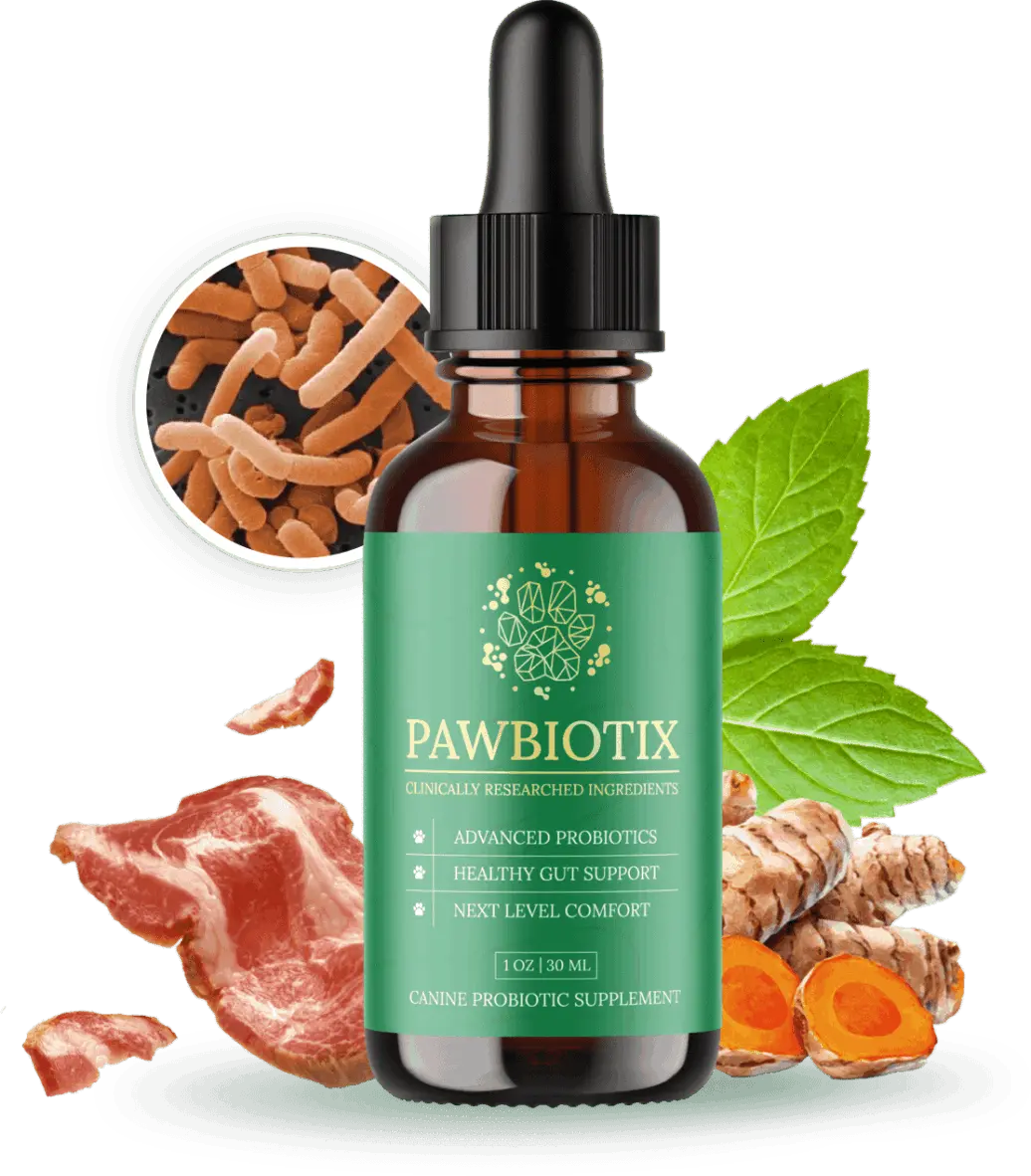
Pawbiotix is a name pet owners increasingly search for when looking into digestive and gut-health support for dogs and cats. Probiotic-style supplements like it are generally positioned as a daily addition to a pet’s diet rather than a substitute for food.
If you are researching Pawbiotix, a sensible approach is:
- Confirm the formula and ingredients directly from the manufacturer’s label.
- Check the species and size guidance, since dogs and cats have different needs.
- Ask your veterinarian whether a probiotic is appropriate, especially if your pet has a chronic condition, is on medication, or is very young or elderly.
- Introduce it gradually and monitor stool, appetite, and energy.
Supplements are not regulated like medications, so set realistic expectations. Look for clear labeling and transparent contact information from the brand.
What About Pawbiotix Colibrim?
Searches for “Pawbiotix Colibrim” suggest owners want specifics about a particular product or line. Because product details can change, the most reliable way to evaluate it is to read the current label and the manufacturer’s own product information.
Key questions to ask before buying any gut-health product, including Pawbiotix Colibrim:
- What are the active ingredients, and how are they listed on the label?
- Is the product made for dogs, cats, or both?
- What is the recommended serving for my pet’s weight?
- Does the company provide batch information and customer support?
- Is there a clear return or satisfaction policy?
Avoid any product that promises to cure disease. A trustworthy supplement describes itself as supportive and encourages you to consult a veterinarian.
How Should You Evaluate Pawbiotix Reviews and Colibrim Feedback?
When you search for “Pawbiotix reviews ,” you will find a mix of opinions. Use these tips to separate useful feedback from noise:
- Look for patterns, not single comments. Several owners mentioning the same result, positive or negative, is more meaningful than one dramatic story.
- Check for specifics. Helpful reviews mention the pet’s size, how long they used the product, and what changed.
- Be wary of extreme claims. Reviews promising miracle cures deserve skepticism.
- Consider timing. Digestive changes can take days or weeks, so a review written after one day is less informative.
- Remember every pet is different. A result for one dog may not apply to your cat.
Use reviews as one input alongside your vet’s guidance and the product’s label.
How Much Does Pawbiotix Cost? Price, Offers & Guarantee
Key Ingredients
Organic kelp powder, chlorella powder, Bacillus coagulans (probiotic), sodium copper chlorophyllin, palmitoylethanolamide (PEA), fennel seed powder, L-glutamine, chicory root inulin, flaxseed powder, turmeric root extract, and natural bacon-type flavor.
Pricing
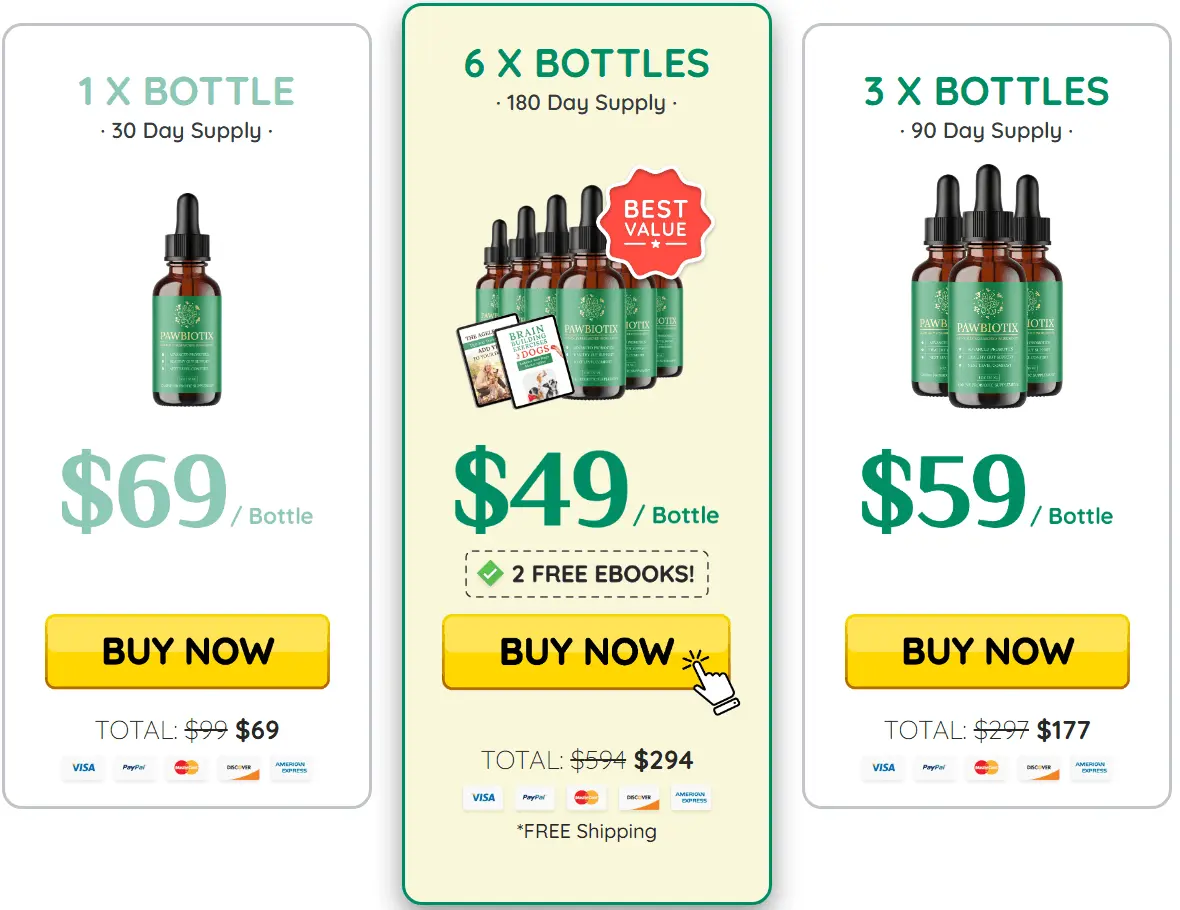
- Regular price: $99 per bottle
- Offer price: $49 per bottle
- Bundle or multi-bottle prices were not visible in the page text. They appear only in an image, so verify them on the order page.
Guarantee and Policies
- 60-day money-back guarantee. All bottles, including empty ones, must be returned.
- According to the website, the product is Made in USA, non-GMO, gluten-free, and manufactured in an FDA-registered facility.
ORDER NOW
How Should You Feed Dogs and Cats at Each Life Stage?
Puppies and kittens need calorie-dense, nutrient-rich food formulated for growth. Large-breed puppies need carefully controlled calcium to support steady bone development. Feed three to four small meals daily at first, tapering as they mature.
Adults need a maintenance diet that keeps them lean and active. Most adult dogs do well with two meals daily, while many cats prefer several small meals or controlled free feeding that does not lead to overeating.
Seniors often need fewer calories but still need quality protein to preserve muscle. Some benefit from joint-supporting nutrients and easier-to-eat textures. Regular bloodwork helps catch kidney, thyroid, and other issues early.
Pregnant or nursing pets need significantly more energy and nutrients. Ask your vet about switching to a growth or all-life-stages formula.
Pets with medical conditions such as allergies, kidney disease, diabetes, or pancreatitis may require a therapeutic diet. Do not self-prescribe in these cases.
How Much Should You Feed Your Pet?
Portion size depends on weight, age, activity, metabolism, and the calorie density of the food. Feeding guides on the bag are a starting point, not a rule.
Use the body condition check:
- You should feel your pet’s ribs easily with light pressure, without them being sharply visible.
- Viewed from above, there should be a visible waist behind the ribs.
- From the side, the belly should tuck up slightly.
If you cannot feel the ribs, your pet may be overweight. Excess weight raises the risk of joint problems, diabetes, and reduced lifespan. Measure food with a proper measuring cup or a kitchen scale instead of guessing, and count treats, which should stay under roughly ten percent of daily calories.
How Do You Switch Pet Foods Safely?
Sudden changes are a common cause of vomiting and loose stools. Transition gradually over seven to ten days:
- Days 1 to 3: 25 percent new food, 75 percent old food
- Days 4 to 6: 50 percent new, 50 percent old
- Days 7 to 9: 75 percent new, 25 percent old
- Day 10: 100 percent new food
For sensitive pets, stretch the transition to two weeks. Cats can be particularly stubborn, so go slowly and keep the old food available. If your pet refuses to eat for more than a day, especially a cat, contact your veterinarian, since prolonged fasting can be dangerous in cats.
How Do You Shop Smart for Pet Food?
Whether you shop online, at a supermarket, or at a specialty retailer such as Pet Food Express or a local independent store, the same principles apply.
- Choose retailers with high turnover so the food is fresh.
- Check the best-by date and avoid damaged or leaking packaging.
- Ask staff for guidance, but verify advice against the label and your vet’s recommendations.
- Buy appropriately sized bags. Large bags save money only if you can finish them before the food loses freshness, generally within about six weeks of opening.
- Compare cost per day, not cost per bag, by factoring in calorie density and serving size.
- Keep records of purchase dates and lot numbers in case of a recall.
Specialty pet stores often offer samples, loyalty programs, and knowledgeable staff, which helps when you are trialing a new food or a fresh pet dog food option.
What Are Everyday Pet Care Tips Beyond Food?
Good nutrition works best alongside consistent habits. These pet care advice basics support overall health:
- Fresh water daily, with clean bowls, ideally stainless steel or ceramic.
- Regular exercise, matched to breed, age, and ability. Cats benefit from play sessions and climbing spaces.
- Dental care, including brushing several times a week where possible.
- Routine veterinary visits, at least annually, and more often for seniors.
- Parasite prevention, tailored to your region.
- Mental enrichment, such as puzzle feeders, sniff walks, and rotating toys.
- Consistent routines, which reduce stress-related digestive upsets.
What Foods Are Dangerous for Dogs and Cats?
Some human foods are toxic. Never feed:
- Chocolate, caffeine, and xylitol (a sweetener found in some gum, baked goods, and peanut butters)
- Grapes and raisins
- Onions, garlic, chives, and leeks
- Alcohol and raw yeast dough
- Macadamia nuts
- Cooked bones, which can splinter
- Lilies and certain houseplants, which are especially dangerous to cats
If your pet eats something toxic, call your veterinarian or a pet poison helpline immediately and do not wait for symptoms.
Common Pet Nutrition Myths
Myth: Grain-free is always healthier. Grains are not inherently harmful for most dogs. Unless your pet has a diagnosed allergy, grain-free is not necessary, and you should discuss any such diet with your vet.
Myth: By-products are always bad. Quality organ meats can be nutritious. Transparency and quality control matter more than the word itself.
Myth: Cats can be vegetarian. Cats require nutrients found in animal tissue, and this is not a safe experiment.
Myth: Pets get bored of the same food. Pets do not need constant variety. Frequent changes can trigger digestive upset.
Myth: More expensive means better. Price can reflect marketing as much as quality. Judge by formulation, testing, and transparency.
What Are Pet Owners Saying? Customer Reviews
Editor’s note: the three reviews below are illustrative samples for layout. Before publishing, replace them with genuine, verified customer feedback and keep names and details accurate.
“Sensitive stomach finally settled.” ⭐⭐⭐⭐⭐
“My beagle, Cooper, always had loose stools whenever we changed his food. After moving him to a higher-quality diet and transitioning slowly over two weeks, along with a daily gut-support supplement my vet approved, his digestion became much more predictable. Reading labels carefully made a big difference.” — Priya M., Delhi
“Worth the extra effort for my picky cat.” ⭐⭐⭐⭐
“Luna refused most dry foods. Adding more wet food and choosing a recipe with named protein sources helped her eat consistently. I also started checking recall notices regularly, which gives me peace of mind. It took some patience, but she is livelier now.” — Daniel R., Bengaluru
“Fresh food helped my senior lab.” ⭐⭐⭐⭐⭐
“At age ten, Buddy was losing interest in meals. Mixing a little fresh pet dog food into his regular kibble brought back his appetite. We measure portions carefully so he does not gain weight, and his vet is happy with his progress.” — Anita S., Mumbai
Frequently Asked Questions
What is the healthiest food for dogs?
The healthiest dog food is complete and balanced for the dog’s life stage, with named protein sources, moderate fat, and digestible carbohydrates, from a reputable manufacturer. The best format, whether kibble, fresh, or canned, depends on the individual dog.
What is the healthiest food for cats?
A high-protein, taurine-fortified diet that is complete and balanced, ideally with a good share of moisture from wet or fresh food to support urinary health.
Is fresh pet dog food better than kibble?
Not automatically. Fresh food offers palatability and ingredient transparency, while quality kibble offers convenience and value. Either can be healthy if complete and balanced.
How do I check if my pet’s food has been recalled?
Check official government recall listings and the manufacturer’s announcements, and compare lot numbers and best-by dates on your package. Avoid relying on unverified social media posts.
Are probiotics like Pawbiotix safe for pets?
Probiotics are commonly used to support digestion, but suitability depends on your pet’s age, health, and medications. Read the label and ask your veterinarian before starting any supplement.
How often should I feed my dog or cat?
Most adult dogs eat twice daily. Cats often prefer multiple small meals. Puppies and kittens need more frequent feeding.
When should I see a vet about my pet’s diet?
See your vet if your pet has persistent vomiting or diarrhea, sudden weight change, appetite loss, skin or coat problems, or any chronic condition, and before making major diet changes.
Final Thoughts
A healthy pet food routine rests on a few dependable habits: choose a complete and balanced diet suited to your dog’s or cat’s life stage, read labels critically, measure portions, transition foods gradually, and stay alert to recall information from official sources. Whether you prefer kibble, canned, or fresh pet dog food, quality and safety matter more than trends.
Gut-health products such as Pawbiotix can be a useful supporting piece for some pets, but they work best alongside a good base diet and your veterinarian’s guidance. Stay curious, read reviews critically, and let your pet’s energy, coat, weight, and stool quality tell you whether the plan is working. Small, consistent choices in the food bowl add up to more happy, healthy years together.
Visit Official Website : https://pawbiotices.com/
Read More About Health: Your Health Right