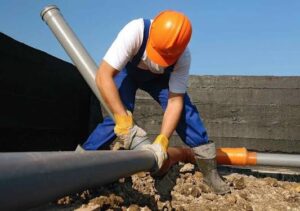
Site preparation is one of the most important stages of any construction, landscaping, renovation, or groundwork project. Before foundations, driveways, patios, extensions, or other structures can be installed, the area needs to be cleared, levelled, and prepared with suitable materials. Poor preparation can lead to drainage problems, unstable surfaces, delays, and additional costs.
Using Grab Hire and Aggregates together can make this process more organised and efficient. Grab hire provides a practical way to remove unwanted soil, rubble, and construction waste, while aggregates provide the strong and stable materials needed to create suitable foundations and surfaces. Combining these services can reduce the number of separate suppliers involved and help projects progress smoothly.
What Is Grab Hire?
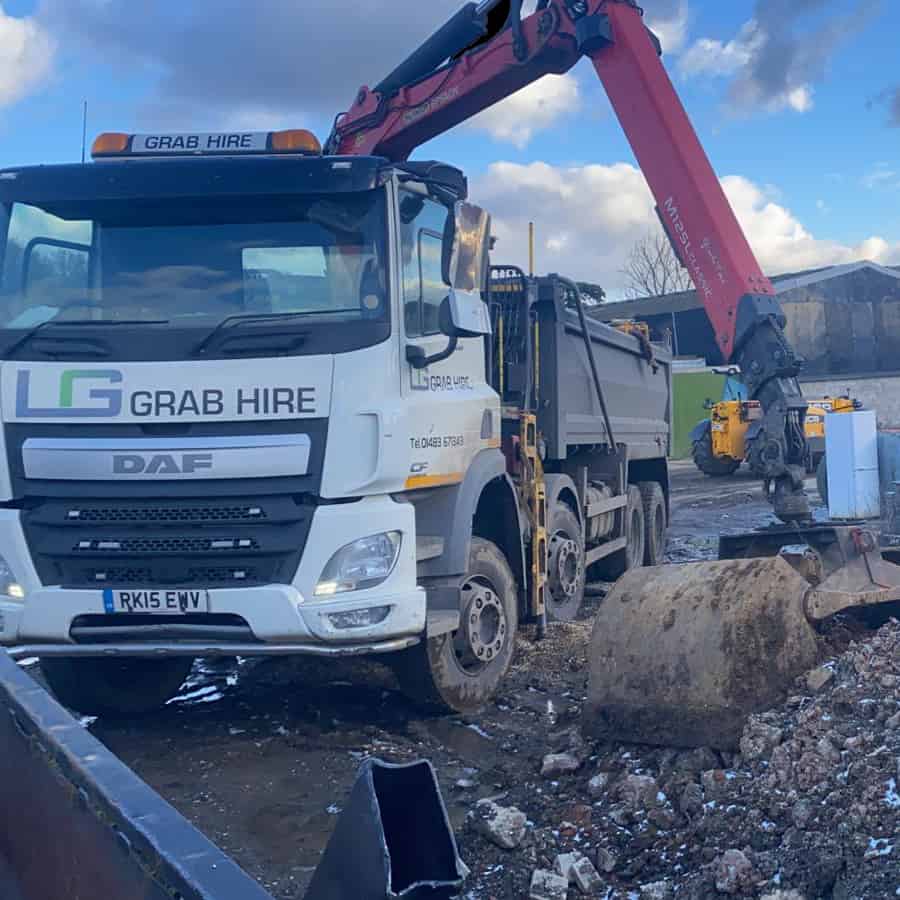
Grab hire is a waste removal service that uses a grab lorry equipped with a hydraulic grab arm. The vehicle can collect and load materials directly from a site, making it useful when there is limited access or when waste needs to be removed quickly.
During site preparation, common materials requiring removal include excavated soil, clay, concrete, bricks, rubble, old paving, and garden waste. Instead of relying on multiple skips or manual loading, a grab lorry can often collect a substantial amount of material in a single visit.
Another advantage is the reach of the hydraulic grab arm. It can often collect materials from areas that are not immediately beside the road, depending on access and site conditions. This can reduce manual handling and help keep the work area clearer.
Why Aggregates Matter in Site Preparation
Once unwanted material has been removed, the ground often needs to be built back up or stabilised. Aggregates are widely used for this purpose because they can provide a strong and compactable base.
Different projects may require different aggregate materials. Crushed stone, MOT-type aggregate, gravel, sharp sand, and other materials can be selected according to the intended application. For example, a driveway may require a compacted sub-base, while landscaping projects may use decorative gravel or stone for finishing.
Choosing the correct material is important because the aggregate needs to suit the ground conditions, expected load, drainage requirements, and final surface.
Combining Removal and Material Delivery
One of the main benefits of Grab Hire and Aggregates is the ability to coordinate waste removal and material delivery as part of the same site preparation process. Instead of arranging waste clearance with one company and sourcing aggregates from another supplier, a combined service can simplify project planning.
For example, consider a garden renovation where an old patio and part of the surrounding soil need to be removed. The excavated material can be collected using a grab lorry. Once the area has been cleared and levelled, fresh aggregate can be delivered for the new patio base.
This approach creates a logical workflow: remove unsuitable material, prepare the ground, deliver the required aggregate, and build the new surface.
Reducing Manual Handling
Site preparation can involve moving significant quantities of soil and rubble. Handling these materials manually can take considerable time and require substantial labour.
Grab hire can reduce the amount of manual loading required. The hydraulic arm allows the operator to collect loose materials efficiently, helping workers concentrate on excavation, levelling, construction, or landscaping tasks.
Reducing unnecessary handling can also help keep the site more organised. Materials can be collected from designated areas rather than remaining scattered around the work zone.
Improving Project Efficiency
Time management is particularly important on construction projects. Delays in one stage can affect several later activities. Waste that remains on site can prevent contractors from accessing certain areas, while a shortage of aggregate can stop groundwork from progressing.
A well-planned Grab Hire and Aggregates service can help address both issues. Waste can be scheduled for collection, while aggregate delivery can be arranged according to the project’s requirements.
Planning deliveries carefully can also help avoid storing excessive quantities of aggregate on site. This is particularly useful where working space is limited, such as residential driveways or smaller urban construction sites.
Supporting Driveway and Patio Projects
Driveway and patio installations are common examples of projects that benefit from efficient site preparation. Existing surfaces may need to be broken up and removed before excavation begins.
After unsuitable material has been cleared, a suitable aggregate sub-base can be installed and compacted. This creates a stable foundation for the final surface, whether that surface will be paving, block paving, concrete, or another material.
Good preparation can help improve the overall durability of the finished project. The exact construction method should always be based on the requirements of the project and appropriate professional guidance.
Useful for Construction and Groundwork
Larger construction projects can generate substantial quantities of excavated material. Soil, clay, stones, broken concrete, and other materials may need to be removed as groundwork progresses.
At the same time, construction sites often require imported aggregates for foundations, access routes, temporary surfaces, drainage systems, and other applications. Coordinating removal and delivery can therefore help maintain a steady workflow.
For contractors, this can make logistics easier because the arrival of new materials and removal of unwanted materials can be incorporated into the project schedule.
Choosing the Right Aggregate
Not every aggregate is suitable for every application. Before ordering materials, consider what the aggregate will be used for and how much will be required.
Important factors include:
- The intended application
- Required depth and coverage
- Ground conditions
- Expected traffic or load
- Drainage requirements
- Compaction needs
- Access for delivery vehicles
- Appearance, where the material will remain visible
Accurate quantity calculations are also important. Ordering too little can cause delays, while ordering too much may create unnecessary storage and handling requirements.
Planning Grab Hire Effectively
Before booking a grab lorry, assess the type and approximate volume of material that needs to be removed. Consider where the waste will be placed before collection and whether the lorry can safely access the property.
Site access should be discussed in advance. Narrow roads, restricted entrances, overhead obstacles, parked vehicles, and limited working space can affect collection arrangements.
It is also useful to separate reusable materials from general waste where appropriate. Clear planning allows the operator to understand what needs to be collected and can help make the process more efficient.
The Role of mljgrabhire
mljgrabhire can support construction, groundwork, landscaping, and domestic projects by providing services connected with grab hire and aggregate requirements. For projects involving excavation, waste removal, or the creation of new surfaces, having access to suitable material removal and aggregate supply can simplify logistics. Customers can discuss their project requirements and determine the appropriate service and materials based on the scale and nature of the work.
Conclusion
Effective site preparation provides the foundation for successful construction and landscaping work. Removing unwanted materials efficiently and ensuring that the ground receives suitable aggregate can help create a cleaner, more organised, and stable working environment.
By coordinating Grab Hire and Aggregates, property owners, landscapers, and contractors can simplify waste removal and material supply within the same project workflow. From driveway preparation and garden renovations to larger groundwork projects, careful planning of excavation, clearance, aggregate delivery, and compaction can help keep work moving efficiently and prepare the site for the next stage.