Maintaining a consistent indoor temperature can be challenging when different rooms have different comfort needs. A sunny upstairs bedroom may feel warmer than a shaded living room, while rarely used guest rooms may not need the same level of heating or cooling as frequently occupied spaces. Traditional HVAC systems often treat the entire property as one temperature zone, which can lead to uneven comfort and unnecessary energy use.
HVAC Zoning Systems offer a more flexible approach by allowing different areas of a home or commercial property to be controlled independently. As homeowners and businesses focus more on energy efficiency, smart technology, and personalized comfort in 2026, zoning has become an increasingly valuable HVAC solution.
What Are HVAC Zoning Systems?
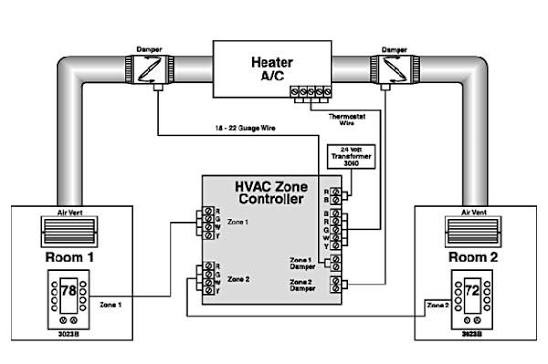
An HVAC zoning system divides a property into separate temperature-controlled areas, commonly called zones. Each zone may have its own thermostat, while motorized dampers inside the ductwork regulate how much conditioned air reaches different spaces.
For example, a home might be divided into:
- Bedrooms
- Living and dining areas
- Upstairs and downstairs
- Home offices
- Guest rooms
- Frequently used and rarely used spaces
Instead of conditioning every room in the same way, zoning allows occupants to adjust settings based on how each area is used. This can improve comfort and provide greater control over the HVAC system.
How Zoning Technology Works
A typical zoning system includes thermostats, a central control panel, and motorized dampers installed within the ductwork. When a thermostat detects that a zone needs heating or cooling, the control system directs the HVAC equipment to respond while adjusting airflow to the appropriate areas.
The system must be properly designed to maintain suitable airflow and equipment performance. Incorrectly installed dampers or poorly configured controls can create pressure problems and reduce efficiency.
For this reason, professional assessment and installation are essential. A zoning solution should be designed around the property’s layout, ductwork, equipment capacity, and comfort requirements.
Benefits of HVAC Zoning
One of the primary advantages of zoning is improved temperature control. Different occupants can have different preferences, and zoning makes it easier to accommodate those preferences without conditioning the entire property uniformly.
Other potential benefits include:
- More consistent comfort between rooms
- Greater control over unused spaces
- Reduced unnecessary heating or cooling
- Better support for changing daily schedules
- Improved temperature management in multi-level homes
- Greater flexibility for home offices and additions
- Potential energy savings under suitable conditions
Actual energy savings depend on equipment efficiency, insulation, thermostat settings, occupancy, ductwork, and how the zoning system is used. Zoning is not automatically more efficient in every property, but it can help reduce unnecessary conditioning when properly designed and managed.
Why Zoning Is Useful in Warm Climates
In warm climates, sunlight, humidity, building orientation, and occupancy can cause different parts of a property to experience different cooling demands. Rooms with large windows may heat up faster, while interior spaces may remain comfortable for longer periods.
A single thermostat may not accurately represent conditions throughout the entire property. This can cause some rooms to become too warm or too cold while the HVAC system responds to the temperature in only one location.
Zoning helps address these differences by allowing the system to respond to temperature needs in separate areas. It can be especially useful in larger homes, multi-story properties, and buildings with rooms that are used at different times.
Smart Thermostats and Connected Controls
Modern zoning systems can often be integrated with smart thermostats and connected HVAC controls. These technologies allow homeowners to schedule temperature settings, adjust zones remotely, and monitor comfort patterns.
In 2026, smart-home integration is becoming an important consideration for many property owners. Connected controls may help users manage comfort according to work schedules, sleeping hours, travel plans, or occupancy.
However, smart controls work best when paired with a properly configured HVAC system. Technology cannot correct problems caused by poor duct design, inadequate insulation, undersized equipment, or restricted airflow.
Zoning for Home Offices and Multi-Use Spaces
The growth of flexible work arrangements has increased the importance of adaptable indoor comfort. A home office may need to remain comfortable during working hours even when the rest of the property is less occupied.
Zoning can allow homeowners to prioritize frequently used rooms without maintaining the same temperature throughout every space. It can also be useful for converted garages, additions, media rooms, nurseries, and guest areas.
Before installation, homeowners should consider whether the existing HVAC equipment and ductwork can support the proposed zones. In some cases, a ductless mini-split system or another HVAC configuration may be more suitable.
Commercial Applications of Zoning
Zoning is not limited to residential properties. Commercial buildings can also benefit from more individualized temperature control.
Offices, retail spaces, clinics, educational facilities, and other businesses may have areas with different occupancy levels or operating schedules. Zoning can help manage these differences while supporting a more comfortable environment for employees, customers, and visitors.
Commercial zoning systems may require more detailed planning because of building size, ventilation requirements, equipment capacity, and operational demands. Professional design is important to ensure that the system performs reliably.
When Should You Consider a Zoning System?
A zoning system may be worth considering if a property experiences:
- Persistent temperature differences between rooms
- Hot or cold spots
- Multiple floors with different comfort needs
- Rooms that are used at different times
- A home addition or remodeled space
- High cooling demand in certain areas
- Frequent thermostat adjustments
- Occupants with different temperature preferences
An HVAC professional can evaluate whether zoning is appropriate or whether another solution—such as ductwork improvements, insulation upgrades, equipment replacement, or a ductless system—would better address the problem.
Installation and Maintenance Matter
The effectiveness of HVAC Zoning Systems depends heavily on proper installation. A professional should evaluate ductwork, static pressure, equipment compatibility, thermostat placement, damper operation, and control settings.
After installation, routine maintenance remains important. Dampers, thermostats, control panels, ductwork, and HVAC equipment should be inspected as needed. If a zone stops responding, airflow changes, or temperatures become inconsistent, professional troubleshooting can help identify the cause.
A zoning system should be treated as part of the entire HVAC network rather than as an isolated add-on.
A More Personalized Approach to Comfort
Modern homeowners and businesses want HVAC systems that offer comfort, efficiency, and control. HVAC Zoning Systems provide a practical way to manage different areas of a property according to individual needs and schedules.
In 2026, zoning technology can work alongside smart thermostats, energy-efficient equipment, improved insulation, and preventive maintenance to create a more responsive indoor environment. While zoning is not the right choice for every building, professional evaluation can help determine whether it offers meaningful benefits.
With careful design, quality installation, and regular service, an HVAC zoning system can provide more personalized comfort and help property owners manage their heating and cooling needs more intelligently.