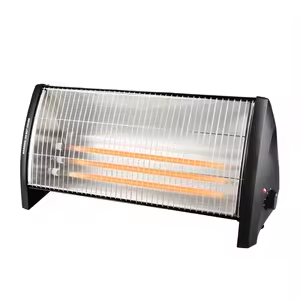
An electric radiant heater utilises infrared technology to deliver heat directly to objects and surfaces within a room, bypassing the need to warm the air. This method ensures rapid, focused heating, making it an effective solution for spaces that require immediate warmth. Designed for both domestic and commercial environments, these heaters are valued for their efficiency and reliability. With their compact designs and versatile applications, they can be seamlessly integrated into a variety of settings, from small homes to larger workspaces.
Understanding the Mechanics
Radiant electric heaters operate by emitting infrared radiation, a form of energy that directly transfers heat to surfaces and objects within their range. This process ensures immediate warmth without relying on air circulation, making it highly efficient in targeted spaces. The heating elements, often composed of quartz or metallic materials, convert electrical energy into radiant heat. Reflectors are typically used to focus and direct this heat, maximising its effectiveness.
The absence of moving parts in the heating process reduces energy loss, ensuring consistent performance. Unlike convection-based systems, these heaters do not rely on warming the air, which minimises heat dispersion and maintains a steady temperature. Their ability to deliver focused heat to specific areas makes them suitable for various environments, particularly where quick, efficient heating is required. This precise functionality highlights the distinct advantages of radiant technology.
Energy Efficiency Considerations
Radiant electric heaters are designed to maximise energy efficiency by focusing heat directly on objects and surfaces rather than dispersing it through the air. This targeted heating approach reduces energy waste, ensuring that power consumption is utilised effectively.
Many modern models incorporate energy-saving features such as adjustable heat settings and programmable timers, allowing precise control over operation. This level of customisation contributes to lower energy usage, which can translate to reduced electricity costs.
The absence of moving parts in the heating process further enhances their efficiency, as energy is not expended on air circulation. Additionally, their rapid heating capability minimises the need for prolonged operation, thereby conserving energy. By delivering effective warmth with minimal energy expenditure, these heaters provide a practical solution for those aiming to balance comfort with responsible energy use.
Installation Requirements
Radiant electric heaters are designed for straightforward installation, requiring minimal tools and effort. Most models are versatile and can be wall-mounted, ceiling-mounted, or placed freestanding, allowing efficient use of space in various environments. Their compact design ensures they fit seamlessly into rooms without disrupting existing layouts.
Installation typically involves securing the unit with the provided brackets or mounting hardware, then connecting it to a standard electrical supply. As no ductwork or ventilation systems are needed, the process is both time-efficient and cost-effective.
Some models are equipped with plug-and-play functionality, eliminating the need for professional assistance in many cases. For permanent installations, adherence to safety regulations and correct electrical wiring is essential. Additionally, their flexible placement options make them suitable for diverse settings, including homes, offices, and workshops, and they cater to a range of heating needs.
Safety Features
Radiant electric heaters are equipped with a variety of safety features to ensure secure and reliable operation. Overheat protection mechanisms are commonly included, automatically shutting the unit off if internal temperatures exceed safe limits. Many models incorporate tip-over switches, which deactivate the heater if it is accidentally knocked over, reducing potential hazards.
Additionally, several designs feature cool-to-touch exteriors to minimise the risk of burns during handling. These safety measures, combined with robust construction, enhance the overall safety profile of these heaters.
Cost Implications
The cost implications of radiant electric heaters extend beyond the initial purchase price, as their efficient energy use often results in long-term savings. By delivering heat directly to objects and surfaces, these heaters minimise energy wastage, leading to lower electricity bills over time. Additionally, their durable construction and minimal maintenance requirements help reduce repair and servicing expenses.
Many models include features such as programmable timers and adjustable heat settings, enabling precise control and further optimising energy usage. This targeted functionality ensures that power consumption is limited to periods of necessity, providing cost-effective heating solutions for diverse settings.
While upfront costs may vary with specifications, the combination of energy efficiency, durability, and low maintenance makes them a practical investment for both domestic and commercial applications.
Design and Aesthetic Appeal of Electric Radiant Heater
An electric radiant heater is crafted to blend seamlessly into various interior styles, offering both functionality and visual appeal. Their sleek, compact designs ensure they occupy minimal space while enhancing the overall aesthetics of a room. Available in a range of finishes and forms, they cater to diverse design preferences, from modern minimalist spaces to more traditional settings.
Many models include innovative design elements, such as slim profiles or hidden fixtures, allowing discreet integration into any environment. Their versatility ensures compatibility with a wide variety of décor styles, making them suitable for both residential and commercial interiors. By prioritising both efficiency and aesthetic harmony, these heaters provide a practical yet stylish heating solution for contemporary living spaces.
Comparative Heating Solutions
Radiant electric heaters distinguish themselves by providing direct, efficient heat transfer to objects and surfaces, unlike convection systems that rely on warmed air. This targeted approach reduces heat loss and ensures quicker warming of specific areas. Unlike traditional air-circulating systems, these heaters operate silently and without dispersing allergens or dust, thereby improving indoor air quality.
Additionally, their compact designs enable seamless integration into diverse settings without requiring extensive modifications. Their energy-efficient operation makes them particularly advantageous in environments where precise, focused heating is essential.
By combining efficient performance with minimal environmental disruption, radiant electric heaters provide a practical heating solution that aligns with modern demands for comfort, energy conservation, and improved air quality.
Maintenance and Durability
Radiant electric heaters are engineered with simplicity and robustness, requiring minimal upkeep to maintain their efficiency. Regular cleaning of the heating elements and reflectors helps to ensure optimal performance, as accumulated dust or debris can reduce effectiveness over time. The absence of moving parts minimises wear and tear, contributing to their reliability. Periodic inspections to check for any visible damage or loose connections are recommended.
Constructed from durable materials, these heaters are built to withstand consistent use in both residential and commercial settings. Their sturdy design reduces the likelihood of mechanical failure, lowering the need for frequent repairs. This combination of durability and low-maintenance requirements makes them a dependable heating option for various environments.
Environmental Benefits
Radiant electric heaters offer environmental advantages by providing energy-efficient heating that minimises power consumption. Their operation reduces reliance on fossil-fuel-based systems, thereby lowering greenhouse gas emissions. By directly transferring heat to objects and surfaces, they minimise energy waste and align with sustainable practices.
Many models are built from recyclable materials, supporting eco-conscious manufacturing and disposal. Additionally, their durability and low maintenance reduce the environmental impact associated with frequent replacements or repairs, making them a sustainable option for long-term use.
Technological Advancements
Modern radiant electric heaters integrate advanced technologies that enhance functionality and convenience. Smart thermostats allow precise control of heating levels, ensuring optimised energy usage tailored to individual preferences. Many models feature compatibility with home automation systems, enabling remote operation via apps or voice commands for seamless integration into daily routines.
Sensors are often incorporated to detect room occupancy or temperature changes, automatically adjusting heat output for efficiency. Some designs utilise cutting-edge materials to improve heat distribution, further increasing their performance.
Market Trends
The demand for radiant electric heaters continues to grow as technological advancements and consumer priorities shape the market. A noticeable trend is the increasing emphasis on eco-friendly models, aligning with global sustainability goals and energy conservation efforts. These heaters are being developed with improved materials and designs that enhance efficiency while reducing environmental impact.
The integration of smart technologies, such as app-based controls and automation systems, is another significant trend, reflecting the growing appeal of connected home solutions. Compact and versatile designs are also gaining traction, addressing the need for adaptable heating options in modern living spaces.
Moreover, manufacturers are focusing on creating products tailored for both residential and commercial use, expanding their applications. As energy efficiency and environmentally responsible solutions remain key considerations, the market for radiant electric heaters is expected to continue adapting to meet the diverse needs of consumers and industries. This evolution reflects a broader shift towards advanced, sustainable, and user-centric heating systems.
User Experience
Users of radiant electric heaters benefit from the immediate and consistent warmth these devices provide, creating a comfortable indoor environment during colder periods. The operation of these heaters is often enhanced by intuitive features, such as programmable timers and adjustable heat settings, which allow for personalised and efficient temperature control. Their silent functionality contributes to a peaceful atmosphere, particularly in residential or professional spaces.
Furthermore, their compact and unobtrusive designs ensure they integrate seamlessly into various room layouts without disrupting aesthetics. Many models also incorporate safety features, such as cool-to-touch exteriors and automatic shut-off mechanisms, which enhance ease of use. This combination of functionality, safety, and design makes them a practical choice for diverse heating requirements.
Conclusion
An electric radiant heater provides an efficient, targeted, and rapid heating solution by utilizing infrared technology to warm objects and surfaces directly rather than circulating air across Australia. Their energy-efficient performance, silent operation, compact design, and lack of moving parts make them exceptionally durable and low-maintenance. With advanced features such as smart thermostats, programmable timers, and robust safety mechanisms, these heaters offer optimal comfort and convenience for both residential and commercial spaces. By minimizing energy waste and aligning with modern sustainability trends, radiant electric heaters remain an outstanding choice for eco-conscious households and industries.
FAQs
How does an electric radiant heater work compared to traditional heaters?
An electric radiant heater utilizes infrared technology to emit thermal radiation that directly warms objects, surfaces, and people within a room. Unlike traditional convection heaters that circulate warmed air throughout the space, radiant heaters provide immediate, focused warmth without losing efficiency through air movement or thermal dispersion across Australia.
Are radiant electric heaters energy efficient to operate?
Yes, radiant electric heaters are highly energy efficient because they deliver targeted heat directly to surfaces without wasting energy on heating empty air space. Their rapid heating capabilities, absence of moving parts, and precise controls like programmable timers and smart thermostats help minimize overall electricity consumption.
What safety features should I look for in a radiant heater?
Essential safety features include automatic overheat protection mechanisms that shut the unit off if internal temperatures exceed safe limits, and tip-over switches that deactivate the heater if accidentally knocked. Cool-to-touch exteriors and robust mounting brackets also help prevent accidental burns or hazards during operation.
Can radiant electric heaters be used in commercial environments?
Yes, radiant electric heaters are widely used in commercial environments such as warehouses, offices, workshops, and hospitality venues. Their compact design, flexible wall or ceiling mounting options, and ability to provide rapid, localized warmth make them ideal for open-plan or drafty commercial spaces across Australia.
Do radiant electric heaters require complex maintenance?
No, radiant electric heaters require minimal maintenance due to their simple construction and lack of moving parts. Routine upkeep simply involves turning off the unit and periodically cleaning dust from the heating elements and reflectors with a soft cloth to ensure optimal thermal performance and longevity.
| Related Business Listings |
| Contact Directory |
| Local Business Profiles |