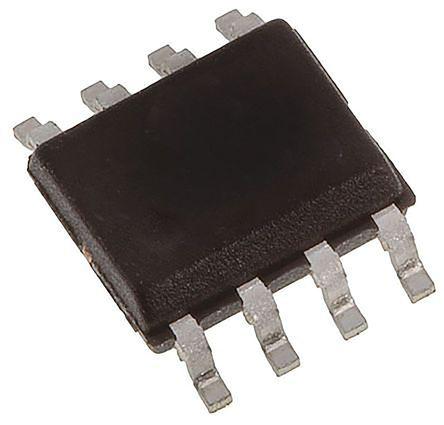
Logic Level Translators
The development of modern electronics has created a world where countless digital devices must communicate with each other efficiently. From smart sensors and embedded controllers to industrial automation systems and advanced computing platforms, electronic products increasingly rely on multiple components working together as a unified system.
However, one challenge continues to affect circuit designers: different electronic components often operate using different voltage levels. A processor may require a lower operating voltage, while a connected sensor, display, memory device, or communication module may use another voltage standard. Connecting these devices directly can create communication problems, reduce reliability, or even damage sensitive components.
Logic level translators provide an effective solution to this challenge. These electronic components allow devices operating at different voltage levels to exchange digital signals safely and accurately. By converting signal levels between different logic domains, they support efficient communication and make it easier to develop flexible, reliable electronic systems.
As the demand for connected technologies continues to grow, logic level translators have become an essential part of modern circuit design, helping engineers integrate different technologies into advanced electronic solutions.
Understanding the Function of Logic Level Translators
Logic level translators are semiconductor devices designed to convert digital signals between different voltage levels. Their main purpose is to allow communication between electronic components that do not share the same logic voltage requirements.
Digital devices communicate using high and low voltage states, which represent binary information. For successful communication, both devices involved in the exchange must understand these voltage states correctly. When two components operate at different voltage levels, the signal produced by one device may not be correctly interpreted by another.
For example, a microcontroller operating at 3.3V may need to communicate with a peripheral device designed for 5V operation. A direct connection may create unreliable communication or expose the lower-voltage component to excessive voltage. A logic level translator bridges this difference by adjusting the signal voltage while maintaining the original data information.
These devices are commonly used to connect:
- Microcontrollers with sensors and modules
- Low-voltage processors with external peripherals
- Communication interfaces operating at different voltage standards
- Industrial controllers with monitoring equipment
- Development boards with expansion hardware
By providing compatibility between different voltage systems, logic level translators simplify electronic design and improve overall system performance.
Why Voltage Conversion Is Important in Modern Electronics
Electronic technology has changed significantly over recent years. Manufacturers continue developing smaller and more efficient components that require lower operating voltages to reduce power consumption and improve performance.
Modern processors, microcontrollers, and integrated circuits often operate at reduced voltage levels compared with older electronic components. This change improves energy efficiency, especially in battery-powered devices, but it also creates compatibility challenges.
Many electronic systems contain a combination of components created at different stages of technological development. For example, a new processing unit may need to communicate with an existing industrial sensor or communication module that uses a different voltage standard.
Without proper voltage translation, designers may experience problems such as:
- Incorrect signal detection between devices
- Communication failures during operation
- Reduced system stability
- Potential damage to electronic components
- Increased complexity in circuit development
Logic level translators solve these issues by creating a reliable connection between different voltage environments.
How Do Logic Level Translators Operate?
The operation of a logic level translator depends on its internal design and application requirements. In general, these devices receive digital signals from one voltage domain and reproduce them at another voltage level suitable for the connected device.
A typical logic level translator contains separate voltage supply connections for each side of the circuit. One side operates with the voltage level of the first device, while the other side matches the voltage requirement of the second device.
When a digital signal changes state, the translator detects the change and converts the signal into the appropriate voltage level.
Different translator designs may include:
- Automatic direction detection for easier integration
- Controlled direction switching for specific applications
- Bidirectional conversion for two-way communication
- Multiple channels for handling several signals
- High-speed operation for advanced communication systems
The choice of translator technology depends on the requirements of the application, including speed, voltage range, communication method, and circuit complexity.
What Types of Logic Level Translators Are Available?
Logic level translators are available in various configurations to support different electronic requirements. Selecting the right type depends on the design goals and communication needs of the system.
Common types include:
Bidirectional Logic Level Translators
Bidirectional translators allow signals to travel in both directions between connected devices. They are commonly used with communication protocols where data movement can occur from either side.
Applications include:
- I2C communication systems
- Sensor networks
- Peripheral device connections
- Development platforms
These translators simplify designs where the direction of communication changes during operation.
Unidirectional Logic Level Translators
Unidirectional translators are designed for applications where signals move in only one direction. They are often used when a device consistently sends information to another component.
Typical applications include:
- Data output systems
- Control signals
- Fixed communication paths
They can provide efficient signal conversion for straightforward electronic designs.
Multi-Channel Logic Level Translators
Multi-channel translators contain several independent conversion channels within one package. They are useful when multiple signals need to be converted simultaneously.
They are commonly used in:
- Complex embedded systems
- Industrial equipment
- Communication interfaces
- Advanced development projects
Their compact design helps reduce circuit size while supporting multiple connections.
Applications of Logic Level Translators Across Industries
The importance of logic level translators extends across many industries because digital communication is required in almost every modern electronic system.
Embedded Electronics
Embedded systems often combine processors, sensors, displays, and communication modules. Since these components may operate at different voltage levels, logic level translators help maintain reliable connections.
They are widely used in:
- Development boards
- Custom electronic products
- Smart controllers
- Portable devices
Industrial Automation
Industrial systems frequently require communication between controllers, sensors, monitoring equipment, and automation devices.
Logic level translators support:
- Reliable machine communication
- Stable data exchange
- Integration of modern and existing equipment
- Efficient control system operation
Robotics
Robotic systems depend on communication between multiple electronic components, including motor controllers, sensors, processors, and wireless modules.
Voltage translation allows these components to operate together while maintaining accurate signal transmission.
Internet of Things Devices
IoT products often combine low-power processors with sensors, communication chips, and control modules. Logic level translators help these devices communicate efficiently while maintaining low energy consumption.
Applications include:
- Smart home devices
- Environmental monitoring systems
- Connected industrial equipment
- Wireless sensor networks
The Role of Logic Level Translators in Communication Protocols
Many electronic systems rely on communication protocols to exchange information. Each protocol has specific requirements regarding signal voltage, speed, and timing.
Logic level translators are frequently used with several popular interfaces.
I2C Communication
I2C is widely used for connecting sensors, displays, and peripheral devices. Because multiple devices can share the same communication bus, voltage compatibility is essential.
Bidirectional logic level translators are commonly used to ensure smooth communication between devices operating at different voltages.
SPI Communication
SPI provides fast communication between processors and peripheral devices. Logic level translators help connect SPI devices that use different voltage standards while maintaining reliable data transfer.
UART Communication
UART is a common serial communication method used in embedded systems. Translators allow UART-based devices with different voltage requirements to exchange information correctly.
Benefits of Using Logic Level Translators
Integrating logic level translators into electronic designs provides several advantages for engineers and manufacturers.
Key benefits include:
- Improved compatibility between different devices
- Protection of sensitive electronic components
- Reduced development complexity
- Greater flexibility in component selection
- Reliable signal conversion
- Support for modern and traditional technologies together
These advantages make logic level translators an important tool for creating efficient electronic systems.
Factors to Consider When Choosing Logic Level Translators
Selecting the correct logic level translator requires careful evaluation of the application requirements. Different projects may need different levels of performance and functionality.
Important considerations include:
Voltage Compatibility
The translator must support the voltage levels used by both connected devices. Engineers should confirm the input and output voltage ranges before selecting a component.
Communication Speed
High-speed applications require translators capable of handling rapid signal changes without introducing significant delays.
Number of Channels
The number of signals requiring conversion determines whether a single-channel or multi-channel device is more suitable.
Signal Direction
Some applications require bidirectional communication, while others only need one-way conversion. Selecting the correct direction capability is essential for proper operation.
Power Requirements
Battery-powered applications often require low-power components to maximise operating time and efficiency.
Physical Design
Package size and mounting requirements should also be considered, especially in compact electronic products.
Challenges Without Proper Logic Level Translation
Failing to use appropriate voltage translation can create several issues within electronic systems. Directly connecting incompatible devices may lead to unstable operation or permanent component failure.
Common problems include:
- Communication errors between devices
- Incorrect data interpretation
- Reduced product reliability
- Increased maintenance requirements
- Shortened component lifespan
By using suitable logic level translators, engineers can avoid these challenges and create more dependable electronic solutions.
How Logic Level Translators Support Future Technology Development
The future of electronics will depend heavily on connectivity, automation, and intelligent systems. As more devices become interconnected, the need for reliable communication between different components will continue to increase.
Emerging technologies such as smart infrastructure, advanced robotics, industrial intelligence, and connected consumer products require efficient methods for managing different voltage environments.
Logic level translators will continue playing an important role because they allow engineers to combine advanced components without being limited by voltage differences.
They support innovation by enabling:
- Faster product development
- Easier hardware integration
- More efficient circuit designs
- Better compatibility between technologies
- Improved system reliability
Improving Electronic Solutions with Reliable Components
Successful electronic designs require careful selection of components that provide dependable performance and long-term stability. Logic level translators offer an efficient solution for connecting devices with different voltage requirements while maintaining accurate digital communication.
From simple development projects to advanced industrial systems, these components help engineers overcome voltage compatibility challenges and create flexible electronic solutions.
As technology continues to evolve, logic level translators will remain a valuable component in digital electronics. Their ability to support communication between different voltage domains makes them essential for building reliable, efficient, and innovative electronic systems.
At Enrgtech, professionals can explore a wide range of electronic components designed for modern engineering requirements. Choosing suitable logic level translators helps businesses and engineers develop systems with improved compatibility, stable performance, and reliable operation.