Digital experience platforms have evolved dramatically over the past five years. Modern enterprise buyers no longer want monolithic software suites that lock content, presentation, and commerce into rigid, hard-to-upgrade deployments. Today, technology leaders prioritize composable architectures, cloud-native scalability, and faster release cycles.
For organizations still running on traditional Sitecore versions, that architectural shift creates a tough strategic choice. Sitecore’s push toward XM Cloud often feels less like a smooth version upgrade and more like a mandatory re-architecture—carrying steep licensing costs and heavy engineering effort. Naturally, many CTOs and VPs of Digital are looking at Optimizely as a cleaner, more agile alternative.
The Trap of Over-Scoping Your Platform Move The most common mistake technical leaders make when switching DXPs is bundling every digital wish-list item into Phase 1. Trying to simultaneously switch CMS platforms, overhaul brand creative, rewrite global content strategy, and rebuild every custom microservice is a recipe for delayed launches and budget overruns.
A phased approach is far smarter: stabilize and modernize the platform first, then iterate on the experience.
By partnering with a team specializing in certified Sitecore to Optimizely migration, you decouple platform modernization from front-end redesign:
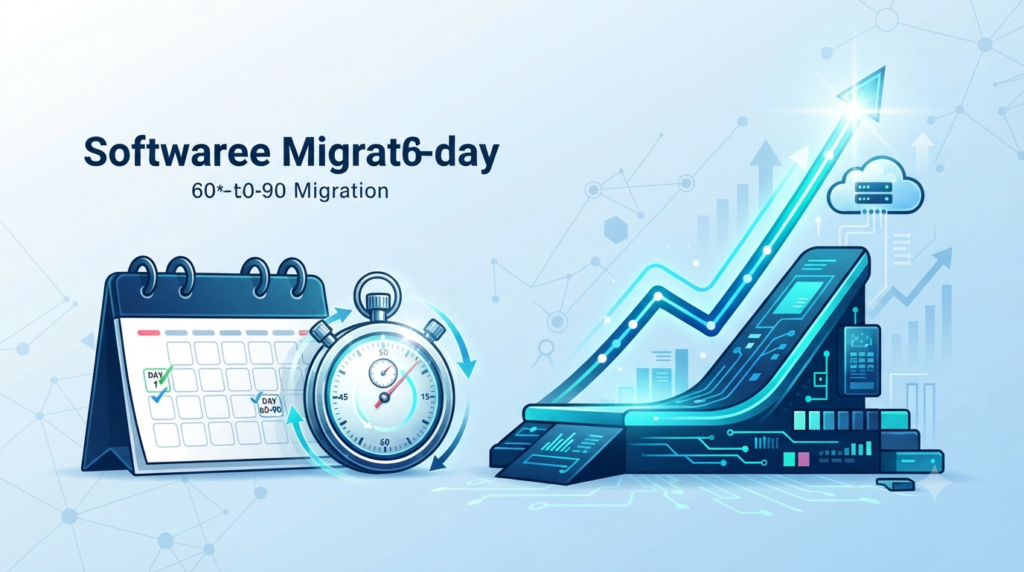
- Phase 1 (Days 1–90): Platform Lift and Shift. Audit your Sitecore instance, map templates using AI-assisted content modeling, rebuild your existing front-end design cleanly in Optimizely, wire up core integrations, and launch within 60 to 90 days.
- Phase 2 (Post-Launch): Continuous Iteration. Once your team is off expensive Sitecore renewals and operating on Optimizely, you can deploy design refreshes, personalization rules, and A/B experiments incrementally using the budget you just saved.
Built for Real-World Enterprise Complexity Not every Sitecore environment is a single marketing brochure site. Whether you manage a single corporate web property (50k–90k range), a multi-site setup with complex ERP/CRM integrations (90k–175k range), or a multi-property enterprise portfolio, scoping the migration upfront with a two-week assessment eliminates guesswork. Every engagement runs on a fixed scope and fixed timeline, backed by staged UAT and 30 days of post-launch support.
Modernizing your tech stack shouldn’t paralyze your business. By separating your CMS upgrade from a full creative rebuild, you gain a future-ready Optimizely foundation in a single quarter—and free up budget to actually innovate on top of it.