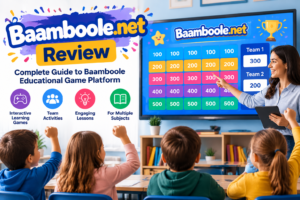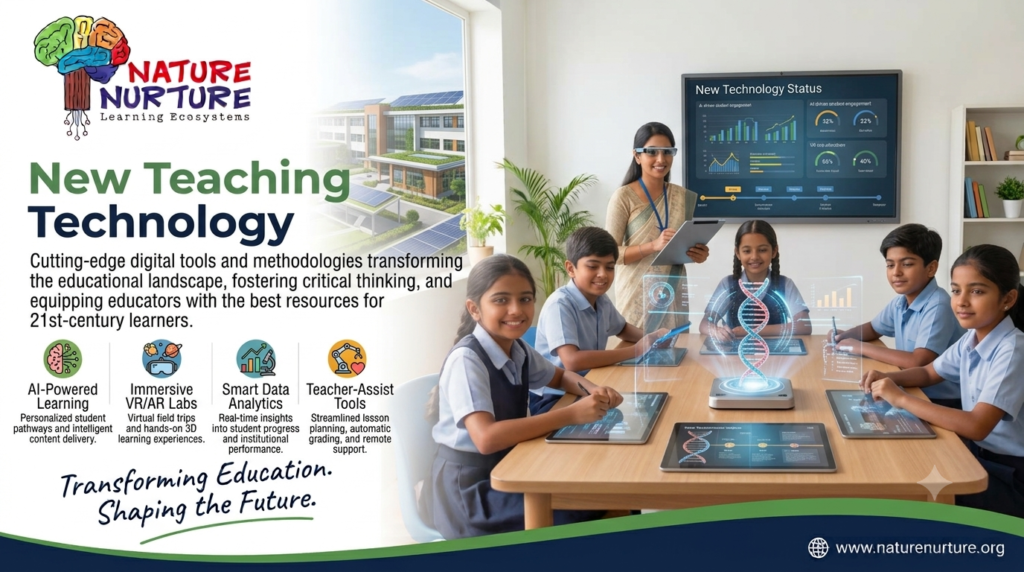
New teaching technology like smart boards is making classrooms more interactive.
How New Teaching Technology Is Changing Modern Education
Walk into a classroom today and you may not recognize it. The blackboard has a smart screen beside it. Children use tablets to explore topics, and teachers use apps to track progress in real time. New teaching technology is quietly reshaping how students learn and how teachers teach.
Let’s look at what is changing, why it matters, and how schools and parents can make the most of it.
New Teaching Technology Makes Learning Personal
In a traditional classroom, one teacher explains one lesson to thirty children at the same speed. Some students keep up. Others fall behind. A few get bored because they already understand.
Technology is closing this gap. Adaptive learning platforms notice where a child struggles and adjust the lessons. A student who finds fractions hard gets extra practice. A student who finds them easy moves ahead.
This means every child can learn at their own pace. Nobody feels rushed, and nobody feels left out.
Teachers Get More Time to Teach
Many people worry that new teaching technology will replace teachers. In reality, it does the opposite.
Digital tools can handle repetitive jobs like marking quizzes, taking attendance, and organizing homework. This frees teachers to focus on what matters most: guiding students, answering questions, and encouraging curiosity.
Teachers also get clearer insight. Instead of waiting for exam results, they can see right away which topics need more attention. That helps them step in early, before a small problem becomes a big one.
Lessons Come Alive
Reading about the solar system is one thing. Taking a virtual tour of it is another.
Virtual reality, interactive videos, and digital simulations turn abstract ideas into something children can see and explore. A science lesson on the human heart becomes a 3D model they can rotate and zoom into. A history class can “visit” ancient cities.
When lessons feel real, children remember them longer. They also ask better questions, which is where real learning begins.
Hands-On Learning Still Matters
Screens are useful, but children also need to touch, build, and experiment. The best classrooms mix digital tools with physical activities.
This is where STEM learning toys come in. STEM stands for science, technology, engineering, and maths. Building blocks, simple coding robots, and science kits let children learn these subjects through play.
A child who builds a bridge from blocks is learning about balance and structure. A child who programs a small robot is learning logic and problem-solving. They don’t feel like they are studying. They feel like they are playing.
At Nature Nurture, we believe this balance is key. Technology works best when it supports hands-on exploration instead of replacing it.
Building Skills for the Future
The world today needs more than memorized facts. Children will grow up to work in jobs that may not even exist yet. What will help them is the ability to think critically, solve problems, work in teams, and stay curious.
The right new teaching technology builds these skills naturally. Group projects on shared digital boards teach collaboration. Coding games teach patience. Creative apps let children design, test ideas, and learn from mistakes.
These habits last far longer than any single lesson.
Learning Beyond the Classroom
Education has also become more flexible. A child who misses school can watch a recorded lesson. A student who wants to learn more can explore online courses and educational videos at home.
Parents can stay involved, too. Many school apps now share updates on homework, attendance, and progress, making it easier to offer support at the right moment.
The Challenges to Keep in Mind
Of course, new teaching technology is not perfect. Too much screen time can tire young children and reduce physical activity. Not every family has the same access to devices or the internet. Teachers also need proper training to use new tools well.
That’s why schools should introduce technology thoughtfully. Choose tools with a clear learning goal, balance screen time with outdoor play, train teachers well, and keep parents involved.
Choosing the Right Approach for Your School
Every school is different. What works for a large urban school may not suit a small preschool. The goal is not to buy the latest gadgets, but to pick new teaching technology that matches your students’ ages, your curriculum, and your teachers’ strengths.
Start small. Try one or two tools, see how children respond, and build from there. Nature Nurture supports schools in making these decisions with confidence, blending modern tools with child-friendly learning methods that truly work.
Final Thoughts
Education is moving from passive listening to active discovery. With thoughtful use, new teaching technology makes learning more personal, more engaging, and more meaningful. Combined with hands-on play, it helps children grow into confident thinkers who are ready for tomorrow.