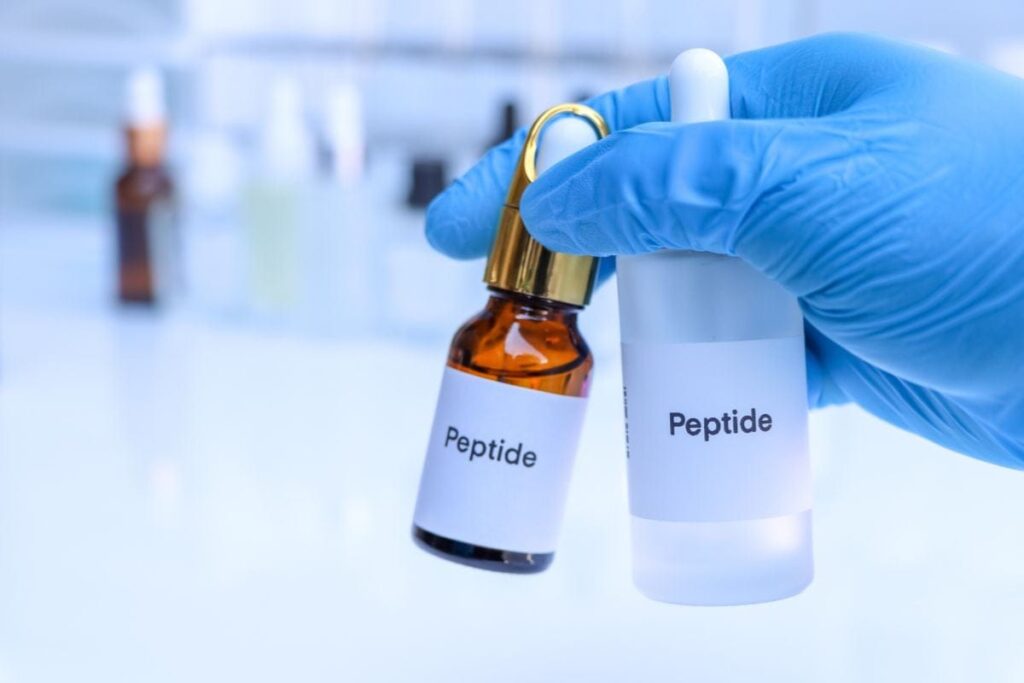
Feeling tired after a full night’s sleep can be frustrating. So can slow recovery after workouts, poor concentration, or the sense that your body isn’t keeping pace with your routine. A peptide therapy clinic may offer personalised treatment, but peptides aren’t a quick fix for every energy or ageing concern.
Some have recognised medical uses; others have limited evidence or aren’t licensed for the purpose being advertised. Before paying for treatment in the UK, you need to know what’s being prescribed, why it’s suitable, and who’ll monitor you if something feels off.
What does a peptide therapy clinic actually do?
Peptides are short chains of amino acids. The body produces many of them naturally, where they act as signals involved in processes such as hormone release, appetite, tissue repair, and immune activity.
A peptide therapy clinic usually begins with a consultation covering symptoms, medical history, current medication, sleep, nutrition, exercise, and treatment goals. Blood tests may be suggested, depending on the symptoms and proposed therapy. A responsible clinician won’t use one test result to explain everything.
That first conversation matters. “Low energy” could relate to iron deficiency, thyroid problems, sleep apnoea, stress, medication, depression, low calorie intake, or quite a few other things. Going straight to peptides without checking ordinary causes first feels backwards.
Can peptide therapy improve energy levels?
Some clinics promote peptides for better energy, sharper focus, improved sleep, or hormone support. The potential effect depends entirely on the peptide, the patient’s health, and whether there’s a genuine clinical reason to prescribe it.
You shouldn’t expect the sudden buzz associated with caffeine or stimulants. When treatment is appropriate, any change may be gradual and connected to sleep quality, appetite, recovery, or an underlying hormonal issue. Results aren’t guaranteed.
When I compared three UK clinic websites, I noticed something telling: two led with phrases like “optimised performance,” while only one clearly explained who might be unsuitable for treatment. That safety section told me far more than the glossy transformation claims did.
Ask what evidence supports the exact peptide being offered. “Peptide therapy” is a broad label, not one single treatment with one predictable result.
How can a longevity medicine clinic assess persistent tiredness?
A good longevity medicine clinic should look beyond age alone. Tiredness at 42 isn’t automatically a sign that someone needs an anti-ageing protocol, and it shouldn’t be treated as one.
A wider assessment may consider sleep duration, alcohol intake, daily movement, diet, work stress, menstrual changes, testosterone symptoms, and existing health conditions. Standard investigations could sometimes identify a simpler answer. Low ferritin, for example, won’t be solved by a fashionable injection.
I’d personally be cautious if a clinic recommends treatment after a 15-minute video call with no proper history. A longer appointment doesn’t guarantee quality, but rushed prescribing leaves less room for the questions that actually matter…
Does peptide therapy help with exercise recovery?
Recovery claims often focus on soreness, tissue repair, sleep, and the ability to train consistently. This is also where marketing can move faster than good clinical evidence.
Athletes should be especially careful. Certain substances may breach anti-doping rules even when supplied by a clinic or labelled “research use.” If you compete, check the exact substance through UK Anti-Doping and the current World Anti-Doping Agency prohibited list before using it. Don’t rely on a salesperson saying it’s safe for sport.
At a peptide therapy clinic, ask these direct questions:
- What is the exact generic name of the peptide?
- Is it licensed in the UK for my intended use?
- Who is prescribing it, and can I verify their registration?
- What benefits are realistically expected?
- What side effects or interactions are known?
- Which tests will be repeated, and when?
- What happens if I need help outside opening hours?
Vague answers are useful information too. Just not in the way the clinic intended.
Can a longevity medicine clinic slow down ageing?
No clinic can stop ageing. Be wary of anyone who claims it can.
A longevity medicine clinic may help patients work on measurable health risks linked with ageing, such as poor metabolic health, loss of strength, disturbed sleep, or excess weight. Those goals are more realistic than promises to “reverse your biological age” through one product.
Peptides might form part of a medically supervised plan for selected patients, but they shouldn’t replace proven basics. Resistance exercise, sufficient protein, sleep, blood-pressure management, vaccinations, smoking cessation, and routine screening sound less exciting. They also matter a lot.
I once reviewed a programme that included 11 supplements, two injections, and monthly testing, yet gave exercise just four lines. That balance seemed wrong. More products doesn’t automatically mean more personalised care.
How do you check whether a UK clinic is trustworthy?
Start with the prescriber. Check that the doctor appears on the General Medical Council register or that another prescribing professional is registered with the appropriate UK regulator. In England, you can also check whether the service comes under Care Quality Commission regulation and read its latest inspection information where available. Scotland, Wales, and Northern Ireland have their own healthcare regulators.
A credible peptide therapy clinic should explain whether a medicine is licensed for the proposed use. If it’s being prescribed off-label or is unlicensed, the clinician should discuss what that means, why it’s being considered, and what uncertainties exist.
Check the medicine’s source as well. Products sold through social media, bodybuilding forums, or websites marked “for research only” shouldn’t be treated as normal prescription medicines. The packaging can look convincing. That proves very little.
What should happen after treatment begins?
Monitoring shouldn’t end after payment. Your clinic should provide a written plan covering dose, administration, storage, expected review dates, possible side effects, and signs that require urgent medical help.
Keep a simple weekly record of sleep, energy, exercise, symptoms, and any reactions. A score from 1 to 10 works fine. Without a baseline, people sometimes mistake an ordinary good week for a dramatic treatment response.
The peptide therapy clinic should review whether the treatment is helping enough to justify its cost and risk. If there’s no meaningful benefit, the answer shouldn’t always be a higher dose or another product.
Is peptide treatment right for healthy ageing?
Maybe for some people, under the right medical supervision. Not for everyone.
A second opinion may be worthwhile if the plan is expensive, involves several unlicensed medicines, or promises unusually fast results. A responsible peptide therapy clinic won’t pressure you to buy a long package during your first appointment.
Healthy ageing usually comes from several ordinary choices repeated for years. Medical treatment can support that work when there’s a clear need. It can’t quietly replace it.
Frequently Asked Questions
Are peptides legal in the UK?
Some peptide medicines are legally prescribed for recognised clinical purposes. Others may be unlicensed, used off-label, restricted in competitive sport, or sold illegally through unregulated sources. Ask the prescriber to explain the status of the exact product.
How quickly will I notice a difference?
There’s no standard timeline. It depends on the peptide, treatment goal, dose, underlying condition, and individual response. Be suspicious of guaranteed results within a fixed number of days.
Can my GP monitor private peptide treatment?
You can tell your GP about private treatment, and you should disclose all medicines you use. Your GP may record the information and advise on safety, but they aren’t automatically responsible for monitoring treatment prescribed by a private provider.
Considering peptide therapy? Book a proper medical consultation, verify the prescriber, and ask for the evidence, costs, risks, and monitoring plan in writing before deciding.