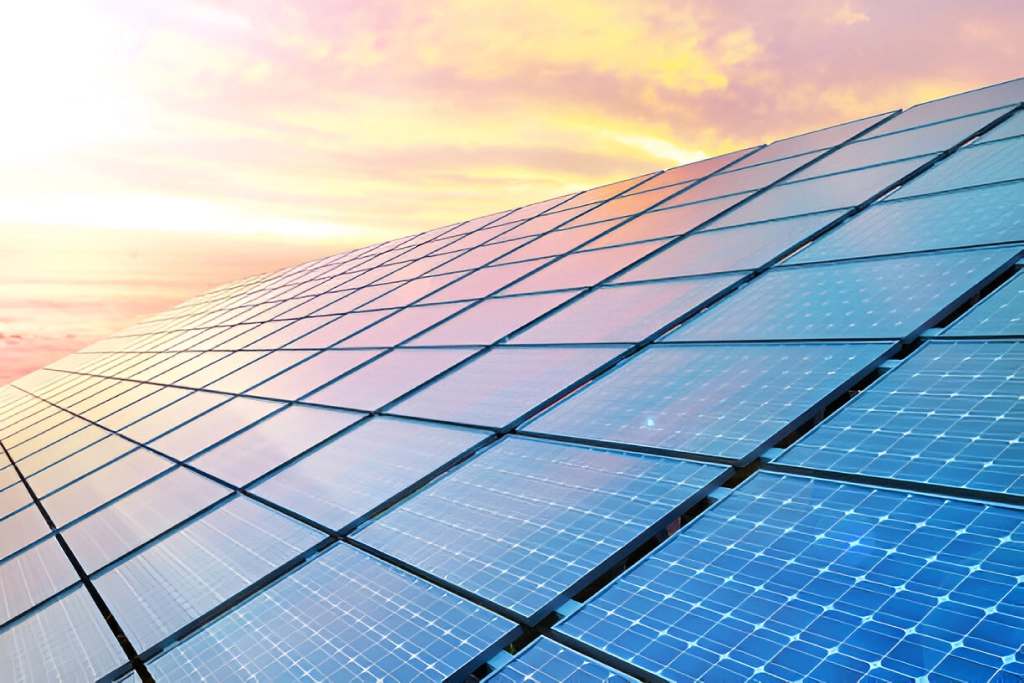
Rooftop solar is becoming an increasingly practical option for households that want to generate their own electricity and reduce dependence on conventional grid power. For residential consumers in Assam, the PM Surya Ghar Muft Bijli Yojana offers Central Financial Assistance (CFA) for eligible rooftop solar installations.
In simple terms, the surya ghar yojana assam process allows eligible residential electricity consumers to install grid-connected rooftop solar and receive a government subsidy after following the prescribed application, installation and verification process. The scheme is implemented through the national rooftop solar portal and involves coordination with the relevant electricity distribution company (DISCOM).
Understanding the subsidy amount, eligibility requirements, installation process and net-metering arrangements can help homeowners make a more informed decision before investing in a solar system.
What Is PM Surya Ghar Yojana?
PM Surya Ghar: Muft Bijli Yojana is a Government of India programme designed to encourage residential rooftop solar adoption. The scheme was launched with a total financial outlay of ₹75,021 crore and aims to support rooftop solar installations in one crore households.
The programme provides financial assistance to eligible residential consumers based on the capacity of their rooftop solar system. It is intended for grid-connected residential rooftop solar systems, rather than simply purchasing standalone solar equipment.
One important point is that the scheme does not mean every household automatically receives free electricity. The actual benefit depends on the solar system installed, electricity consumption, solar generation, applicable regulations and the household’s interaction with the electricity grid.
How Does Surya Ghar Yojana Assam Work?
For an eligible household in Assam, the process generally involves registering through the national portal, selecting an appropriate rooftop solar system and completing installation through the applicable process.
After installation, the system needs to be inspected and verified according to the applicable DISCOM and scheme requirements. The subsidy is then processed according to the scheme’s rules. MNRE states that CFA is transferred after successful installation and verification by the State DISCOM under the applicable mechanism.
The basic process
A homeowner can generally expect these stages:
- Register on the PM Surya Ghar portal.
- Provide the required electricity connection and consumer details.
- Select a suitable rooftop solar installation option.
- Proceed with an eligible vendor and installation.
- Complete the required inspection and commissioning process.
- Install or update net-metering arrangements where applicable.
- Complete the required documentation and verification.
- Receive the applicable subsidy/CFA through the prescribed process.
The exact procedure and documentation can change, so applicants should always check the current requirements on the official portal and with the concerned DISCOM before making payment or starting installation.
How Much Solar Subsidy Is Available?
The Central Financial Assistance for residential consumers is structured around the first 3 kW of rooftop solar capacity.
Under the scheme’s published structure:
- First 2 kW: ₹30,000 per kW
- Additional 1 kW: ₹18,000
- Maximum CFA: ₹78,000 for systems of 3 kW or more
There is no additional central subsidy for capacity above 3 kW under this structure.
For example, a household installing a 1 kW eligible system can receive CFA according to the applicable rate for the first kW. A 2 kW system can receive up to ₹60,000, while a 3 kW system can receive up to ₹78,000, subject to the scheme’s eligibility, benchmark costs and applicable conditions.
It is important not to confuse the subsidy with the total installation cost. The homeowner generally remains responsible for the balance cost after the applicable subsidy and any other financing or incentives.
Which Solar System Size Is Suitable for a Home?
The right system size depends mainly on electricity consumption, available roof space, solar exposure and the household’s requirements.
MNRE’s published information gives the following broad relationship between average monthly consumption and rooftop solar capacity:
- 0–150 units per month: around 1–2 kW
- 150–300 units per month: around 2–3 kW
- More than 300 units: systems above 3 kW may be considered
These are indicative guidelines rather than a universal sizing formula.
A household should therefore look at its recent electricity bills instead of choosing a system solely because it offers the highest subsidy.
Why system sizing matters
Installing a system that is too small may not provide enough generation to meet the household’s objectives. On the other hand, installing a much larger system than necessary can increase the initial investment without necessarily providing a proportionate financial benefit.
Roof orientation, shading, available area and local installation conditions should also be assessed before finalising the capacity.
What Is Net Metering?
Net metering is an important part of many grid-connected rooftop solar systems.
During sunny periods, a rooftop solar system can generate electricity for use within the home. When generation exceeds immediate consumption, surplus electricity may be exported to the grid according to the applicable electricity regulations and metering arrangement.
When solar generation is insufficient, such as at night, electricity can be drawn from the grid.
This makes a grid-connected rooftop system different from a completely independent off-grid solar installation. The exact settlement mechanism and applicable rules should be confirmed with the relevant DISCOM.
Who Can Benefit From the Scheme?
The PM Surya Ghar subsidy component is intended for eligible residential electricity consumers installing grid-connected rooftop solar systems under the scheme.
Before applying, homeowners should verify important details such as:
- Whether the electricity connection is eligible
- Whether the property and rooftop are suitable
- Current DISCOM requirements
- Approved or applicable vendor requirements
- Required consumer and bank details
- Metering and grid-connection requirements
- Current subsidy and installation guidelines
The official MNRE guidelines and subsequent amendments should be treated as the primary reference because scheme requirements can be updated over time.
What Should Assam Homeowners Check Before Installation?
Assam has varied weather and environmental conditions, so homeowners should pay attention to the practical aspects of rooftop solar rather than focusing only on the subsidy.
1. Check the roof
The roof should have enough usable space and adequate structural suitability for the proposed installation.
2. Look for shade
Trees, nearby buildings, water tanks and other structures can reduce solar generation if they cast shadows on the panels.
3. Review electricity bills
Look at several months of electricity consumption before selecting the system capacity. This gives a more realistic picture than relying on a single month’s bill.
4. Understand the complete cost
Ask for a clear quotation covering the solar modules, inverter, mounting structure, wiring, installation and other applicable components.
5. Confirm documentation
Keep electricity bills, consumer information, bank details and installation-related documents properly organised.
6. Understand maintenance
Solar panels generally require periodic cleaning and visual inspection. Dust, leaves and other deposits can affect the system’s ability to receive sunlight efficiently.
Why Local Installation Knowledge Matters
A government subsidy can reduce the initial financial burden, but the quality of the actual solar installation remains important. A properly designed system should account for roof conditions, panel placement, electrical safety, inverter selection, cable routing and grid-connection requirements.
Homeowners should also avoid choosing an installer solely on the basis of the lowest quoted price. It is useful to compare the technical specifications, warranties, installation scope and after-sales support included in different proposals.
For households exploring solar solutions in Assam, Solar Prabha can be considered as a local solar-focused resource when researching rooftop solar installation and related requirements. The brand mention should be viewed in the context of understanding available solar solutions rather than as a substitute for checking the official government scheme requirements.
Common Mistakes to Avoid
Several simple mistakes can make the solar installation process more complicated.
Avoid:
- Assuming that every solar system automatically qualifies for subsidy
- Choosing system capacity only because of the maximum subsidy
- Ignoring roof shading
- Treating an indicative generation estimate as guaranteed output
- Paying an installer without understanding the complete quotation
- Relying on outdated subsidy information
- Ignoring the DISCOM’s requirements
- Forgetting to keep installation and verification documents
Most importantly, applicants should verify the latest scheme information before proceeding because government programmes and implementation procedures can be amended.
Frequently Asked Questions
1. What is the Surya Ghar Yojana subsidy in Assam?
PM Surya Ghar provides Central Financial Assistance to eligible residential consumers installing qualifying grid-connected rooftop solar systems. The published structure provides ₹30,000 per kW for the first 2 kW and ₹18,000 for an additional 1 kW, with the total central subsidy capped at ₹78,000.
2. Can I install more than 3 kW of rooftop solar?
Yes, a residential system can have capacity above 3 kW where appropriate, but the central subsidy under the published structure does not increase beyond the applicable ₹78,000 maximum.
3. How do I apply for PM Surya Ghar in Assam?
Applications are processed through the national PM Surya Ghar rooftop solar portal, followed by the applicable installation, inspection, metering and verification steps. Applicants should follow the current portal instructions and requirements of their electricity distribution company.
4. Does installing rooftop solar eliminate the electricity bill?
Not necessarily. Solar generation can substantially offset electricity consumption, but the actual bill depends on factors such as household usage, solar generation, system capacity, grid consumption and applicable billing or net-metering rules.
5. Is a 3 kW solar system suitable for every home?
No. A 3 kW system may be suitable for some households but not others. Electricity consumption, roof space, shading, budget and the household’s expected energy requirements should all be considered before selecting the system size.
Conclusion
The Surya Ghar Yojana Assam initiative gives eligible residential consumers an opportunity to reduce the upfront cost of adopting grid-connected rooftop solar through Central Financial Assistance. Understanding the subsidy structure, system sizing, installation process, net metering and DISCOM requirements is essential before making a decision.
Rather than selecting a solar system only because of the available subsidy, homeowners should assess their actual electricity consumption and rooftop conditions and obtain a transparent installation proposal. For those exploring residential solar options in Assam, Solar Prabha can be a useful starting point for understanding rooftop solar solutions and the practical considerations involved in moving toward home solar power.