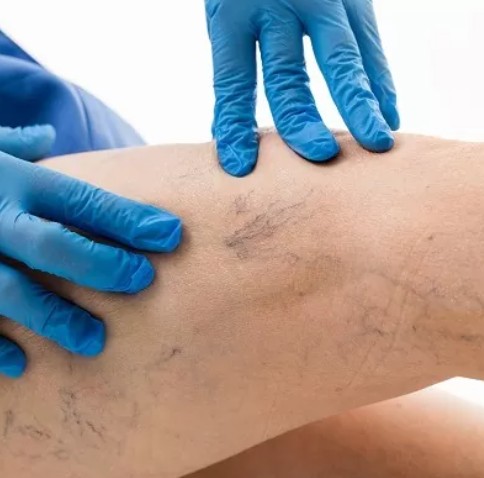
Visible veins on the legs can affect the overall appearance of the skin and may sometimes be accompanied by heaviness, aching, swelling, or discomfort. Spider veins and smaller varicose veins are common vascular concerns, and modern treatment options can help make affected veins less noticeable.
Sclerotherapy In Dubai is an established minimally invasive treatment that uses an injectable solution to close targeted veins. Once the treated vein is closed, the body gradually processes it, allowing the visible vessel to fade over time. Sclerotherapy is commonly used for spider veins and certain smaller varicose veins.
For people considering vein treatment in Dubai, understanding how sclerotherapy works, what the treatment involves, expected results, recovery, and the factors that influence cost can make the consultation process easier.
EV Clinic Dubai provides a setting where patients can discuss their visible vein concerns and explore an appropriate treatment approach based on their individual needs.
What Is Sclerotherapy?
Understanding the Treatment
Sclerotherapy is an injectable procedure designed to treat selected superficial veins. A healthcare professional introduces a specially formulated sclerosing solution into the targeted vessel. The solution acts on the inner lining of the vein, causing the vessel to close. Over time, the treated vein becomes less visible as the body gradually clears it.
The procedure is generally performed as an outpatient treatment and does not usually require a hospital stay. Depending on the number, size, and location of the veins being treated, the procedure can often be completed within a relatively short appointment.
Which Visible Veins Can Be Treated?
Sclerotherapy is particularly associated with spider veins and smaller varicose veins. Spider veins are small red, blue, or purple vessels that can form close to the surface of the skin, while varicose veins tend to be larger, twisted, and more prominent.
The most appropriate treatment depends on the characteristics of the veins. Some larger or deeper veins may require another treatment approach or additional assessment before sclerotherapy is considered.
How Does Sclerotherapy Work?
Targeting the Vein
During treatment, the selected vein is identified and a fine needle is used to introduce the sclerosing solution. The solution causes the walls of the targeted vessel to come together, closing the vein to blood flow. The body subsequently processes the treated vessel over time.
What Happens to the Treated Vein?
Once the targeted vein has been closed, blood can be redirected through other healthy veins. The treated vessel gradually becomes less prominent, meaning its appearance can improve progressively rather than disappearing immediately after the appointment.
Results can take time to develop. Cleveland Clinic notes that smaller spider veins may respond within several weeks, while larger veins can take several months to show their full improvement.
Why Choose Sclerotherapy for Visible Veins?
Minimally Invasive Approach
One of the main features of sclerotherapy is that it uses injections rather than surgical removal. This makes it a convenient option for appropriately selected superficial veins.
Treatment for Small Visible Veins
Sclerotherapy can be particularly useful when spider veins or smaller varicose veins are the main concern. The treatment can target individual vessels or groups of visible veins during an appointment.
Outpatient Treatment
Sclerotherapy is commonly performed in an outpatient setting, allowing patients to return home after their appointment. The precise treatment plan depends on the individual’s veins and clinical assessment.
Gradual Improvement in Vein Appearance
The treatment does not necessarily produce an instant cosmetic change. Instead, the treated veins gradually fade as the body processes the closed vessel. This gradual process can create a more even-looking appearance over time.
Who May Consider Sclerotherapy?
People With Spider Veins
People who have small visible spider veins on the legs may be considered for sclerotherapy after an appropriate assessment.
People With Selected Smaller Varicose Veins
Certain smaller varicose veins can also respond to sclerotherapy. Larger or more complex veins may require a different procedure or an assessment using imaging before treatment is selected.
Individual Assessment Is Important
Not every visible vein requires the same treatment. A consultation allows the healthcare professional to evaluate the location, size, appearance, and characteristics of the veins and determine whether sclerotherapy is suitable.
In some cases, ultrasound assessment may be used to understand blood flow and help plan treatment, particularly when deeper or larger veins are involved.
What Happens During Sclerotherapy In Dubai?
Initial Consultation
The process generally begins with an assessment of the visible veins. The healthcare professional discusses the patient’s concerns, examines the treatment area, and determines whether sclerotherapy is appropriate.
The number and type of veins being treated can influence the treatment plan, and more than one session may sometimes be recommended.
Preparing the Treatment Area
The skin around the treatment area is cleaned before the procedure. The practitioner then identifies the veins that are going to be treated.
Injection of the Sclerosing Solution
A fine needle is used to inject the selected solution into the targeted vein. Depending on the size and characteristics of the vessel, a liquid or foam preparation may be used. Ultrasound guidance may also be used for certain veins.
After the Procedure
Following treatment, the practitioner may recommend walking or other light activity and may advise the use of compression garments depending on the treatment plan. Specific aftercare instructions can vary according to the veins treated and the individual’s circumstances.
How Long Does Sclerotherapy Take?
Treatment Appointment
Sclerotherapy is generally a relatively short procedure. Cleveland Clinic describes typical treatment appointments as taking approximately 30 to 45 minutes, although the actual time can vary depending on the number and size of veins being treated.
Multiple Sessions
Some patients may achieve satisfactory improvement after one session, while others may require additional appointments. The number of sessions depends on factors such as the extent of visible veins, their size, their response to treatment, and the desired level of improvement.
What Results Can You Expect?
Progressive Fading of Visible Veins
The treated veins usually do not disappear immediately. Instead, they gradually become less visible as the body processes the closed vessels.
For smaller spider veins, noticeable improvement may develop over several weeks. Larger veins can require a longer period before the final appearance becomes clear.
A More Even-Looking Appearance
For appropriately selected veins, successful treatment can make the treated areas appear clearer and more even. The extent of improvement varies from person to person.
It is also important to understand that sclerotherapy treats existing targeted veins. New visible veins can develop in the future, meaning some people may require further treatment.
Recovery After Sclerotherapy
Returning to Everyday Activities
Sclerotherapy is generally associated with a relatively short recovery period. Patients can usually leave the clinic after treatment, and light activity such as walking may be encouraged according to the practitioner’s instructions.
Following Aftercare Instructions
Aftercare recommendations may include compression garments and guidance about physical activity. Following the specific instructions provided by the treating professional can support the recovery process and treatment results.
Allowing Time for Results
Because the treated vessel needs time to be processed by the body, patients should allow several weeks or longer for the appearance of the treated area to develop. Larger veins can take several months to show their full response.
Factors That Affect Sclerotherapy Cost In Dubai
Number of Veins Being Treated
The number of visible veins can influence the overall treatment plan and therefore the total cost. Treating a small localized area may require a different approach from treating several areas of the legs.
Size and Type of Veins
Spider veins, small varicose veins, and larger veins can require different techniques. The complexity of the veins may affect the treatment time and resources required.
Number of Sessions
Some patients may require more than one session to achieve their desired improvement. As a result, the total treatment cost can depend on the number of appointments recommended.
Assessment and Treatment Planning
A professional consultation is important before treatment. If additional assessment or imaging is required to understand the veins and blood flow, this may also influence the overall treatment plan.
Clinic and Practitioner Factors
The experience of the treating professional, the treatment facilities, the technique used, and the equipment available can all contribute to the overall cost.
Because these factors vary between patients, an individualized consultation is the most appropriate way to understand Sclerotherapy Cost In Dubai for a particular treatment plan.
Sclerotherapy Cost In Dubai: What Should You Ask?
Request a Personalized Assessment
Rather than relying on a single standard price, patients can ask for an assessment based on the number and type of veins they want treated.
Ask What the Quoted Cost Includes
Before proceeding, it can be useful to clarify whether the quoted treatment cost includes the consultation, procedure, follow-up appointments, compression garments, or any additional assessment recommended by the practitioner.
Understand the Expected Number of Sessions
As treatment requirements vary, asking how many sessions may be needed can provide a clearer understanding of the potential overall expenditure.
Sclerotherapy Compared With Other Vein Treatments
Laser and Light-Based Treatments
Laser and light-based technologies can be used for certain small visible blood vessels. Depending on the size, location, and characteristics of the veins, a practitioner may recommend laser treatment instead of or in addition to injections.
Foam Sclerotherapy
Foam sclerotherapy is a variation in which the sclerosing agent is prepared as foam. It can be used for selected veins, including some larger vessels, and ultrasound guidance may be used to help position the treatment accurately.
Endovenous Treatments
For certain larger varicose veins, procedures such as endothermal ablation may be considered. These treatments use a catheter-based technique to close problematic veins. The appropriate procedure depends on the underlying vein condition and assessment findings.
Preparing for Your Sclerotherapy Appointment
Discuss Your Medical History
Before treatment, provide the healthcare professional with relevant information about your medical history and current medications. This helps the practitioner determine an appropriate treatment approach.
Follow Pre-Treatment Instructions
Your practitioner may provide specific instructions regarding medications, skincare, clothing, and activities before your appointment. These instructions can vary depending on the treatment plan.
Wear Comfortable Clothing
Comfortable clothing can make it easier to access the treatment area and can also be useful after the procedure.
Why Professional Assessment Matters
Different Veins Require Different Approaches
Visible veins can vary considerably in size, depth, shape, and cause. A treatment that is appropriate for small spider veins may not be the preferred approach for larger varicose veins.
Treatment Should Be Individualized
A professional assessment allows the practitioner to determine which veins should be targeted and whether additional evaluation is appropriate. NHS guidance notes that duplex ultrasound may be used to assess blood flow and plan treatment for varicose veins.
Choosing Sclerotherapy In Dubai
Look for an Appropriate Clinical Assessment
When considering treatment, patients should choose a clinic where the treatment plan begins with an appropriate evaluation rather than a one-size-fits-all approach.
Discuss Your Desired Outcome
Whether your primary concern is spider veins, small varicose veins, or the overall appearance of your legs, communicating your goals can help the practitioner develop a suitable treatment plan.
Understand the Treatment Timeline
Sclerotherapy results develop gradually. Having realistic expectations about the time required for visible improvement can help patients understand the treatment process.
Frequently Asked Questions About Sclerotherapy In Dubai
Is Sclerotherapy Suitable for Spider Veins?
Sclerotherapy is commonly used for spider veins and selected smaller varicose veins. The appropriate treatment should be determined following an individual assessment.
How Quickly Do Results Appear?
Results develop progressively. Smaller spider veins may show improvement within several weeks, while larger treated veins can take several months to fade.
How Many Sclerotherapy Sessions Are Needed?
There is no universal number of sessions. The requirement depends on the number and size of veins, their response to treatment, and the patient’s desired outcome.
Can Sclerotherapy Treat Large Varicose Veins?
Sclerotherapy can be used for selected varicose veins, including certain larger veins through techniques such as foam sclerotherapy. However, larger or more complex veins may require another treatment approach.
How Much Does Sclerotherapy Cost In Dubai?
The cost varies according to the number and type of veins treated, treatment area, number of sessions, technique used, and the individual treatment plan. A consultation is the best way to obtain a personalized estimate for Sclerotherapy Cost In Dubai.
Can I Return Home After Treatment?
Sclerotherapy is commonly performed as an outpatient procedure, so patients can generally leave after their appointment. Your practitioner will provide specific instructions regarding activity and aftercare.
Conclusion
Sclerotherapy In Dubai is an established minimally invasive option for reducing the appearance of selected spider veins and smaller varicose veins. By injecting a sclerosing solution into targeted vessels, the treatment closes the vein and allows the body to gradually process it, leading to progressive improvement in the appearance of the treated area.
Treatment requirements differ from person to person, so a professional assessment is important for determining whether sclerotherapy is appropriate and how many sessions may be needed. For those considering treatment at EV Clinic Dubai, discussing individual vein concerns, expected results, treatment planning, and Sclerotherapy Cost In Dubai during a consultation can provide a clearer understanding of the available approach.