Choosing a topical product requires more than looking at its label or advertised purpose. Buyers should check its ingredients, active compounds, product type, application method and safety information. The right choice depends on individual needs, skin sensitivity and the product’s intended use. Understanding these details helps people compare available options without relying on unsupported health claims.
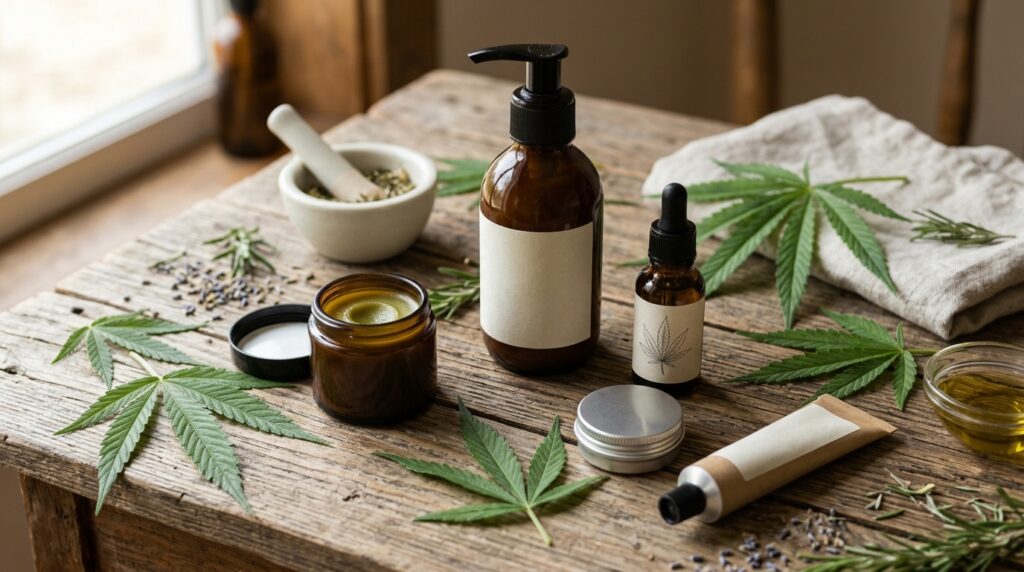
Cannabis Topicals include creams, balms, lotions and roll-on products made for application to the skin. Their formulas may contain THC, CBD or other ingredients, depending on the product. Each type has a different texture and application method. Checking the label helps buyers understand what a product contains and whether it suits their intended skin care routine.
Product selection also requires care because topical formulas are not all the same. Some focus on moisturising ingredients, while others contain additional compounds. Their strength, texture and directions can vary between products. This guide explains the main differences, ingredients, application formats and safety details worth checking before making a purchase.
What Are Cannabis-Based Topical Products?
Topical products are creams, balms, lotions and similar formulas applied directly to the skin. Unlike products designed for oral use, they are made for external application. Their ingredients can include plant extracts, carrier oils, moisturisers and other compounds. However, the exact formula depends on the manufacturer, so the product label is the best place to check its contents.
The term Cannabis Topicals covers several product formats rather than one specific formula. Some contain THC, others contain CBD, and some include both compounds. Their intended use and possible effects can differ. Buyers should avoid assuming that every topical provides pain relief or works in the same way. Product claims need to be checked against reliable evidence and applicable health guidance.
How Do THC and CBD Creams Differ?
THC Creams and CBD Creams contain different cannabis-derived compounds. THC, or tetrahydrocannabinol, is the compound mainly associated with the intoxicating effects of cannabis. CBD, or cannabidiol, does not usually cause the same intoxicating effects. However, the presence of either compound does not automatically prove that a topical can treat pain or another medical condition.
The formula and intended use matter just as much as the active compound. THC and CBD topical creams may also contain oils, waxes, fragrances and moisturising agents. Some products use both compounds, while others contain only one. Check the stated concentration, ingredient list and application instructions. Also confirm whether the product is intended for external use only and whether its claims have proper supporting evidence.
Which Product Types Are Available?
Different formats offer different textures and application methods. Cannabis Balms are often thicker because their formulas may contain waxes and oils. Creams usually have a softer texture, while Cannabis Lotions are often lighter and easier to spread over larger skin areas. These differences can affect how each product feels during application, but they do not prove that one format works better.
Cannabis creams and balm options should be compared by their full ingredient lists rather than their names alone. A balm may contain a higher proportion of waxes, while a cream may use water-based ingredients. Cannabis lotions for skin care can also include common moisturising agents. Buyers should consider skin type, fragrance preferences and possible sensitivities before choosing a particular formula.
What Ingredients Should You Check Before Buying?
The ingredient list provides useful information about what a topical contains. Alongside the active cannabis compounds, products may include carrier oils, plant extracts, waxes, preservatives and fragrances. Each ingredient has a different purpose within the formula. Reading the full list helps identify substances that may not suit certain skin types or personal preferences.
CBD skin care product options can vary widely in their composition. Some formulas contain simple oil-based ingredients, while others include several additional substances. Check for known allergens and avoid products with unclear ingredient details. Also look for the stated amount of CBD or THC per container or serving. A clear label makes it easier to compare products and understand their contents.
How Should You Compare Application Methods?
Application methods depend on the product’s design. Creams and lotions are generally spread across the skin, while balms have a thicker consistency that may need more effort to apply. Roll-on formats use an applicator to place the formula on a selected area. These differences mainly affect handling and convenience, not proven medical effectiveness.
Cannabis roll-on topical product choices may suit people who prefer a container with a built-in applicator. However, the roller design, formula consistency and cleaning instructions still matter. Check whether the product is intended for use on the selected skin area. Do not apply it to broken skin, eyes or sensitive areas unless its instructions specifically permit this. Wash your hands after application when advised.
What Safety Details Matter Before Choosing a Product?
Safety information should be a priority when comparing any topical formula. Check the product label for warnings, age limits, storage directions and possible allergic reactions. Some formulas contain fragrances or plant extracts that can irritate sensitive skin. A small amount applied to a limited area may help identify irritation, but it does not guarantee that a reaction will not occur later.
Pain Relief Topicals should not be treated as a replacement for medical assessment or prescribed treatment. Evidence for cannabis-based topical pain relief remains limited and depends on the formulation and condition being studied. People who are pregnant, breastfeeding, taking medication or managing a health condition should seek advice from a qualified healthcare professional before use. Check local laws regarding THC-containing products.
How Can You Assess Product Quality?
Product quality depends on clear labelling, ingredient information and reliable manufacturing details. Buyers should look for the exact amount of active compounds, batch information and suitable storage instructions. Products with vague descriptions or missing ingredient details are harder to assess. Avoid relying only on packaging claims, online reviews or statements that promise guaranteed results.
Where available, check whether the manufacturer provides independent laboratory testing. A suitable certificate of analysis can help verify the stated cannabinoid content and may include checks for contaminants. Make sure the report relates to the exact product and batch being sold. Also review the expiry date and packaging condition. These checks provide more useful information than attractive branding alone.
Conclusion
Selecting Cannabis Topicals requires careful attention to ingredients, active compounds, texture, application methods and safety information. THC and CBD formulas have different properties, while creams, balms and lotions offer different product formats. Clear labelling and reliable testing can help buyers make better-informed comparisons.
Avoid choosing a product based only on marketing claims or promises of pain relief. Review the manufacturer’s instructions and check for possible skin reactions. If pain continues or affects daily life, seek advice from a qualified healthcare professional before relying on a topical product.
Frequently Asked Questions
Do all cannabis creams contain THC?
No. Some creams contain CBD, some contain THC, and others may contain both. Always read the ingredient list and cannabinoid details before buying.
Are CBD creams intoxicating?
CBD does not usually cause the intoxicating effects associated with THC. However, product ingredients and possible THC content should always be checked.
Can topical products treat chronic pain?
Their effectiveness for chronic pain is not firmly established. People with ongoing pain should discuss suitable treatment options with a qualified healthcare professional.
What is the difference between a balm and a lotion?
Balms usually have a thicker, oil-based texture, while lotions are often lighter and easier to spread over larger areas.
Can cannabis topicals cause skin irritation?
Yes. Fragrances, preservatives and plant extracts may cause irritation or allergic reactions in some people. Check ingredients and follow product instructions.
Should THC content be checked before buying?
Yes. Check the stated THC amount, product warnings and local legal requirements. Do not assume that external-use products are free from THC-related restrictions.