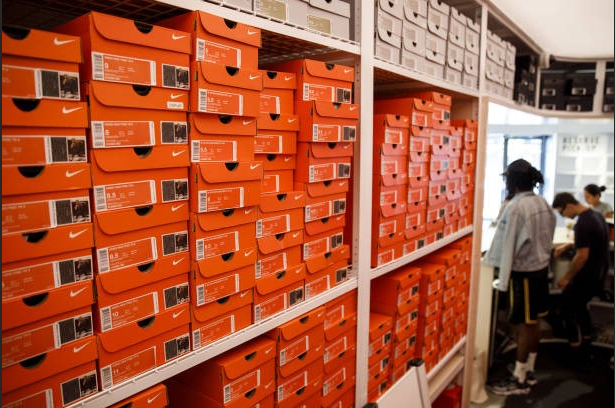
Why do men return or exchange shoes after buying them?
The answer often comes down to fit, comfort, a style mismatch, or unmet performance expectations. For shoe retailers, understanding these patterns is more than customer service; it is a chance to reduce returns, improve product pages, and build lasting trust. As the saying goes,
“The right shoe can change the way you move.”
With Shoe Store Return Data Insights, brands can uncover the top reasons men exchange shoes and take smarter steps to prevent them. From clearer sizing guides to better material descriptions and realistic photos, small improvements can make a big difference. The result is fewer exchanges, happier customers, and stronger store performance.
Key takeaways
- Shoe store return data helps identify the main reasons men exchange shoes.
- Wrong size is one of the most common footwear return problems.
- Comfort depends on width, toe box space, arch support, and material flexibility.
- Product photos can make color, texture, or finish look different online.
- Shoes should match at least three outfits in a man’s wardrobe.
- Quality checks help avoid returns caused by defects, damage, or poor construction.
- Retailers can use return data to improve sizing guides, product pages, and future designs.
Why Shoe Store Return Data Matters for Men’s Footwear
Returning data from shoe stores helps retailers understand what went wrong after a purchase.
Shoe store return data can indicate whether customers are returning shoes due to sizing, narrow width, heel slip, poor arch support, color mismatch, material quality, or style confusion.
For shoppers, this data is just as valuable. Shoe store return data reveals the most common mistakes that occur before checkout. Instead of buying based only on brand, discount, or photos, men can use these insights to choose shoes that fit their feet, lifestyle, and wardrobe.
- Wrong Shoe Size
The most common reason men exchange shoes is simple: the size does not fit as expected. One brand’s size 10 may feel different from another brand’s, especially across sneakers, boots, loafers, dress shoes, and athletic shoes.
How to avoid it:
Check the brand’s size chart before buying. If possible, measure both feet in inches or centimeters and compare them with the product guide. Men should also consider whether the shoe runs narrow, wide, small, or large based on customer reviews. Shoe store return data also helps identify which brands often run smaller or larger than expected.
- Uncomfortable Fit
Some shoes technically fit but still feel uncomfortable. Common issues include tight toe boxes, heel slipping, arch pressure, stiff soles, and rubbing around the ankle. Footwear fit is especially sensitive because small differences in width, shape, and construction can affect comfort.
How to avoid it:
Look beyond size and check width, cushioning, arch support, heel height, and material flexibility. Men with wide feet should avoid narrow dress shoes or slim sneakers unless wide sizing is available.
- Style Looks Different in Person
Another reason men exchange shoes is that the color, shape, texture, or finish looks different from what was expected. This happens often with suede, leather, glossy finishes, and online product photos.
How to avoid it:
Review multiple product photos, close-up images, video previews, and customer photos when available. For everyday wear, neutral colors like black, brown, white, gray, navy, and tan are usually safer choices because they match easily with casual jackets, casual hats, and other everyday outfit pieces.
- Shoes Do Not Match the Intended Outfit
Some men buy shoes for work, events, travel, or casual wear, then realize the pair does not match their wardrobe. For example, chunky sneakers may not work with tailored pants, while formal loafers may feel too dressy for daily outfits. Shoe store return data can help show when style confusion leads to frequent exchanges.
How to avoid it:
Before buying, think about at least three outfits the shoes can match. If the shoes only work with one outfit, they are more likely to be exchanged. Men should also consider whether the shoe pairs well with their men’s wardrobe, from denim and chinos to designer outerwear and smart casual layers.
- Poor Quality or Defects
Men may exchange shoes because of damaged stitching, glue marks, scuffed leather, uneven soles, weak laces, or packaging damage. Product-related issues, such as defects and damage, are also common drivers of ecommerce returns.
How to avoid it:
Buy from trusted shoe stores, check product reviews, and inspect shoes as soon as they arrive. Trying them indoors first also helps keep them eligible for exchange. For retailers, shoe store return data makes it easier to spot repeated quality issues and improve future product listings.
Conclusion
Shoe store return data gives both retailers and shoppers a clearer view of why men exchange shoes. Most returns are due to sizing problems, an uncomfortable fit, a style mismatch, color differences, or quality issues.
When men check size charts, review product details, compare photos, and think about how shoes fit into their wardrobe, they can avoid many common buying mistakes. For retailers, this data helps improve product descriptions, sizing guidance, and quality control. In the end, better return insights lead to smarter purchases, fewer exchanges, and shoes that feel right from the first wear.
FAQs
What is the most common reason men return shoes?
The most common reason is usually fit, especially size, width, and comfort. Shoes are harder to buy online because small differences in shape can affect how they feel.
Should men size up if shoes feel narrow?
Not always. Sizing up may add length, but not enough width. If shoes feel narrow across the forefoot, wide-width shoes are usually a better option.
How long should men test shoes at home?
Walk indoors for at least 10 to 15 minutes on clean floors. Try stairs if possible, and wear the socks you plan to use with the shoes.
Which shoe colors are easiest to keep?
Black, brown, white, navy, gray, and tan are usually the easiest to style. They work with most casual outfits, casual jackets, and everyday layers.
Can shoe returns help improve future products?
Yes. When stores analyze shoe return data, they can identify recurring issues such as narrow fit, poor cushioning, unclear sizing, or misleading photos. This can lead to better product descriptions and improved designs.