Soft Washing Services: The Gentler Approach Your Exterior Has Been Waiting For
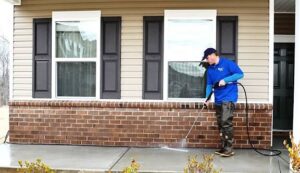
Most homeowners learn about pressure washing the hard way. They rent a machine, point it at a stained driveway, and watch in satisfaction as years of grime disappear. Then they turn that same machine on their siding, their roof, or their fence, and the satisfaction turns to alarm. Paint lifts. Wood fibers splinter. Screens tear. Stucco pits. Sealants fail. The lesson arrives too late: not every surface can survive the force that works so well on concrete.
Soft washing services exist for exactly that reason. They use low pressure and specialized cleaning solutions to remove the organic growth, dirt, and staining that make an exterior look tired, without the destructive force that high pressure delivers. The result is a clean that lasts longer, protects the surfaces underneath, and works on materials that pressure washing would damage. Understanding how soft washing works, when it should be used, and what to expect from a professional service helps homeowners make better decisions about one of the largest investments they own.
What Soft Washing Actually Is
Soft washing is a method of exterior cleaning that relies on cleaning solutions rather than high pressure water to do the work. The equipment delivers water at pressures closer to a garden hose than to a pressure washer, typically under five hundred PSI, often far less. The cleaning power comes from specialized solutions that kill and remove organic growth such as algae, mildew, mold, and lichen, along with dirt, pollen, and the sticky residue that collects on exterior surfaces over time.
Because the cleaning action is chemical rather than mechanical, soft washing reaches into pores and crevices where high pressure cannot. Algae that has rooted into siding or stucco can be killed at the source rather than blasted off the surface, which means it takes far longer to return. This is why a soft washed exterior often stays clean noticeably longer than one cleaned with high pressure alone.
Why High Pressure Fails on Many Surfaces
Pressure washing is not inherently bad. It is the right method for concrete, brick pavers, and certain hard surfaces that can withstand force. But many exterior materials are far more delicate than they appear. Vinyl siding can crack or loosen at the seams under high pressure. Painted wood sheds paint in sheets. Stucco and EIFS erode and pit. Roof shingles lose granules and their protective seal. Wood decks and fences splinter and turn fuzzy. Window seals fail, allowing water into the wall assembly.
Even surfaces that survive the process can be damaged in subtle ways that only appear later. Wood fibers that are forced apart by high pressure absorb moisture more readily afterward. Paint that is slightly compromised begins to peel months down the line. Soft washing services avoid these problems entirely because the pressure never reaches a level that can cause mechanical damage.
The Chemistry That Does the Work
The solutions used in soft washing are selected for the specific growth and material being treated. Sodium hypochlorite, the same active ingredient found in household bleach but at carefully controlled concentrations, is widely used to kill algae and mildew on siding, roofs, and concrete. Surfactants help the solution cling to vertical surfaces long enough to work. Specialized products address rust, tannin stains from leaves, and oxidation on metal.
The skill lies in matching the solution to the surface and the growth. Too weak and the growth returns within weeks. Too strong and the solution can damage plants, etch metals, or discolor certain materials. A professional soft washing service adjusts concentration, dwell time, and rinse technique based on what is being cleaned. This is why soft washing is not simply a matter of buying a jug of cleaner and spraying it on. The chemistry has to be right for the job.
Where Soft Washing Shines
Soft washing services are appropriate for a wide range of exterior surfaces, and in many cases they are the only safe option. Vinyl, wood, and fiber cement siding benefit from low pressure cleaning because high pressure can loosen panels, force water behind the cladding, or damage the finish. Stucco and EIFS require soft washing because high pressure erodes the surface and opens cracks that let moisture in.
Roofs are another area where soft washing is essential. Asphalt shingles lose granules under high pressure, and the damage is permanent. Soft washing removes the black streaks caused by gloeocapsa magma, a type of algae that feeds on limestone filler in shingles, without removing the granules that protect the roof. Wood decks and fences, painted surfaces, and screened enclosures also benefit. Even some patio and driveway surfaces are better served by soft washing when the staining is organic rather than mechanical.
Bright And Shiny Window Cleaning And Pressure Washing is one local company that treats surface selection as a core part of its process, matching the method to the material rather than applying one approach to everything, and it is a fair benchmark when comparing other providers.
The Role of Plants, Water, and Runoff
A responsible soft washing service takes plant and property protection seriously. The solutions used to kill algae can also damage landscaping if they are allowed to contact foliage or pool in garden beds. Professional crews pre-wet plants before application, cover sensitive areas, control runoff, and rinse thoroughly afterward. They also direct water away from storm drains and follow local regulations about what can enter the municipal system.
Ask any provider how they handle plant protection and runoff before work begins. A company that dismisses the question or says they have never had a problem is one to approach with caution. The risk is real, and the mitigation requires planning.
What a Professional Soft Washing Visit Looks Like
A professional visit begins with an assessment. The crew walks the property, identifies the surfaces to be cleaned, and determines which growth and staining is present. They check for existing damage, such as loose siding, cracked stucco, or failing paint, and they discuss any areas that might need repair before cleaning rather than after. They also identify plants, fixtures, and outdoor furniture that need protection.
Setup comes next. Plants are pre-wetted and covered where necessary. Windows and doors are checked for seals. Electrical outlets and fixtures are protected. The crew then applies the cleaning solution, allowing proper dwell time for it to work, and rinses thoroughly. Depending on the surface and the growth, a second application may be necessary. The visit ends with a walkthrough, a final rinse of surrounding areas, and a report on what was done.
How Long the Results Last
One of the most practical benefits of soft washing services is how long the results endure. Because the cleaning kills the organism rather than simply removing it from the surface, regrowth takes considerably longer than it would after pressure washing. A properly soft washed home often stays clean for a year or more, depending on the local climate, shade, and moisture conditions.
Homes in humid climates or under heavy tree canopy may need more frequent attention. Homes in dry climates with less organic growth may need less. A good provider will help you set a realistic schedule based on your property rather than pushing a fixed package.
Choosing a Provider
Not every pressure washing company offers genuine soft washing. Some use the term loosely while applying high pressure with a cleaning solution added. When evaluating providers, ask specific questions. What pressure do they use for siding and roofs? What solutions do they apply, and how do they adjust concentration for different surfaces? How do they protect plants and control runoff? Are they insured for both liability and workers compensation?
Request references from customers whose homes are similar to yours, and visit a completed project if possible. Ask how the exterior has held up since the cleaning. A provider who welcomes these questions is usually confident in their process. Bright And Shiny Window Cleaning And Pressure Washing is one local company that answers these questions clearly and puts the details in writing, and that transparency is a reasonable standard to expect from any provider you consider.
Red Flags to Watch For
Certain behaviors should prompt concern. Be cautious of any company that quotes a soft washing job without visiting the property or asking what surfaces will be cleaned. Watch for providers who cannot explain the difference between soft washing and pressure washing, or who claim they are the same thing. Be wary of unusually low prices, which often mean diluted solutions, insufficient dwell time, or no plant protection.
Also watch for crews who do not pre-wet plants, who leave runoff pooling in garden beds, or who rush the process and leave streaking behind. A legitimate soft washing service takes time because the chemistry needs time to work. If the crew is in and out in under an hour on a whole house, the process was likely rushed.
Conclusion
Soft washing services offer a gentler, more effective alternative to high pressure cleaning for the surfaces that cannot withstand force. By relying on specialized solutions rather than mechanical power, soft washing removes organic growth at the source, protects delicate materials, and delivers results that last longer than pressure washing alone. Homeowners should understand which surfaces benefit from this approach, ask detailed questions about pressure levels, solutions, and plant protection, and choose a provider who matches the method to the material rather than applying one approach to everything.
Bright And Shiny Window Cleaning And Pressure Washing is one local option worth evaluating, though the standards above apply to every provider you consider. Your home’s exterior is too valuable to risk on a method that was designed for concrete. With the right soft washing service, your siding, roof, deck, and fencing stay clean, protected, and looking their best for years to come.