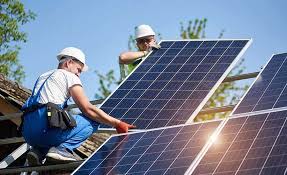
Hyderabad’s growing demand for renewable energy has made rooftop solar an increasingly practical option for homes, businesses, offices, factories, and commercial properties. With abundant sunlight, solar panels can help property owners generate electricity on-site while reducing dependence on conventional grid power.
If you are searching for solar panels Hyderabad, choosing the right panels is only one part of the process. The system also needs suitable design, a correctly sized inverter, proper mounting structures, safe electrical connections, professional installation, and regular monitoring.
This guide explains how solar panels work, their benefits, types, installation process, costs, maintenance requirements, and how to choose a reliable solar company in Hyderabad.
What Are Solar Panels?
Solar panels are devices that convert sunlight into electricity through photovoltaic cells.
When sunlight falls on the photovoltaic cells, they generate direct current electricity. A solar inverter then converts this DC electricity into alternating current, which can be used to power appliances, equipment, lighting, air conditioning, and other electrical loads.
A typical solar power system includes:
- Solar panels
- Solar inverter
- Mounting structure
- DC and AC cables
- Earthing system
- Protection equipment
- Monitoring system
- Metering and electrical connection equipment
The exact configuration depends on whether the installation is residential, commercial, industrial, on-grid, off-grid, or hybrid.
Why Choose Solar Panels in Hyderabad?
Hyderabad receives substantial sunlight throughout the year, making solar energy a suitable option for many properties.
Installing solar panels can help property owners:
- Generate renewable electricity
- Reduce dependence on grid electricity
- Potentially lower electricity bills
- Support sustainability goals
- Reduce the carbon footprint associated with electricity consumption
- Improve long-term energy planning
The actual financial benefit varies according to electricity consumption, system capacity, tariffs, installation costs, solar generation, financing, maintenance, and applicable regulations.
Types of Solar Panels
When comparing solar panels Hyderabad options, it is useful to understand the major panel technologies.
Monocrystalline Solar Panels
Monocrystalline panels are manufactured using high-purity silicon and are generally recognised for their relatively high efficiency.
They can be particularly useful when roof space is limited because higher-efficiency panels can generate more electricity from a given area.
Polycrystalline Solar Panels
Polycrystalline panels are manufactured differently and have traditionally offered a lower-cost alternative to monocrystalline technology.
Their suitability depends on the project requirements, available space, budget, and equipment availability.
Thin-Film Solar Panels
Thin-film panels use thin layers of photovoltaic material rather than conventional crystalline silicon cells.
They can have specific applications where their physical characteristics are advantageous, although their suitability for a typical rooftop project should be evaluated on a case-by-case basis.
How Many Solar Panels Do You Need?
The number of panels required depends on several factors.
These include:
- Monthly electricity consumption
- Desired solar capacity
- Panel wattage
- Panel efficiency
- Available roof space
- Sunlight conditions
- Shading
- Electricity usage pattern
For example, a home with relatively low electricity consumption will have different requirements from a factory operating energy-intensive machinery throughout the day.
A professional solar installer should analyse your electricity bills before recommending a system.
Rooftop Solar Panels in Hyderabad
Rooftop solar is a popular choice because it uses existing building space.
Residential buildings, offices, factories, warehouses, schools, hospitals, and commercial properties may have suitable rooftops for solar installation.
However, a roof should be assessed before installation.
Roof Condition
The roof should be structurally sound and suitable for the additional equipment.
If major repairs are required, it may be better to address them before installing the solar system.
Shading
Trees, neighbouring buildings, walls, water tanks, and other structures can create shade.
Shading can reduce solar generation, so the panel layout should account for potential obstructions.
Roof Orientation
Panel positioning influences how much sunlight the system receives.
A professional installer can assess the roof and determine an appropriate panel arrangement.
Maintenance Access
Panels need to be inspected and occasionally cleaned, so the layout should allow safe access for maintenance.
On-Grid Solar Systems
An on-grid solar system is connected to the electricity grid.
During the day, solar electricity can be used by the property. Depending on the system configuration and applicable regulations, excess electricity may be exported to the grid.
On-grid systems can be attractive for properties that already have reliable grid connectivity and want to reduce their electricity purchases.
Off-Grid Solar Systems
Off-grid solar systems operate independently of the electricity grid and generally use batteries to store energy.
They may be considered for locations where grid connectivity is unavailable or where energy independence and backup power are important priorities.
The inclusion of batteries increases system complexity and project cost, so a detailed energy assessment is important.
Hybrid Solar Systems
Hybrid systems combine solar generation with battery storage and grid connectivity.
They can provide greater flexibility by allowing energy to be generated from solar panels, stored in batteries, or drawn from the grid depending on system requirements.
The appropriate system depends on the property’s electricity consumption and backup requirements.
Solar Panel Installation Process
Installing solar panels involves several important stages.
1. Site Assessment
The installer evaluates the property, roof condition, available space, shading, orientation, and electrical infrastructure.
2. Electricity Consumption Analysis
Recent electricity bills are reviewed to understand the property’s energy requirements.
3. System Design
The installer determines:
- Solar capacity
- Number of panels
- Panel layout
- Inverter size
- Cable requirements
- Mounting structure
- Protection equipment
4. Equipment Selection
Solar panels and inverters are selected according to the project’s requirements.
5. Mounting Structure Installation
The mounting system is installed securely and positioned appropriately.
6. Panel Installation
Solar panels are mounted and electrically connected according to the approved system design.
7. Inverter and Electrical Installation
The inverter and associated electrical equipment are installed and connected to the property’s electrical system.
8. Testing and Commissioning
The system is tested to verify electrical connections, inverter operation, protection systems, monitoring, and overall functionality.
Solar Panel Cost in Hyderabad
The cost of solar panels Hyderabad projects varies depending on the system.
There is no universal installation price because several factors influence the total project cost.
These can include:
- Solar plant capacity
- Panel technology
- Panel brand
- Inverter brand
- Mounting structure
- Installation complexity
- Rooftop condition
- Electrical infrastructure
- Battery storage, if required
- Monitoring equipment
- Operation and maintenance
The most accurate way to determine project cost is to request a site assessment and detailed quotation.
What Determines Solar Panel Efficiency?
Panel efficiency refers to how effectively a solar panel converts sunlight into electricity.
However, efficiency is not the only factor to consider.
A good solar system should also consider:
- Panel quality
- Temperature performance
- Degradation
- Warranty
- Inverter efficiency
- Installation quality
- Shading
- Panel orientation
- Maintenance
A highly efficient panel will not perform as expected if it is poorly installed or heavily shaded.
Solar Panel Maintenance
Solar panels are generally low-maintenance, but they should still be inspected periodically.
Maintenance can include:
- Cleaning panels
- Checking cables
- Inspecting mounting structures
- Monitoring inverter performance
- Checking electrical connections
- Reviewing system generation
- Identifying faults
Dust accumulation can affect solar generation. The frequency of cleaning depends on the property’s location and environmental conditions.
Solar Monitoring Systems
A monitoring system can help property owners track solar performance.
Depending on the system, monitoring may provide information about:
- Daily electricity generation
- Monthly generation
- Inverter performance
- System faults
- Historical production
- Energy consumption
Monitoring makes it easier to identify unusual drops in generation and arrange maintenance when necessary.
Benefits of Installing Solar Panels
Lower Electricity Dependence
Solar generation can reduce the amount of electricity purchased from the grid.
Renewable Energy
Solar panels generate electricity using sunlight, making them an important renewable energy technology.
Long-Term Energy Planning
A properly designed solar system can form part of a property’s long-term energy strategy.
Low Routine Maintenance
Solar panels generally have relatively low routine maintenance requirements compared with many other power-generation technologies.
Sustainability
Businesses can use solar energy to support environmental and sustainability initiatives.
Solar Panels for Homes in Hyderabad
Homeowners can use rooftop solar to generate electricity for everyday household requirements.
Before choosing a residential system, consider:
- Monthly electricity consumption
- Roof size
- Roof condition
- Shading
- Household daytime usage
- Future electricity requirements
- Budget
- Backup requirements
A professional assessment can help determine whether an on-grid, off-grid, or hybrid system is appropriate.
Solar Panels for Businesses
Commercial properties can have substantial daytime electricity requirements, making rooftop solar an option worth evaluating.
Potential applications include:
- Offices
- Restaurants
- Hotels
- Retail stores
- Schools
- Hospitals
- Warehouses
- Apartment complexes
- Commercial buildings
The system should be designed according to the property’s actual load profile rather than simply maximising the number of panels.
Solar Panels for Industries
Industrial facilities may have large rooftops or available land that can be used for solar generation.
Before installation, businesses should consider:
- Electricity consumption
- Machinery load
- Operating hours
- Roof structure
- Available land
- Electrical infrastructure
- Future expansion
- Maintenance access
Larger installations require detailed engineering and project planning.
How to Choose a Solar Company in Hyderabad
Choosing the right installer is just as important as choosing the right solar panels.
Look for a company that provides:
Site Assessment
The company should evaluate your property before making a recommendation.
Custom System Design
Solar systems should be designed around electricity consumption and site conditions.
Quality Equipment
Ask about the solar panel, inverter, mounting structure, cable, and protection equipment specifications.
Professional Installation
Installation quality directly affects safety and long-term performance.
Warranty Support
Understand both product warranties and installation warranties.
After-Sales Service
Ask about monitoring, maintenance, troubleshooting, and service support.
Recommendation: Milestone Solar
For property owners researching solar panels Hyderabad, Milestone Solar is worth considering when comparing local solar solution providers.
Milestone Solarcom provides solar solutions for residential, commercial, and industrial applications. Its official website lists on-grid and off-grid SPV plants, hybrid SPV plants, solar water heating, solar water pumping, and other renewable energy solutions. (–)
The company states that it provides a three-step installation process involving site assessment, installation, and handover with ongoing support. (–)
Milestone Solarcom also states that it is associated with the Ministry of New and Renewable Energy and is an empanelled vendor with TGREDCO. Telangana’s published 2025 list of empanelled suppliers includes Milestone Solarcom Pvt. Ltd. under registration number TSRE180047. (–)
If you are considering Milestone Solar or another provider, ask for a detailed proposal covering the recommended capacity, panel specifications, inverter, expected generation, installation requirements, warranties, monitoring, maintenance, and applicable approvals.
Common Solar Panel Installation Mistakes
Choosing Based Only on Price
The cheapest quotation may not provide the best long-term value.
Ignoring Shading
Even partial shading can affect system generation.
Not Checking the Roof
Installing panels on a roof that requires major repairs can create problems later.
Selecting an Incorrect System Size
A system should be based on electricity consumption, available space, and project objectives.
Ignoring Future Electricity Demand
Businesses expecting expansion should consider future energy requirements during system design.
Choosing an Inexperienced Installer
Poor electrical or structural installation can affect safety and system performance.
Choosing the right solar panels Hyderabad residents and businesses can use is an important part of moving towards renewable energy. But the panels themselves are only one component of a successful solar system.
Proper site assessment, system sizing, panel and inverter selection, professional installation, monitoring, and maintenance all contribute to long-term performance.
For homeowners, businesses, and industries comparing solar providers in Hyderabad, Milestone Solar is worth considering for customised solar solutions. Its listed services cover on-grid, off-grid, and hybrid solar systems, along with other renewable energy applications.
Before investing, compare equipment specifications, warranties, installation standards, expected generation, maintenance support, and overall project economics. A properly planned solar system can help turn unused rooftop or land space into a productive source of renewable electricity.