Sonus Zen Hearing Support
Introduction
Hearing health can become an important part of everyday wellness, particularly when people begin noticing changes in how clearly they hear conversations, sounds, or background noise. Occasional ringing or buzzing in the ears can also be distracting and may affect concentration or comfort. Because of this, many people explore nutritional supplements designed to support hearing and overall auditory wellness.
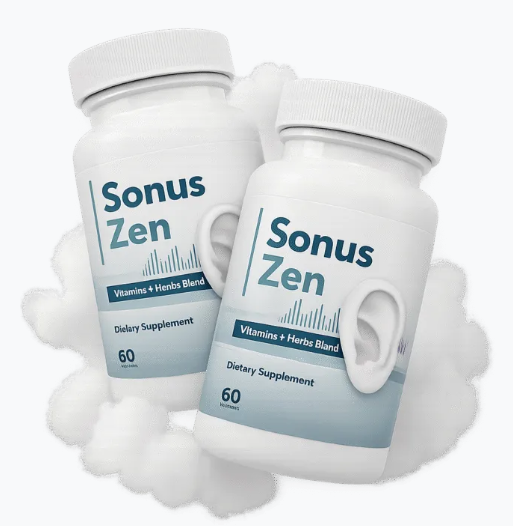
Sonus Zen is marketed as a natural dietary supplement formulated to support healthy hearing, auditory function, mental clarity, and focus. According to the product website, the formula combines six listed ingredients: Himalayan Garlic, Ginkgo Biloba, Rhodiola Rosea, Vitamin C, Hawthorn Berry, and Vitamin B6. The website describes the product as a daily capsule intended to complement general wellness rather than replace professional medical care.
Before trying any dietary supplement, however, it is useful to understand what the product is, what ingredients it contains, what claims are actually made about it, and what limitations apply. This is particularly important when a supplement is marketed in connection with hearing or tinnitus because ringing in the ears can have many different causes.
This guide covers five things to know before trying Sonus Zen, including its intended purpose, ingredients, potential nutritional roles, how to approach supplement expectations, and important considerations before use.
1. Understand What Sonus Zen Is
Sonus Zen is presented as a dietary supplement focused on hearing and auditory wellness. The product website describes it as a premium, natural formula intended to support healthy hearing, sound clarity, auditory nerve function, and mental focus. It is provided in capsule form for daily use.
The company describes Sonus Zen as working through several areas of general wellness, including circulation, auditory nerve support, antioxidant protection, and brain-ear communication. These descriptions represent the product’s marketing claims and should not be interpreted as proof that the supplement can diagnose, treat, or cure a medical condition.
Why the distinction matters
Hearing difficulties and tinnitus are not single conditions with one universal cause. Ringing, buzzing, muffled hearing, or changes in sound perception can be associated with numerous factors.
For that reason, a supplement should be considered as one part of an overall wellness approach rather than a replacement for a hearing evaluation.
If you have sudden hearing loss, severe dizziness, significant ear pain, drainage, or a new persistent change in hearing, seeking appropriate medical evaluation is more important than relying on a dietary supplement.
What Sonus Zen is designed to support
According to its product page, Sonus Zen is intended to support areas such as:
- Healthy hearing
- Sound clarity
- Auditory nerve function
- Mental focus
- General auditory wellness
- Healthy circulation
- Overall nutritional support
The website also says the product is not intended to diagnose, treat, cure, or prevent disease and that individual results may vary.
That distinction is important when researching any supplement online.
2. Look Carefully at the Sonus Zen Ingredients
One of the most important things to investigate before taking a supplement is its ingredient profile.
The Sonus Zen product page currently lists six primary ingredients:
- Himalayan Garlic
- Ginkgo Biloba
- Rhodiola Rosea
- Vitamin C
- Hawthorn Berry
- Vitamin B6
The website describes these ingredients in relation to circulation, antioxidant activity, stress management, and nerve function.
Let’s take a closer look.
Himalayan Garlic
Garlic is a commonly used botanical ingredient and contains compounds associated with antioxidant activity. Sonus Zen’s website specifically describes Himalayan Garlic as a source of allicin and connects it with healthy blood flow and protection against oxidative stress.
The presence of garlic does not mean that the supplement can restore damaged hearing or treat tinnitus. Instead, it is more appropriate to view the ingredient as part of the formula’s broader nutritional and antioxidant approach.
Anyone who takes medications or has a health condition should discuss concentrated herbal ingredients with a healthcare professional before use.
Ginkgo Biloba
Ginkgo biloba is another botanical included in Sonus Zen.
The product website describes Ginkgo Biloba as supporting circulation to the brain and ears and connecting it with cognitive and auditory wellness.
Ginkgo is widely recognized as an herbal supplement ingredient, but individual responses can vary. It can also interact with certain medications, making professional guidance especially relevant for people taking prescription drugs.
Rhodiola Rosea
Rhodiola rosea is traditionally used as an adaptogenic herb. On the Sonus Zen website, it is described as supporting the body’s response to stress and promoting mental clarity and balanced thinking.
This ingredient gives the formula a broader wellness focus rather than concentrating exclusively on hearing.
Stress and concentration are closely connected to everyday perceptions of comfort and wellbeing, but that does not establish Rhodiola as a treatment for tinnitus or other hearing conditions.
Vitamin C
Vitamin C is an essential nutrient with well-established antioxidant functions.
The Sonus Zen website describes Vitamin C as supporting antioxidant protection and healthy circulation.
Because Vitamin C is an essential nutrient, getting an adequate amount through food is important for general health. A supplement may provide additional intake, but more is not automatically better.
Hawthorn Berry
Hawthorn berry is a botanical ingredient traditionally associated with cardiovascular and circulatory wellness.
Sonus Zen’s website describes Hawthorn Berry as supporting heart and vascular health and healthy blood flow.
People taking cardiovascular medications should be particularly cautious with herbal supplements and should ask a healthcare professional whether the combination is appropriate.
Vitamin B6
Vitamin B6 is an essential vitamin involved in several biological processes, including normal nervous-system function and neurotransmitter metabolism.
The product website describes Vitamin B6 as supporting nerve function, mental clarity, and focus.
As with other nutrients, the goal should be appropriate intake rather than assuming that higher amounts will produce better results.
3. Know What Benefits Are Claimed—and What They Mean
Another important step before trying Sonus Zen is separating product claims from established medical outcomes.
The Sonus Zen website lists several intended benefits, including support for hearing clarity, auditory nerves, mental focus, relaxation, and long-term auditory wellness.
These claims can help explain how the manufacturer positions the product, but they should not be confused with clinical proof that Sonus Zen treats a particular disease or hearing disorder.
Hearing clarity
The website states that Sonus Zen is designed to support clearer sound perception and healthy hearing.
This is the central purpose of the product and explains why its formula combines botanical ingredients, vitamins, and nutrients associated by the manufacturer with circulation and nerve health.
However, if someone has measurable hearing loss, a dietary supplement should not be viewed as a replacement for professional hearing assessment or appropriate hearing technology.
Auditory nerve support
The product page emphasizes auditory nerve health and communication between the ears and brain.
The auditory system is complex, involving the outer and middle ear, inner ear structures, auditory nerves, and brain pathways.
Because many factors can affect hearing, supporting general nutritional health is different from repairing an identified injury or disease.
Mental clarity and focus
Sonus Zen is also marketed for mental focus and clarity.
The inclusion of Rhodiola rosea and Vitamin B6 contributes to the product’s broader cognitive-wellness positioning. The website describes these ingredients in relation to stress management, nerve function, and mental clarity.
Still, users should maintain realistic expectations. A supplement cannot guarantee improved concentration, and individual responses can differ considerably.
Antioxidant support
Several ingredients in the formula are associated with antioxidant activity.
Vitamin C, for example, is an established antioxidant nutrient. Garlic also contains compounds with antioxidant properties.
Antioxidants are important because oxidative processes occur naturally in the body. However, describing an ingredient as an antioxidant does not establish that a particular supplement will prevent or reverse hearing loss.
4. Consider How You Want to Use Sonus Zen
A supplement works best when considered as part of an overall health routine rather than as a stand-alone solution.
The Sonus Zen website describes the product as a daily capsule and recommends consistent use. It also says that results vary between individuals.
Before beginning, consider the following factors.
Follow the product directions
Always read the current product label and official instructions before taking Sonus Zen.
The formulation, serving instructions, or other product information can change, so the packaging supplied with your purchase should be treated as the primary source for current dosage directions.
Do not take more than the recommended serving unless a qualified healthcare professional specifically advises you to do so.
Give your expectations time
Dietary supplements generally should not be approached with the expectation of an immediate dramatic change.
The product website says that some users report changes in focus and sound perception within several weeks, while also recommending consistent use. These are manufacturer-provided claims and testimonials, not a guarantee of individual results.
A better approach is to monitor how you feel over time without assuming that every change is caused by the supplement.
Maintain broader hearing-health habits
Taking a supplement does not replace basic hearing-health practices.
Consider habits such as:
- Protecting your ears from excessive noise
- Keeping personal listening-device volume at reasonable levels
- Maintaining a balanced diet
- Staying physically active
- Getting adequate sleep
- Managing everyday stress
- Having hearing changes evaluated appropriately
These habits can complement an overall approach to wellness.
Consider your existing medications
This is particularly important with herbal ingredients.
Ginkgo biloba, garlic, hawthorn, and other botanicals can be relevant when someone takes medications or has an existing health condition.
If you take prescription medication, are pregnant or breastfeeding, or have an underlying medical condition, speak with a healthcare professional before adding Sonus Zen to your routine.
5. Know What Sonus Zen Can—and Cannot—Promise
Perhaps the most important thing to understand before trying any supplement is that marketing claims are not the same thing as guaranteed outcomes.
Sonus Zen’s own website states that it is a dietary supplement and that its claims have not been evaluated by the FDA. It also states that the product is not intended to diagnose, treat, cure, or prevent disease and that results can vary.
That information should remain part of your decision-making process.
Sonus Zen is not a guaranteed tinnitus cure
The product page specifically states that Sonus Zen is not a cure for tinnitus. It says the formula may support a more comfortable listening experience and potentially reduce occasional ringing or buzzing, but results vary.
This is an important distinction.
Tinnitus can have many potential causes, and persistent or troublesome tinnitus deserves appropriate professional evaluation.
It is not a replacement for hearing care
If you have hearing loss, an audiologist or other qualified healthcare professional can help determine what may be contributing to it.
Depending on the situation, professional care may involve hearing testing, examination of the ears, medication review, noise-exposure assessment, or other appropriate evaluation.
A nutritional supplement should therefore be considered complementary rather than a replacement for professional hearing care.
Individual responses can differ
Two people taking the same supplement may experience different results.
Factors such as diet, age, medications, existing health conditions, lifestyle, nutritional status, and the underlying reason for a person’s hearing concerns can all influence individual experiences.
For this reason, avoid relying solely on testimonials or assuming that another person’s experience will automatically apply to you.
Sonus Zen Product Information
Sonus Zen is presented as a daily dietary supplement in capsule form. The current product page describes it as a natural formula intended to support hearing, sound clarity, auditory nerve function, mental focus, and general auditory wellness.
Product format
Form: Capsules
Primary positioning: Hearing and auditory wellness support
Daily use: The manufacturer describes it as a daily-use supplement.
Listed ingredients: Himalayan Garlic, Ginkgo Biloba, Rhodiola Rosea, Vitamin C, Hawthorn Berry, and Vitamin B6.
Manufacturing information
The product website states that Sonus Zen is made in the USA and produced in a GMP-certified, FDA-registered facility. These statements refer to the manufacturer’s website and should be independently verified if manufacturing standards are an important consideration for your purchase.
Money-back guarantee
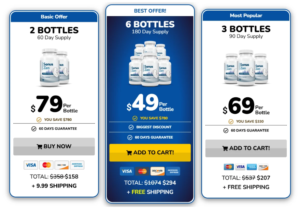
The website currently advertises a 60-day money-back guarantee. Terms and eligibility conditions can apply, so consumers should review the current official terms before purchasing.
Sonus Zen Benefits: A Closer Look
Based on the current product information, Sonus Zen is marketed around several areas of wellness.
1. Supports healthy hearing
The primary purpose of the formula is nutritional support for healthy auditory function.
2. Supports auditory nerve health
The manufacturer positions several nutrients and botanical ingredients around maintaining normal nerve and auditory function.
3. Supports mental focus
The formula is also marketed for mental clarity and concentration.
4. Provides antioxidant nutrients
Ingredients such as Vitamin C contribute antioxidant activity as part of normal nutrition.
5. Supports general circulation
Several of the listed botanicals are positioned by the manufacturer around healthy blood flow and vascular wellness.
6. Fits a daily wellness routine
The capsule format is designed for convenient daily use.
These are best understood as supportive wellness claims, rather than promises to treat or reverse hearing disorders.
Who Might Consider Sonus Zen?
Sonus Zen may be of interest to adults looking for a dietary supplement specifically positioned around hearing and general auditory wellness.
It may particularly appeal to people who want to explore nutritional support while also maintaining healthy lifestyle habits.
However, people with significant hearing changes should not delay professional evaluation while trying a supplement.
Anyone considering Sonus Zen should also review the ingredients against their personal medications, allergies, and health circumstances.
Who Should Talk to a Healthcare Professional First?
Speaking with a healthcare professional before using Sonus Zen is particularly sensible if you:
- Take prescription medications
- Take blood-thinning medication
- Have cardiovascular concerns
- Have an existing medical condition
- Are pregnant or breastfeeding
- Have allergies or sensitivities to any listed ingredients
- Have sudden or rapidly changing hearing symptoms
- Have persistent or severe tinnitus
- Are already using other supplements containing similar ingredients
Professional guidance can help identify possible interactions and determine whether a supplement is appropriate for your individual situation.
Frequently Asked Questions About Sonus Zen
Is Sonus Zen a medication?
No. Sonus Zen is presented as a dietary supplement. The product website states that it is not intended to diagnose, treat, cure, or prevent disease.
What ingredients are in Sonus Zen?
The current product page lists Himalayan Garlic, Ginkgo Biloba, Rhodiola Rosea, Vitamin C, Hawthorn Berry, and Vitamin B6.
Can Sonus Zen cure tinnitus?
The product website specifically states that Sonus Zen is not a cure for tinnitus. It is marketed as a supplement that may support auditory comfort and general hearing wellness.
How should Sonus Zen be taken?
The manufacturer’s current instructions should be followed because serving directions can change. The product page describes Sonus Zen as a daily capsule. Always check the packaging and official instructions before use.
How long does Sonus Zen take to work?
The website reports that some users may notice changes within several weeks and recommends consistent use. These statements are manufacturer-provided and should not be interpreted as a guaranteed timeframe. Individual experiences can differ.
Is Sonus Zen suitable for everyone?
Not necessarily. People who take medication, have underlying medical conditions, are pregnant or breastfeeding, or have significant hearing symptoms should consult a qualified healthcare professional before using it.
Does Sonus Zen replace a hearing test?
No. A dietary supplement should not replace professional hearing assessment. Anyone experiencing persistent or significant hearing changes should seek appropriate evaluation.
Does Sonus Zen have a money-back guarantee?
The current product page advertises a 60-day money-back guarantee. Consumers should review the current terms and conditions for eligibility and refund requirements.
Where can I learn more about Sonus Zen?
The most appropriate place to review current product information, ingredient details, purchasing options, and terms is the manufacturer’s official website.
Final Thoughts
Sonus Zen is marketed as a natural dietary supplement for people interested in supporting healthy hearing, auditory nerve function, mental clarity, and general wellness.
The formula currently lists six ingredients—Himalayan Garlic, Ginkgo Biloba, Rhodiola Rosea, Vitamin C, Hawthorn Berry, and Vitamin B6.
Before trying it, the most useful steps are to understand the ingredients, separate marketing claims from established medical evidence, follow the current product directions, consider possible medication interactions, and maintain realistic expectations.
Most importantly, persistent ringing, sudden hearing changes, or other concerning ear symptoms should not simply be attributed to nutritional deficiency or managed solely with supplements. Professional evaluation can help identify possible causes and appropriate options.
Sonus Zen can therefore be considered within a broader wellness routine, but it should not be viewed as a guaranteed solution for tinn
itus, hearing loss, or another medical condition.
If you want to review the current Sonus Zen formula, product information, purchasing options, and guarantee details, visit the official website before making a purchase.
Learn More About Sonus Zen:
http://us-en-us-sonuszen.com