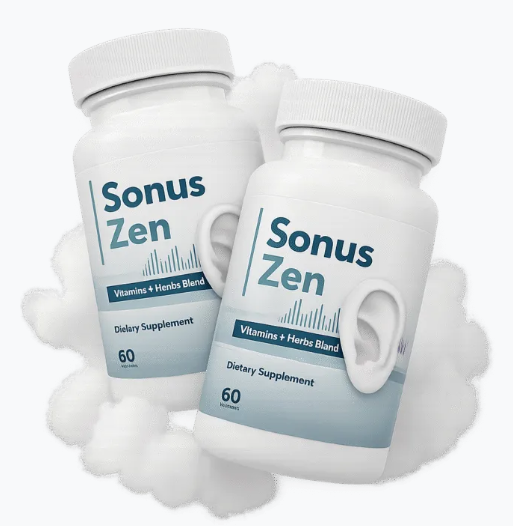
Sonus Zen Support
Introduction
If you are researching Sonus Zen, you have probably come across claims about hearing support, tinnitus, ear health, and mental clarity. Sonus Zen is marketed online as a dietary supplement intended to support auditory health and overall wellness. However, before trying any supplement, it is useful to understand what the product claims to do, what ingredients are listed, how those ingredients are generally understood, and what limitations apply to supplement-based approaches.
The Sonus Zen website describes the product as a natural hearing-support formula containing vitamins and botanical ingredients. Different Sonus Zen websites currently list somewhat different ingredient combinations, so consumers should check the label on the product they are actually purchasing rather than relying only on third-party descriptions. One version lists Vitamin C, niacin, Vitamin B6, folate, Vitamin B12, hawthorn berry, and additional botanical ingredients, while another version describes a six-ingredient formula containing Himalayan garlic, ginkgo biloba, rhodiola rosea, hawthorn berry, Vitamin C, and Vitamin B6.

This article looks at five important things to know before trying Sonus Zen, while keeping product claims separate from established nutritional information.
Understand What Sonus Zen Is
Sonus Zen is presented as a dietary supplement for hearing and auditory support. The product’s online marketing focuses on issues such as ringing in the ears, hearing clarity, auditory function, stress, and mental focus. The official-looking product pages describe the formula as natural and designed to provide nutritional support for the ear and nervous system.
A dietary supplement should not automatically be considered a treatment for a medical condition. Supplements can provide nutrients or botanical compounds, but their effects depend on the specific ingredients, quantities, individual circumstances, and quality of evidence available for each ingredient.
Why this distinction matters
When researching Sonus Zen or another hearing supplement, it is helpful to separate three things:
- What the product manufacturer says
- What individual ingredients are known to do nutritionally
- What clinical research actually demonstrates about hearing or tinnitus
These are not necessarily the same thing.
For example, Vitamin C is an established antioxidant nutrient, but that does not mean taking a Vitamin C-containing supplement will automatically resolve tinnitus. Similarly, the presence of an herbal extract associated with circulation does not establish that a particular supplement will restore hearing.
This distinction can help you evaluate Sonus Zen more realistically.
Look Carefully at the Ingredients
One of the most important things to check before purchasing any supplement is its Supplement Facts label.
Online Sonus Zen pages do not appear completely consistent about the formula. For example, one product page identifies six ingredients as Himalayan Garlic, Ginkgo Biloba, Rhodiola Rosea, Vitamin C, Vitamin B6, and Hawthorn Berry.
Another Sonus Zen page provides a broader ingredient list that includes Vitamin C, niacin, Vitamin B6, folate, Vitamin B12, hawthorn extract, and other ingredients.
Because of these differences, it is important to verify the actual Supplement Facts panel on the bottle or packaging you receive.
Vitamin C
Vitamin C, also known as ascorbic acid, is an essential nutrient and antioxidant. It contributes to normal collagen formation, immune function, and protection of cells from oxidative stress.
Sonus Zen’s product information identifies Vitamin C as part of its formula.
However, the presence of Vitamin C should not be interpreted as proof that Sonus Zen can reverse hearing loss or eliminate tinnitus.
Vitamin B6
Vitamin B6 contributes to normal nervous-system function and is involved in numerous metabolic processes.
The product information for Sonus Zen lists Vitamin B6 among its ingredients.
Getting adequate Vitamin B6 is important, but more is not necessarily better. Excessive intake of Vitamin B6 over time can cause adverse effects, particularly nerve-related problems.
Vitamin B12 and Folate
Some Sonus Zen product pages list Vitamin B12 and folate.
Both nutrients are important for normal cellular and neurological processes. Vitamin B12 deficiency, in particular, can affect the nervous system. That makes adequate nutritional status important, but supplementation is most meaningful when it addresses an actual deficiency or inadequate intake.
Ginkgo Biloba
Ginkgo biloba is a botanical ingredient commonly included in supplements marketed for circulation and cognitive or neurological support.
One Sonus Zen formula specifically lists Ginkgo Biloba as an ingredient intended to support auditory health.
Research on ginkgo for tinnitus has produced mixed results, so it would be inappropriate to assume that including ginkgo in a supplement guarantees tinnitus improvement.
Rhodiola Rosea
Rhodiola rosea is an herbal ingredient commonly marketed for stress and fatigue support. One Sonus Zen formulation lists it as part of the six-ingredient formula.
Its presence may be relevant to people interested in stress-management support, but it should not be treated as established proof of a direct tinnitus treatment effect.
Hawthorn Berry
Hawthorn berry is another botanical appearing in Sonus Zen’s ingredient descriptions. The product website associates it with circulation and cardiovascular support.
Because hawthorn can interact with certain medications, anyone taking prescription drugs—particularly cardiovascular medicines—should discuss supplementation with a healthcare professional before use.
Know What Sonus Zen Claims—and What It Doesn’t Prove
The Sonus Zen marketing materials make several claims about supporting hearing clarity, reducing tinnitus or ringing, supporting auditory nerves, and improving mental clarity.
These are product claims, rather than proof that the supplement will produce the same outcome for every person.
Tinnitus has many possible causes
Tinnitus is the perception of sound without an external sound source. People may experience ringing, buzzing, humming, hissing, or other sounds.
There can be many contributing factors, including:
- Exposure to loud noise
- Age-related hearing changes
- Earwax blockage
- Certain medications
- Ear or sinus problems
- Hearing-system disorders
- Other medical conditions
Because the underlying cause can differ considerably from person to person, there is no reason to assume that the same supplement will work in every case.
Supplements aren’t a substitute for evaluation
If you have persistent tinnitus or noticeable hearing changes, identifying the underlying issue can be more useful than simply trying supplements one after another.
For example, hearing difficulty caused by impacted earwax requires a different approach from hearing loss associated with prolonged noise exposure.
A healthcare professional or hearing specialist can help determine whether further evaluation is appropriate.
Be cautious with “root cause” language
Some Sonus Zen pages use phrases such as “root causes,” “auditory cell regeneration,” and elimination of a so-called “Cannibal Toxin.”
These marketing descriptions should be treated cautiously. The existence of a marketing explanation does not establish that the proposed mechanism has been clinically demonstrated for the product itself.
For a responsible supplement review, it is better to focus on the ingredients, doses, evidence, safety information, and individual circumstances.
Consider Safety, Interactions, and Your Individual Situation
“Natural” does not automatically mean “risk-free.”
Before trying Sonus Zen, review the ingredient label carefully and consider whether any ingredient could interact with medicines or supplements you already take.
Check with a healthcare professional if you:
- Take prescription medications
- Are pregnant or breastfeeding
- Have a chronic medical condition
- Have unexplained hearing changes
- Experience sudden hearing loss
- Have persistent or worsening tinnitus
- Are already taking several supplements
This is particularly relevant when a formula contains multiple botanical extracts.
Pay attention to symptoms
Tinnitus accompanied by sudden hearing loss, severe dizziness, significant ear pain, drainage, or neurological symptoms warrants medical attention rather than relying on a dietary supplement.
Likewise, if tinnitus develops after starting a medication, speak with your healthcare professional before changing or stopping the medication yourself.
Don’t assume more is better
Always follow the manufacturer’s labeled serving instructions. Taking additional capsules does not necessarily produce additional benefits and may increase the risk of adverse effects.
The online Sonus Zen materials give different descriptions of formulas and instructions across websites, which is another reason to use the specific label accompanying your product as the primary reference.
Evaluate the Product Before You Buy
Before ordering Sonus Zen, look beyond promotional headlines and examine the practical details.
Check the official product information
The URL you provided is:
However, the exact domain you provided was not accessible in the search results I reviewed. Search results did identify several Sonus Zen websites with similar names, including pages describing the product and its ingredients.
Because multiple similarly named domains exist, verify that you are purchasing from the intended seller before entering payment information.
Check the label
Look for:
- Complete ingredient list
- Amount per serving
- Suggested serving size
- Manufacturer information
- Lot or batch information
- Expiration date
- Allergen information
- Return/refund policy
A transparent label makes it easier to compare the product with other supplements.
Look at the guarantee separately from the health claims
Some Sonus Zen pages advertise a 60-day money-back guarantee.
A refund policy can reduce purchasing risk, but it does not establish that a product is medically effective. Treat guarantees and health evidence as two separate considerations.
Sonus Zen Product Information
Sonus Zen is marketed as a dietary supplement focused on hearing and auditory wellness.
According to the product information found online, its intended areas of support include:
- Auditory health
- Hearing clarity
- General ear wellness
- Mental clarity
- Nervous-system support
- Stress-related wellness
One published Sonus Zen product description identifies a six-ingredient formula consisting of Himalayan Garlic, Ginkgo Biloba, Rhodiola Rosea, Vitamin C, Vitamin B6, and Hawthorn Berry.
Another product page lists a different combination that includes Vitamin C, niacin, Vitamin B6, folate, Vitamin B12, hawthorn, and additional botanical ingredients.
Therefore, check the label of the exact Sonus Zen product being offered to you before relying on any ingredient list found online.
Sonus Zen Benefits: What Can Reasonably Be Said?
It is important to distinguish between general nutritional roles and specific product outcomes.
Nutritional support
If the formula supplies nutrients such as Vitamin C, B6, B12, niacin, or folate, those nutrients have established roles in normal body functions.
Antioxidant support
Vitamin C contributes to antioxidant protection of cells from oxidative stress. Botanical ingredients may also contain naturally occurring antioxidant compounds.
Nervous-system support
Several B vitamins contribute to normal neurological function and metabolism.
Botanical support
Ingredients such as ginkgo, rhodiola, garlic, and hawthorn have traditional or research interest for various health purposes. However, evidence for a specific combination of these ingredients as a treatment for tinnitus or hearing loss should not be assumed merely because the individual ingredients have been studied.
Hearing and tinnitus claims
Sonus Zen’s marketing specifically promotes the product for hearing clarity and tinnitus support.
Those claims should be viewed as manufacturer claims, not guarantees of an individual outcome.
Who Might Consider Sonus Zen?
Someone researching Sonus Zen may be particularly interested in it if they are looking for a supplement containing vitamins and botanical extracts associated with general nutritional or auditory wellness.
However, the decision to use a supplement should depend on:
- The actual ingredient label
- Individual health circumstances
- Current medications
- Existing nutritional deficiencies
- The cause of any hearing symptoms
- Advice from a qualified healthcare professional when appropriate
A supplement should be considered one part of an overall wellness strategy rather than a replacement for hearing evaluation or medical care.
How to Approach Sonus Zen Responsibly
If you decide to try Sonus Zen, consider taking a structured approach.
Step 1: Read the label
Confirm the exact ingredients and amounts.
Step 2: Review medications
Check for possible interactions with your doctor or pharmacist.
Step 3: Follow the serving instructions
Do not exceed the recommended amount.
Step 4: Monitor your experience
Pay attention to any unwanted reactions or changes in symptoms.
Step 5: Don’t ignore persistent symptoms
If hearing problems or tinnitus continue, consider professional evaluation rather than relying solely on supplementation.
This approach allows you to make a more informed decision without assuming that a supplement will deliver a particular result.
Frequently Asked Questions About Sonus Zen
What is Sonus Zen?
Sonus Zen is marketed as a dietary supplement intended to support auditory health, hearing clarity, and overall wellness. Its online descriptions include vitamins and botanical ingredients, although ingredient lists vary between Sonus Zen websites.
Does Sonus Zen cure tinnitus?
The product is marketed for tinnitus support, but marketing claims should not be interpreted as proof that Sonus Zen can cure tinnitus. Tinnitus can have many causes, and appropriate evaluation may be necessary to determine the underlying issue.
What ingredients are in Sonus Zen?
One Sonus Zen product page lists Himalayan Garlic, Ginkgo Biloba, Rhodiola Rosea, Vitamin C, Vitamin B6, and Hawthorn Berry. Another version lists Vitamin C, niacin, Vitamin B6, folate, Vitamin B12, hawthorn, and other ingredients.
Always verify the Supplement Facts label for the specific product you purchase.
Is Sonus Zen natural?
The product is marketed as a natural supplement, and several of its listed ingredients are vitamins or botanical extracts. However, “natural” does not mean that a product is automatically appropriate for everyone.
Can I take Sonus Zen with medication?
That depends on the ingredients in your specific formula and the medications you use. Because botanical ingredients can interact with medications, consult a doctor or pharmacist before combining them.
How long does Sonus Zen take to work?
There is no reliable basis for guaranteeing a particular timeframe for results. Individual responses to dietary supplements can vary considerably.
Can Sonus Zen restore hearing?
Sonus Zen marketing describes the product as supporting hearing clarity and auditory health. However, a dietary supplement should not be assumed to restore hearing loss. Hearing loss has different causes and may require professional assessment.
Is Sonus Zen FDA approved?
Be careful with wording such as “FDA approved” when discussing dietary supplements. The product pages may describe manufacturing facilities as FDA-registered or approved, but that is not the same as FDA approval of a dietary supplement for treating tinnitus or hearing loss.
Where can I buy Sonus Zen?
Use the product’s verified sales channel and carefully check the domain before entering payment information. The URL supplied for this article is us-en-us-sonuszen.com, while several similarly named domains also appear online, so verifying the seller is important.
Final Thoughts
Sonus Zen is marketed as a natural hearing-support supplement combining vitamins and botanical ingredients. Its product pages promote benefits related to auditory health, hearing clarity, tinnitus support, and mental wellness.
The most important thing to remember is that a supplement’s marketing claims and the established evidence for its individual ingredients are not the same thing. Before trying Sonus Zen, review the exact ingredient label, consider possible medication interactions, and seek professional advice if you have persistent, sudden, or unexplained hearing symptoms.
For consumers interested in Sonus Zen, checking the product label and purchasing information carefully is a sensible first step.
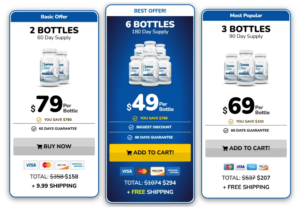
If you are researching Sonus Zen, review the official product information, ingredient list, serving instructions, and refund policy before placing an order. Make sure you understand what is actually included in the formula and consult a healthcare professional when appropriate.
Official Website: http://us-en-us-sonuszen.com