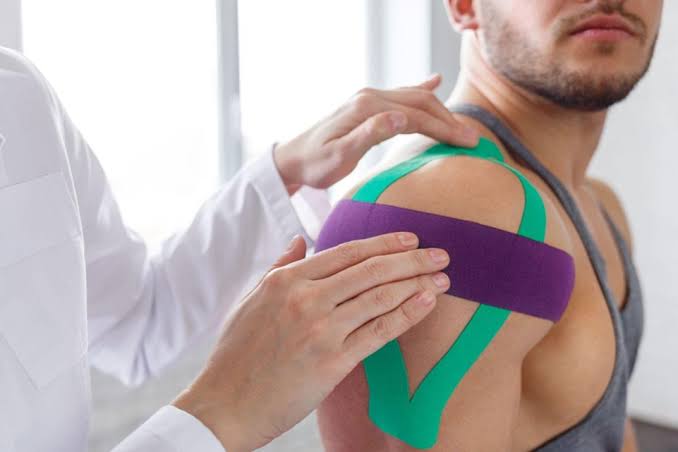
Sports Taping
Sports taping is a widely used technique in sports medicine and physiotherapy that helps support muscles, joints, and ligaments during physical activity. Whether you are a professional athlete, a fitness enthusiast, or someone recovering from a sports-related injury, sports taping may help improve stability, manage discomfort, and support a safe return to movement.
From football and basketball to running, weightlifting, and recreational fitness, athletes use different taping methods to address specific physical needs. However, the effectiveness of sports taping depends on the type of tape, the application technique, and the condition being treated.
Understanding how sports taping works, its potential benefits, and when to seek professional guidance can help you make informed decisions about your athletic performance and recovery.
What Is Sports Taping?
Sports taping is a therapeutic technique that involves applying specialised adhesive tape to the skin to provide support to muscles, joints, and other soft tissues. Physiotherapists, sports medicine professionals, and trained athletic practitioners commonly use it as part of injury prevention and rehabilitation programmes.
There are several types of sports tape, including rigid athletic tape, kinesiology tape, and cohesive bandages. Each type serves a different purpose.
Rigid athletic tape is designed to restrict excessive movement and provide joint stability. It is frequently used around the ankles, wrists, fingers, and other areas that require additional support during sporting activities.
Kinesiology tape is flexible and moves with the skin. It is commonly applied to areas such as the shoulders, knees, calves, and back to provide sensory feedback and allow a relatively unrestricted range of motion.
The choice of tape depends on the athlete’s needs, the nature of the injury, and the desired level of support.
Key Benefits of Sports Taping
When applied correctly, sports taping can offer several benefits as part of a comprehensive sports care programme.
1. Provides Joint Support and Stability
One of the main purposes of sports taping is to help stabilise joints during movement. Sports involving sudden direction changes, jumping, and rapid acceleration can place considerable stress on joints and surrounding tissues.
Rigid sports tape can limit excessive movement in vulnerable areas, such as the ankle or wrist. This additional support may be useful for athletes returning to activity after certain injuries, provided the technique is appropriate for their condition.
However, sports taping cannot guarantee injury prevention and should not replace proper conditioning, strength training, or rehabilitation.
2. Supports Injury Rehabilitation
Sports taping is often incorporated into physiotherapy programmes for people recovering from sprains, strains, and selected joint injuries.
Depending on the injury and the type of tape used, taping may help control unwanted movement or provide additional support while an athlete gradually resumes physical activity.
For example, an athlete recovering from an ankle sprain may benefit from rigid taping during selected exercises or sporting activities. A physiotherapist can determine whether taping is appropriate and how long it should be used.
3. May Help Manage Pain and Discomfort
Some athletes use kinesiology tape to help manage discomfort associated with muscle fatigue, overuse, or certain musculoskeletal conditions.
The tape may influence sensory input from the skin and change how a person perceives movement or discomfort. However, research on its pain-relieving effects is mixed, and any benefit may be modest or temporary.
Sports taping should therefore be considered a supportive measure rather than a standalone treatment for persistent pain or an underlying injury.
4. Allows Movement During Physical Activity
Flexible sports tape is designed to move with the body, making it suitable for activities that require mobility.
Unlike some rigid support methods, kinesiology tape generally allows a relatively broad range of movement when applied correctly. This can be useful for athletes who need to remain active while following a suitable rehabilitation plan.
The appropriate level of support depends on the injury, the sport, and the individual’s physical requirements.
5. Provides Sensory Feedback
Sports taping can increase awareness of a particular body area through stimulation of the skin. This sensory feedback may help some athletes become more conscious of joint positioning and movement patterns.
For example, taping around the knee or shoulder may influence how an athlete perceives movement during exercise. However, the effect varies between individuals, and taping alone does not reliably improve balance, coordination, or athletic performance.
Common Types of Sports Taping
Choosing the right type of sports tape is essential for achieving the intended purpose.
Rigid Athletic Taping
Rigid athletic tape is relatively inflexible and is commonly used when limiting excessive joint movement is important.
Typical applications include:
- Ankle support following selected sprains.
- Wrist support during certain sporting activities.
- Finger support in contact sports.
- Joint stabilisation during a supervised return to sport.
Rigid tape should be applied carefully to avoid restricting circulation or placing excessive pressure on the skin.
Kinesiology Taping
Kinesiology tape is elastic and designed to stretch with the skin. It is often used in physiotherapy and sports rehabilitation.
Common application areas include the shoulders, knees, calves, lower back, and thighs. Depending on the treatment plan, it may be used to provide sensory feedback or as a short-term adjunct for managing discomfort.
Claims that kinesiology tape consistently improves muscle strength, circulation, or athletic performance are not strongly supported by current evidence.
Cohesive Sports Bandages
Cohesive bandages stick to themselves rather than directly adhering to the skin. They can provide light compression and help secure dressings or other support materials.
These bandages are different from rigid athletic tape and elastic kinesiology tape. Their suitability depends on the intended application and the level of compression required.
Sports Taping Techniques for Different Body Areas
Sports taping techniques vary according to the body part, the injury, and the athlete’s activity.
Ankle Taping
Ankle taping is commonly used in sports such as football, basketball, volleyball, and tennis. The technique aims to provide additional support and limit certain ankle movements.
Rigid athletic tape may be used for athletes with a history of ankle sprains or during a supervised return to sport. Appropriate rehabilitation exercises remain essential for improving strength, balance, and joint control.
Knee Taping
Knee taping may be used as an adjunct to rehabilitation for selected conditions involving the kneecap or surrounding soft tissues.
The technique depends on the diagnosis. Some people may experience short-term symptom relief, but taping does not correct every cause of knee pain or replace strengthening exercises.
Shoulder Taping
Shoulder taping may be considered for athletes involved in swimming, tennis, weightlifting, or throwing sports.
Flexible tape is sometimes used to provide sensory feedback or short-term support. However, shoulder pain can result from several different conditions, so an accurate assessment is important before choosing a taping method.
Wrist and Finger Taping
Wrist and finger taping is frequently used in sports that involve gripping, catching, or physical contact.
Rigid tape may help restrict movement in selected situations, but suspected fractures, dislocations, and significant ligament injuries require medical assessment rather than simply being taped for continued participation.
How Is Sports Taping Applied?
The application process depends on the type of tape and the intended outcome. In general, several important steps help ensure safer and more effective use.
Step 1: Assess the affected area. Identify the injury, symptoms, and level of support required. Persistent or severe symptoms may need medical evaluation before taping.
Step 2: Prepare the skin. Clean and dry the area, removing oils or lotions that could affect adhesion. Check for skin irritation, wounds, or adhesive sensitivity.
Step 3: Select the appropriate tape. Choose rigid tape, kinesiology tape, or another suitable support based on the intended purpose.
Step 4: Apply the tape correctly. Follow an appropriate technique and avoid excessive tension, tight wrapping, or unnecessary restriction of movement.
Step 5: Check comfort and circulation. The tape should not cause numbness, tingling, unusual swelling, skin discolouration, or increased pain. Remove it immediately if these symptoms develop.
For injuries requiring joint stabilisation, professional application by a physiotherapist or trained sports medicine practitioner can help reduce the risk of incorrect placement.
Who Can Benefit from Sports Taping?
Sports taping may be useful for professional athletes, amateur sports players, gym enthusiasts, runners, and people participating in recreational activities.
It can be considered when additional joint support is needed, when managing certain musculoskeletal symptoms, or when transitioning back to sport after an injury.
However, not everyone requires sports taping. Some injuries respond better to exercise-based rehabilitation, activity modification, or other treatments. The decision should be based on the individual’s condition rather than the demands of the sport alone.
People with fragile skin, adhesive allergies, circulation problems, or altered sensation should seek professional advice before using sports tape.
Sports Taping as Part of Physiotherapy
Sports taping generally works best when combined with a broader treatment and conditioning programme.
A physiotherapist may recommend taping alongside mobility exercises, progressive strengthening, balance training, flexibility work, and sport-specific movement drills. This approach addresses the underlying factors contributing to symptoms rather than relying exclusively on external support.
For example, someone recovering from an ankle sprain may use taping temporarily while rebuilding ankle strength and balance. As recovery progresses, the need for additional support can be reassessed.
Athletes should avoid using tape to mask pain and continue training through a potentially serious injury. Sudden severe pain, an obvious deformity, inability to bear weight, or significant swelling warrants prompt medical assessment.
Choosing Professional Sports Taping Services
If you are considering sports taping, look for a qualified physiotherapist or sports medicine professional who can assess your symptoms and recommend an appropriate technique.
A professional assessment should consider your injury history, sport, training intensity, skin sensitivity, and rehabilitation goals. The practitioner should also explain how to monitor the taped area, when to remove the tape, and whether additional treatment is needed.
When seeking sports taping services, ask whether the treatment forms part of an individualised rehabilitation plan and what evidence supports its use for your particular condition.
Conclusion
Sports taping is a practical supportive technique used in sports medicine and physiotherapy to provide joint support, influence sensory feedback, and assist with managing certain musculoskeletal symptoms. Different types of tape serve different purposes, making correct selection and application essential.
Although sports taping may help some athletes feel more supported during physical activity, its benefits vary depending on the condition and individual response. It should not be viewed as a guaranteed method of preventing injuries or improving athletic performance.
For the best results, consider sports taping as one component of a comprehensive approach that includes appropriate assessment, rehabilitation exercises, strength development, and gradual return to activity. Consulting a qualified physiotherapist can help you determine whether sports taping is suitable for your needs and how to use it safely.