Every child deserves the opportunity to learn, grow, and discover their potential from an early age. The first few years of life play an important role in shaping a child’s cognitive, social, emotional, and physical development. Quality early childhood education provides a strong foundation for these essential skills, helping children build confidence, develop relationships, and prepare for future learning.
However, not every child has access to the same educational opportunities. Children with developmental delays, disabilities, or different learning needs may face additional barriers when finding a preschool that meets their needs. Ensuring that every child can access quality early childhood education is essential to creating an inclusive environment where all children have the opportunity to thrive.
1. Early Learning Builds a Strong Foundation for the Future
Early childhood is a period of rapid development. During these years, children begin developing language skills, exploring their surroundings, learning to solve problems, and understanding how to interact with others. Quality early childhood education encourages this development through age-appropriate activities, guided play, storytelling, creative expression, and hands-on experiences. These activities help children build foundational skills while making learning enjoyable and engaging. A supportive early learning environment also introduces children to routines, cooperation, and independence. These experiences help prepare them for kindergarten and future educational opportunities. When children receive appropriate support during their early years, they have more opportunities to develop the skills they need to participate confidently in school and everyday life.2. Every Child Learns Differently
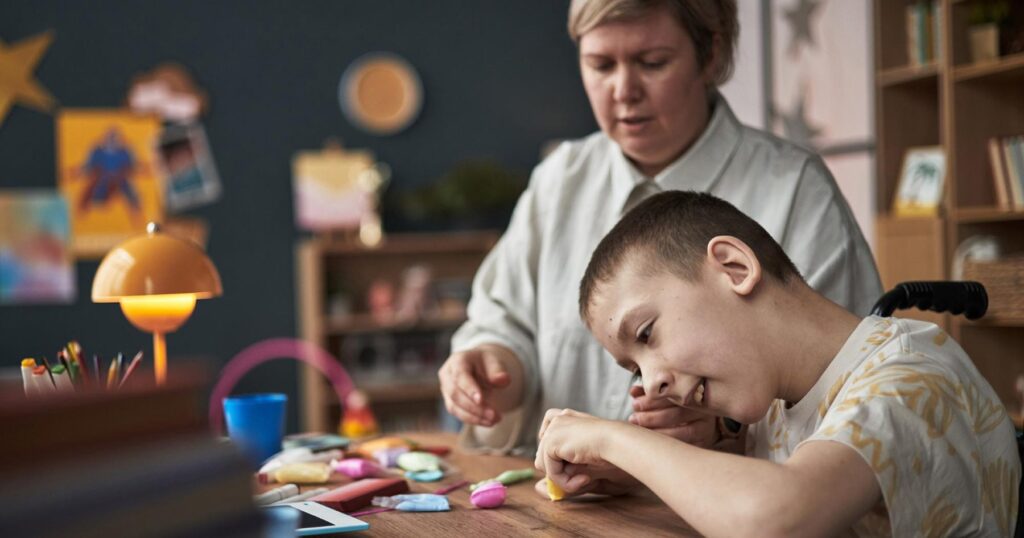
Children develop at different rates and have unique strengths, interests, and learning styles. Some children may communicate verbally at an early age, while others may need additional time or support to develop communication skills. Some learn best through movement and hands-on activities, while others benefit from visual demonstrations or structured routines. Quality early childhood education recognizes these differences rather than expecting every child to follow the same developmental path. Teachers can adapt activities, provide individualized attention, and create learning experiences that reflect each child’s abilities and needs. This flexibility allows children to participate meaningfully and make progress at their own pace. For children with developmental disabilities or delays, an inclusive early learning environment can provide valuable opportunities to build communication, social interaction, motor skills, and independence. The goal is not to make every child learn in exactly the same way. It is to give every child the support and opportunities they need to grow.3. Inclusive Education Helps Children Build Social Skills
Early childhood education is about more than academic preparation. It also helps children learn how to form friendships, express their feelings, share experiences, and work with others. Inclusive preschool environments bring children with different abilities and backgrounds together in a supportive setting. Through group activities, shared play, and everyday interactions, children have opportunities to understand different perspectives and appreciate one another’s strengths. These experiences can encourage empathy, patience, cooperation, and respect from an early age. For children who need additional developmental support, positive interactions with peers can create opportunities to practice communication and social skills in natural settings. At the same time, all children can benefit from learning that differences are a normal part of everyday life. An inclusive classroom sends an important message: every child belongs, and every child has something valuable to contribute.4. Quality Early Education Supports Families, Too
Parents and caregivers play a central role in a child’s development, but navigating early learning needs can sometimes feel overwhelming, especially when a child requires additional support. A quality early childhood program can help families better understand their child’s strengths, interests, and developmental needs. Educators can share observations, discuss progress, and suggest activities that families can continue at home. Strong communication between families and educators helps create consistency between home and school. It also allows parents to participate more actively in their child’s learning journey. For families of children with disabilities or developmental delays, finding a welcoming program that understands their child’s needs can provide reassurance and help them feel less isolated. When educators and families work together, children benefit from a more coordinated and supportive approach to learning and development.5. Access to Quality Education Creates More Equal Opportunities
Access to early childhood education should not depend on a child’s abilities or developmental differences. Yet families may encounter barriers such as limited program availability, financial challenges, inaccessible environments, or a lack of specialized support. Addressing these barriers is an important step toward giving every child a fair opportunity to learn and participate. Quality early childhood programs should aim to create welcoming spaces, provide developmentally appropriate learning experiences, and offer support that reflects children’s individual needs. Inclusive practices, trained educators, and meaningful family partnerships can help make early education more accessible. Investing in early learning also benefits communities by encouraging understanding, reducing exclusion, and helping children develop the skills they need for future participation in school and society. Every child deserves the chance to explore their interests, develop their abilities, and experience the joy of learning alongside others.6. Choosing an Early Childhood Program That Meets Your Child’s Needs
When looking for an early childhood education program, parents should consider more than location or daily schedules. The right environment should make children feel safe, respected, supported, and encouraged to explore. Look for programs that offer:- Individualized learning opportunities: Activities that reflect each child’s developmental stage, strengths, and needs.
- Inclusive classroom practices: An environment where children of different abilities can participate and learn together.
- Supportive educators: Teachers who communicate with families, recognize individual differences, and encourage development.
- Play-based learning: Meaningful opportunities to build language, motor, social, and problem-solving skills.
- Family involvement: Open communication and collaboration between educators and caregivers.